The vibrant hues of azaleas, bursting forth in the spring, are a cherished sight in gardens across the globe. These captivating shrubs, with their delicate petals and graceful forms, bring a touch of enchantment to any landscape. While seemingly effortless in their beauty, achieving a profusion of blooms requires understanding their specific needs.
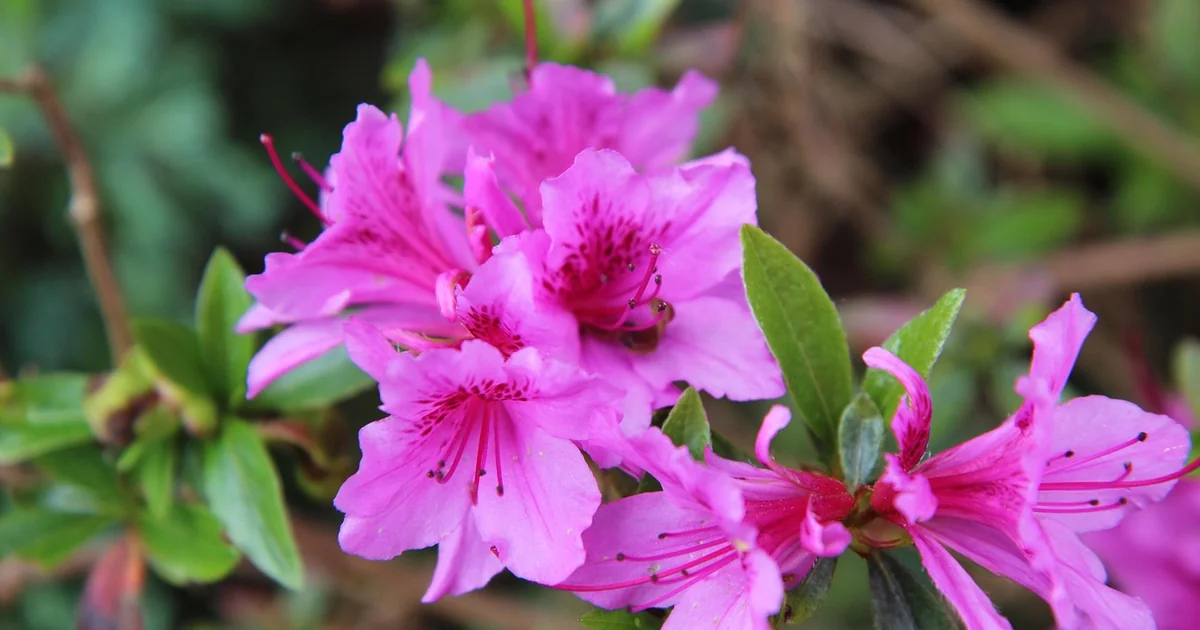
These hot pink azaleas in a botanic garden in Seattle showcase the dramatic impact these shrubs can have in a garden setting. Credit: The Spruce / Adrienne Legault
The Foundation of Success: Understanding Azalea Basics
Azaleas, scientifically known as Rhododendron spp., belong to the Ericaceae family. As shrubs, they offer a range of sizes, from compact varieties reaching just a few feet tall to more substantial specimens that can grow up to 20 feet. Their bloom time is a delightful spectacle, typically occurring in spring, painting gardens with a spectrum of colors including white, pink, purple, red, orange, and yellow. These resilient plants thrive in USDA hardiness zones 6-8, making them adaptable to a wide range of climates. Originating from Asia, Europe, and North America, azaleas have captivated gardeners for centuries with their perennial beauty.
Light: Finding the Perfect Balance
Azaleas thrive in locations that offer partial shade, benefiting from a few hours of morning sun. This gentle exposure prevents the flowers from wilting under the intense heat of a full day. In colder climates, they can tolerate more direct sunlight, while those in warmer regions will appreciate the protection of more shade. While some cultivars can handle more sun, providing dappled light is generally ideal. Grow azaleas care begins with understanding their light preferences to ensure optimal growth and flowering.
Soil: The Key to Acidic Delight
One of the most crucial aspects of grow azaleas care is providing the right soil. These shrubs are acid-loving plants, with an ideal soil pH ranging from 4.5 to 6.0. This preference is why azalea plants in nurseries are often grown in a medium rich in peat moss. Well-drained soil is equally important; azaleas dislike sitting in soggy conditions, which can lead to root rot. Incorporating organic matter, such as pine bark mulch, into the soil improves drainage and provides essential nutrients. Soil testing is a worthwhile investment to ensure your garden’s soil meets the necessary acidity levels.
Water: Consistent Moisture is Essential
While azaleas appreciate consistent moisture, they do not tolerate waterlogged soil. Regular watering is essential, especially during dry spells, but avoid overwatering. Spring rain showers often provide sufficient hydration, but supplemental watering may be necessary in drier periods. The frequency of watering will depend on factors such as rainfall, soil type, and the plant’s size. Ensure the soil remains consistently moist but not soggy. Good air circulation around the plant also helps prevent fungal diseases, which can be exacerbated by excessive moisture.
Temperature and Humidity: Cultivar Considerations
The hardiness of azaleas can vary depending on the specific cultivar. Choosing plants suitable for your local climate is essential for success. While many varieties thrive in zones 6-8, some can tolerate colder temperatures, while others are better suited to warmer regions. Extreme cold can damage buds, hindering flowering, while excessive heat can cause flower burn. Maintaining good air circulation around the plants helps prevent fungal issues, which can be more prevalent in humid conditions. Grow azaleas care involves selecting the right cultivar for your climate and ensuring adequate spacing for airflow.
Fertilizer: Nourishing for Abundant Blooms
Azaleas benefit from fertilization, typically applied in late winter or early spring, before new growth begins. Avoid fertilizing after March, as this can stimulate late-season growth that is vulnerable to frost damage. If your soil is neutral or alkaline, opt for an acidifying fertilizer specifically formulated for azaleas. These fertilizers often contain ingredients like sulfur or iron to lower the soil pH and provide essential nutrients. Alternatively, a balanced 15-15-15 fertilizer can be used, but ensure it’s applied at the recommended rate. Products like Espoma’s Azalea-Tone are specifically formulated to meet the unique nutritional needs of azaleas.
A Spectrum of Beauty: Exploring Different Types of Azaleas
The genus Rhododendron encompasses a vast array of azalea varieties, each with its unique characteristics. Understanding these differences can help you choose the perfect azaleas for your garden.
‘Rosy Lights’
This compact (4 to 6 feet) deciduous shrub is a cold-hardy favorite, blooming in late spring with a delightful display of rosy red hues, often with coral and blush undertones. Part of the ‘Northern Lights’ series, ‘Rosy Lights’ features trusses of flowers – not as round as traditional rhododendrons but less diffused than typical azaleas. It thrives in USDA zones 3 to 7.
You may also enjoy reading: 7 Secrets to Make Perfect English Roast Potatoes.
‘Windbeam’
With a tidy habit reaching 3 to 4 feet, ‘Windbeam’ is a popular cultivar known for its bright pale pink flowers and olive-green leaves that turn bronze in autumn. Hardy in zones 4 to 8, it benefits from shelter from strong winds. This variety offers a neat, compact form suitable for smaller gardens.
‘Golden Lights’
The ‘Northern Lights’ series continues with ‘Golden Lights,’ showcasing striking golden-orange blooms that offer a dramatic splash of color in the spring landscape. This cultivar provides a vibrant contrast to softer hues and adds a unique element to any garden.
‘Golden Oriole’
A relatively fast-growing hybrid, ‘Golden Oriole’ produces orange buds that open into large, showy clusters of golden-yellow flowers in early spring. This variety is known for its vigorous growth and abundant blooms, making it a standout choice for those seeking a bold display.
‘Fragrant Star’
For those who appreciate a delightful fragrance, ‘Fragrant Star’ is an excellent choice. Its pure white flowers, blooming in mid-spring, possess a heady, spicy aroma that enhances the sensory experience of gardening. This small, 3- to 4-foot shrub is a charming addition to any garden.
Beyond the Blooms: Additional Care Tips
In addition to the core requirements, here are some further considerations for successful grow azaleas care:
- Pruning: Azaleas generally do not require heavy pruning. However, light pruning after flowering helps maintain shape and encourages bushier growth. Remove any dead or damaged branches.
- Pest and Disease Control: While generally resistant, azaleas can occasionally be affected by pests like aphids or diseases like root rot. Monitor your plants regularly and address any issues promptly. Good air circulation and proper watering practices can help prevent problems.
- Mulching: Applying a layer of organic mulch, such as pine needles or bark chips, helps retain soil moisture, suppress weeds, and regulate soil temperature.
- Toxicity: It’s important to note that azaleas are toxic to both humans and pets. Ingesting any part of the plant can cause adverse reactions.
From their vibrant spring displays to their unique cultivars and specific care requirements, azaleas offer a rewarding experience for gardeners of all levels. By understanding and implementing these guidelines, you can cultivate a thriving collection of these beautiful shrubs and enjoy their enchanting blooms for years to come.
References
- The Spruce: