Area rugs are essential elements in any home, offering warmth, texture, and a touch of personality to living spaces. They can dramatically change the look and feel of a room, grounding furniture arrangements and adding visual interest. However, these beautiful pieces are also susceptible to everyday wear and tear, accumulating dirt, stains, and fading over time. Fortunately, with a little care and the right techniques, you can breathe new life into your cherished rugs and keep them looking their best. Understanding how to clean area rugs is an investment in both their appearance and their longevity.
The good news is that many rugs can be easily maintained with regular care. However, the best approach depends largely on the rug’s material. Knowing the fiber content and construction is the first step toward effective cleaning. Different materials require different cleaning methods to avoid damage. For instance, a delicate silk rug will need gentler treatment than a durable wool or synthetic one. Ignoring proper care can lead to premature wear, discoloration, and even irreversible damage. Regular maintenance, including vacuuming and occasional deep cleaning, can significantly extend the life of your rug.
1. The Power of Regular Vacuuming: A Foundation for Cleanliness
Just like wall-to-wall carpet, consistent vacuuming is a cornerstone of clean area rugs. This simple yet effective practice removes loose dirt, dust, and debris that can quickly become embedded in the fibers. For large area rugs, treat them similarly to carpet, vacuuming thoroughly on both sides if the rug is reversible. This double-sided approach ensures that grit and grime trapped beneath the surface are also removed, preventing wear and tear. Avoid using the beater bar on shag rugs, as it can tangle the fibers. Instead, turn off the beater bar to prevent damage.
Pet owners know the importance of regular vacuuming even more. Pet hair can stubbornly cling to rug fibers, creating a matted and unsightly appearance. Use a stiff brush attachment on your vacuum cleaner and move it in the direction of the rug’s nap to effectively remove pet hair. This technique lifts the hair from the fibers rather than pushing it deeper in. Aim to vacuum high-traffic areas at least twice a week and the entire rug at least once a week.
2. Rotating for Even Wear and Tear
Uneven foot traffic and sunlight exposure can cause certain areas of your rug to wear out faster than others. To combat this, it’s beneficial to rotate your rugs once or twice a year. This simple action distributes wear more evenly across the entire surface, preventing bald spots and fading. The frequency of rotation depends on the rug’s placement and the amount of traffic it receives. Rugs in high-traffic areas should be rotated more frequently than those in less-used rooms.
When rotating a rug, take the opportunity to check for any signs of damage or wear. This is also a good time to flip the rug over, especially if it’s reversible. By rotating and flipping, you can help prolong the life of your rug and maintain its aesthetic appeal. This small effort can make a noticeable difference in the long run.
3. Shake It Out: A Quick and Easy Refresh
For smaller area rugs, a simple shake can be surprisingly effective in removing dirt and grit. Take the rug outdoors to a well-ventilated area and give it a good beating. This action dislodges embedded dirt and debris that vacuuming might miss. Be mindful of any delicate fringe or embellishments and avoid excessive force. Before shaking, inspect the rug for any loose threads or damage.
If outdoor shaking isn’t feasible, you can still try to remove dirt by shaking the rug vigorously over a trash can or a protected surface. This method is particularly useful for rugs made from natural fibers like coir, sisal, rush, and grass. These materials have an open weave, allowing dirt to sift through to the floor below. Regular shaking helps prevent this from happening and keeps your floors clean. Remember to check local regulations regarding outdoor rug cleaning to ensure you’re adhering to any community guidelines.
4. Tackling Stains: The Right Approach for Different Issues
Spills and stains are inevitable with area rugs, especially in households with children or pets. The key to successful stain removal is to act quickly. The longer a stain sits, the harder it is to remove. Blot the stain immediately with a clean, white cloth or paper towel. Avoid rubbing, as this can spread the stain and damage the fibers. Work from the outside of the stain inward to prevent it from spreading.
The appropriate cleaning solution depends on the type of stain and the rug’s material. For general stains, a mild solution of cool water and gentle dish soap often works well. For more stubborn stains, you may need to use a specialized rug cleaner. Always test the cleaning solution in an inconspicuous area of the rug first to ensure it doesn’t cause discoloration. For natural-fiber rugs, avoid using excessive water, as it can weaken the fibers. If a stain persists, consider professional cleaning.
You may also enjoy reading: 7 Tacky Decor Choices That Instantly Make a Kitchen Look Bad.
5. Deep Cleaning for a Thorough Refresh
Even with regular vacuuming and spot cleaning, area rugs can benefit from occasional deep cleaning. This removes deeply embedded dirt and grime that can’t be removed with surface cleaning. The method of deep cleaning depends on the rug’s material and construction. For wool rugs, professional cleaning is often recommended, as improper cleaning can damage the fibers. However, many wool rugs can be cleaned at home with the right equipment and products.
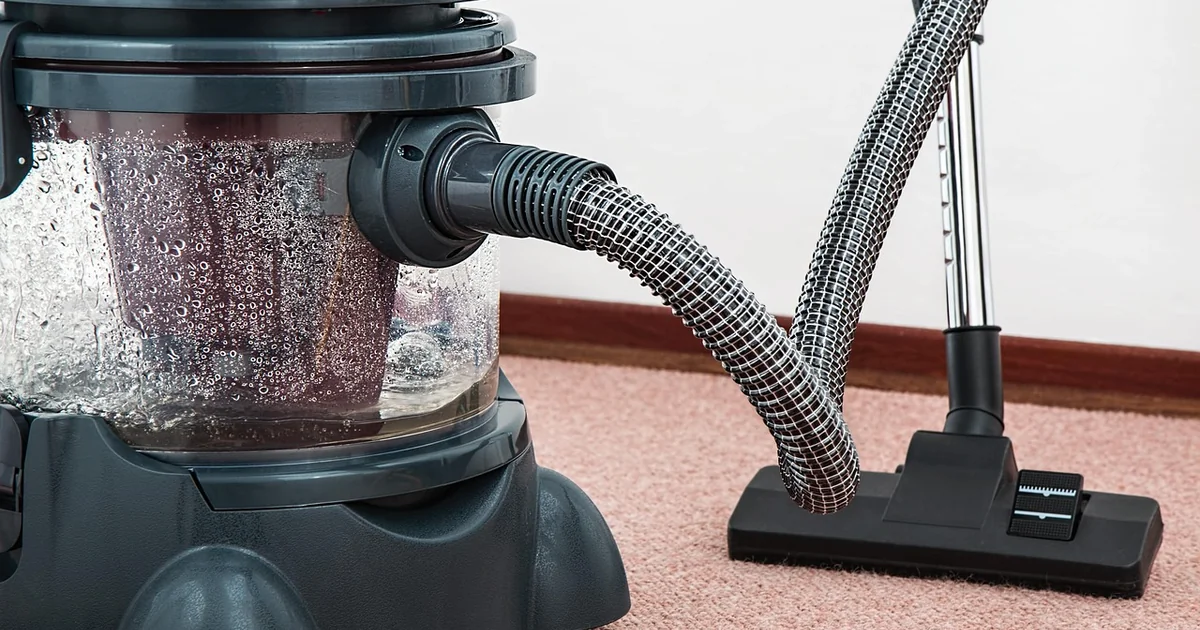
For synthetic rugs, you can use a rug cleaning machine or a carpet cleaner. Follow the manufacturer’s instructions carefully and use a cleaning solution specifically designed for your rug’s material. Avoid using excessive water, as it can damage the rug. For delicate or antique rugs, professional cleaning is always the safest option. Remember, water can weaken the fibers of natural-fiber rugs, so work quickly and dry thoroughly. If a rug consists of sewn squares, consider replacing badly stained squares or opting for a smaller rug of the same material.
6. Special Considerations for Delicate Rugs: Antique and Oriental Rugs
Antique and Persian rugs are prized for their artistry and historical significance. They often require extra care to maintain their beauty and value. Vacuum new Oriental rugs as you would carpets or wool area rugs, using a low-profile vacuum cleaner to avoid damaging the delicate pile. For delicate vintage or antique rugs, place a piece of nylon screen over the rug, secured with books or bricks, and vacuum over the screen. Alternatively, cover the vacuum attachment with nylon mesh, replacing it often as dirt accumulates.
Professional cleaning is highly recommended for antique and Oriental rugs, ideally on a yearly basis. Avoid using harsh chemicals or abrasive cleaners, as these can damage the delicate fibers and dyes. Rotate these rugs regularly to distribute wear evenly and prevent fading from sun exposure. When purchasing antique rugs, gather as much information as possible from the seller about the rug’s fiber content and construction. Ask for specific care tips. These rugs are often found in high-traffic areas like kitchens, so consistent, gentle care is crucial.
7. Natural Fiber Rug Care: Addressing Unique Needs
Rugs crafted from natural fibers like coir, sisal, rush, and grass bring a natural texture and aesthetic to a space. However, their open weave means dirt and debris can easily settle within the fibers. Regular vacuuming is essential for these rugs, and it’s beneficial to occasionally remove them to vacuum beneath. Many of these rugs are reversible, so flipping them each time you vacuum helps ensure even wear. For stains or discolorations on a room-size natural-fiber rug, clean it in place. Protect the floor underneath with a plastic drop cloth and towel.
Use a soft brush dipped in soapy water to gently scrub stains, then rinse with clear water. Blot the area dry and use a portable fan or hair dryer to speed drying. For smaller rugs, clean on a protected table or counter. Water weakens the fibers, so work quickly and dry thoroughly to prolong their life. Be aware that some natural-fiber rugs consist of sewn squares. If a square gets badly stained, consider buying extra squares or a smaller rug of the same material for easy replacement. The open weave also makes these rugs susceptible to damage from excessive moisture, so avoid prolonged exposure to water.
By following these clean area rugs tips and tailoring your approach to the specific material of your rug, you can keep your floors looking fresh and your rugs in excellent condition for years to come. Regular maintenance is key to preserving the beauty and extending the lifespan of these cherished home accessories.