When the frost melts and the sun lingers a bit longer each day, your yard begins a quiet transformation. Beneath the surface, the network of grass blades and roots stirs from its winter dormancy, ready to soak up warmth and moisture. This seasonal awakening isn’t just a passive event; it’s an invitation for you to intervene with a few strategic actions. The window of opportunity is precise, tied to those comfortable days when temperatures hover between 60 and 75 degrees Fahrenheit. This is when cool-season grasses like Kentucky bluegrass, fescue, and ryegrass are most receptive to care, and a handful of focused efforts can redirect the entire season’s growth toward a denser, more resilient carpet of green.
The Core Principle: Why May Matters for Lawn Density
Grass doesn’t simply grow faster in May; it grows differently. The plant’s biology shifts from survival mode to expansion mode. Root systems actively seek new pathways, and the crown—the base from which leaves sprout—begins producing new shoots. This physiological change is why timing your interventions is so critical. Applying support now, while the grass is in this active state, yields a compounding effect. Each task you perform builds upon the next, creating a cycle of improvement rather than a series of isolated chores. The goal isn’t just a green lawn for summer, but a thicker, self-sustaining turf that can better withstand heat, drought, and foot traffic in the months ahead.
Understanding Soil Temperature’s Role
While air temperature is a good general indicator, the true trigger for grass growth is soil warmth. When the soil at root depth consistently reaches about 55 degrees Fahrenheit, metabolic activity surges. This usually occurs in May for many regions, a fact often overlooked by weekend gardeners who only watch the weather forecast. You can gauge this yourself with a simple soil thermometer inserted a few inches into the ground. This biological nuance explains why a lawn might look sluggish even on a warm, sunny day—the roots haven’t warmed up yet. All your essential may lawn care tasks should ideally commence once this underground threshold is met.
1. The Strategic Weed Removal Session
Weeding in May is less about eradication and more about strategic reconnaissance. It’s a task that forces you to get close to the ground, offering a perfect audit of your lawn’s condition. The common mistake is treating weeds as isolated nuisances. In a healthy lawn, they are actually symptoms pointing to underlying issues—thin turf, compacted soil, or nutrient imbalances. Removing them manually, especially after a gentle rain when soil is forgiving, allows you to extract the entire root system of pests like dandelions, which can have taproots extending over a foot deep. Leaving even a fragment of that root often guarantees a quick resurgence.
For deep-rooted offenders, a forked or V-notch hand tool is indispensable. It slides alongside the root and uses leverage to pop it free, whereas flat blades often sever it. For those preferring to avoid kneeling, a stand-up puller with a long handle and gripping claw can be remarkably effective on larger weeds. This process, while tedious, provides invaluable intelligence. As you work, you’ll notice patterns: moss indicates poor drainage and acidity, clusters of certain weeds might signal low nitrogen, and bare spots reveal traffic patterns or disease history. This makes weeding not just a cleaning job, but the first diagnostic step in your seasonal plan.
The Connection Between Weed Presence and Turf Density
A surprising statistic from turf research illustrates this point: a lawn with just 10% bare soil or thin grass cover can experience a weed seed germination rate increase of nearly 70%. Weeds are opportunistic colonists. They don’t invade thick, healthy grass because light cannot easily reach the soil surface to trigger their germination. Therefore, your weeding effort in May should be paired with an immediate follow-up: reseeding any bare patches you discover. This closes the open real estate and directly contributes to your ultimate goal of thicker grass.
2. Relieving Soil Compression with Aeration
Imagine trying to breathe while wearing a tight corset. That’s essentially the state of grass roots in compacted soil. Over time, foot traffic, mower weight, and even natural settling squeeze the soil particles together, eliminating the tiny air pockets roots need for oxygen. Water then pools on the surface or runs off instead of infiltrating, and fertilizer sits atop the ground, unable to reach its target. Aeration is the act of puncturing this tight fabric to restore porosity.
The gold standard method is core aeration, using a machine with hollow tines that extract plugs of soil, about three to four inches deep and half an inch in diameter. These removed cores are your visual proof of success. Spike aerators, which simply poke holes without removing material, can actually worsen compaction by pressing soil sideways around the hole. For smaller lawns, a manual core aerator tool can suffice, though it requires more labor. The ideal time to aerate is when the soil is moderately moist—not soggy, not bone-dry—so the tines can penetrate cleanly. Those extracted soil plugs should be left on the surface to dry and then crumbled with a rake; they contain valuable organic matter and microbes that will filter back into the lawn.
A Note on Aerator Shoes and Other Gadgets
Spiked aerator shoes, often marketed as a convenient solution, are generally ineffective for addressing true compaction. They create shallow, narrow holes that do little to improve water and air movement at the root level. They might offer minor surface benefit in very soft soil, but for the core objective of reversing compaction, they fall short. Investing in a proper core aerator rental or tool is a wise step for long-term lawn health.
3. Fueling Growth with Targeted Fertilization
Fertilizer is the catalyst that turns your other efforts into visible growth. After aeration, the newly opened channels are perfect pathways for nutrients to descend. The key component for grass thickening is nitrogen, which promotes lush, leafy green growth. However, the type of nitrogen you apply matters immensely. Quick-release synthetic fertilizers deliver a sudden, intense surge of growth that can stress the plant and require more frequent mowing. Slow-release formulations, often labeled as “controlled-release” or “organic-based,” provide a steady, gentle feed over several weeks, aligning perfectly with the grass’s natural May growth pace.
Applying fertilizer right after aeration is a classic synergistic practice. The nutrients follow the channels down to the root zone, where they are immediately accessible. Always follow product label rates precisely; over-fertilizing can burn grass, encourage disease, and lead to excessive thatch buildup. A broadcast spreader ensures even coverage, preventing striped patterns of dark and light green. For those seeking a more natural approach, a thin top-dressing of compost can serve as a mild, slow-release fertilizer while also improving soil texture.
The Phosphorus and Potassium Balance
While nitrogen is the star for leaf growth, phosphorus and potassium play vital supporting roles. Phosphorus supports strong root development and seedling establishment—crucial if you’ve reseeded bare spots. Potassium enhances overall plant vigor, disease resistance, and tolerance to environmental stress. Many balanced lawn fertilizers include all three in a ratio suited for spring. A simple soil test, available through many county extension offices, can tell you if your soil is deficient in any particular element, allowing you to choose a fertilizer that addresses your lawn’s specific needs.
4. The First Mowing Adjustments of the Season
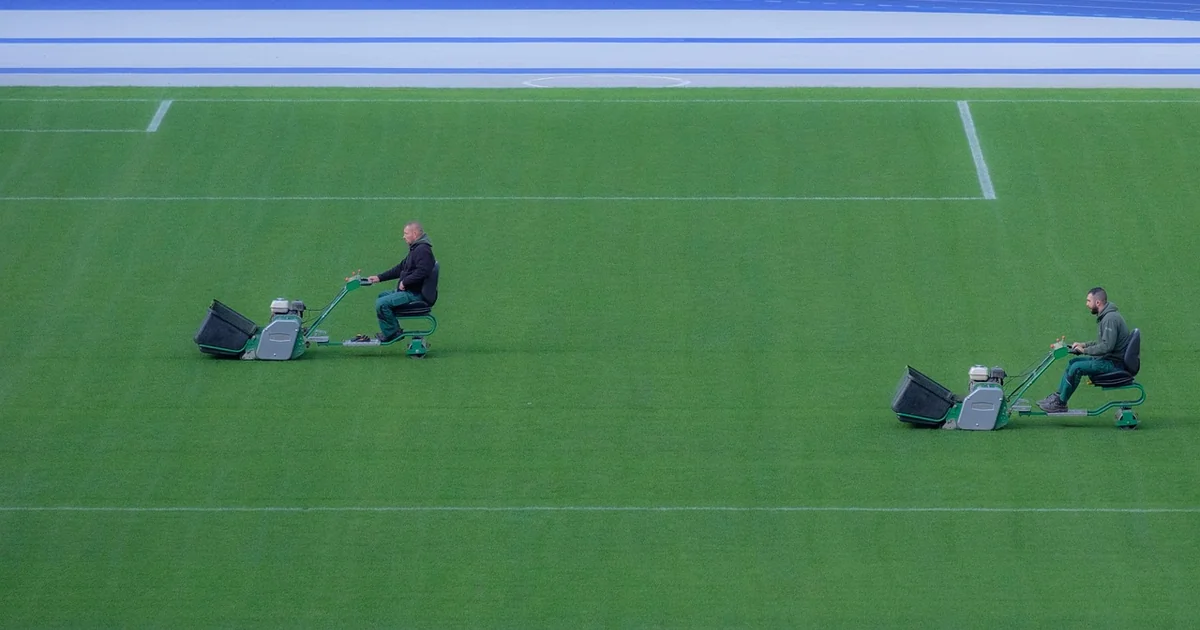
May mowing is not merely about cutting grass; it’s about training it. As growth accelerates, your mowing practices directly influence turf density. The most important rule is to never remove more than one-third of the grass blade height in a single mowing. Cutting too short, often called “scalping,” shocks the plant, reduces its ability to photosynthesize, and exposes soil to weed seeds. For most cool-season grasses, maintaining a height between 2.5 and 3.5 inches during spring is ideal. This taller grass shades the soil, cools the roots, and naturally discourages weeds.
Ensure your mower blades are sharp. Dull blades tear grass rather than cutting it cleanly, leaving frayed tips that turn brown and make the lawn look dull even when it’s healthy. This tearing also increases water loss and vulnerability to disease. Another May-specific tip is to vary your mowing direction. If you always mow in the same pattern, you eventually train the grass blades to lean in that direction, creating a grain that can look striped and thin. Alternating between north-south, east-west, and diagonal patterns encourages upright, dense growth.
Dealing with the First Clippings
The initial mows of May often yield a significant volume of clippings. If the clippings are short and not excessive, they can be left on the lawn as a light nutrient recycling mulch. If they are long and clumpy, they should be collected to avoid smothering the grass underneath. These clippings make excellent additions to compost piles. This seasonal abundance is a clear signal that your lawn’s growth engine is fully engaged.
5. Overseeding to Fill the Gaps
Overseeding is the final, integrative step that directly seeds your ambition for thicker grass. It involves spreading new grass seed over existing turf, specifically targeting thin areas you noted during weeding. The new seedlings will fill in gaps, increase the number of grass plants per square inch, and introduce fresh genetic vitality. For best results, choose a seed mix compatible with your existing grass type. After spreading the seed lightly over the area, a gentle raking can help ensure seed-to-soil contact, which is vital for germination.
Timing this task just after aeration and fertilization creates a perfect nursery environment. The seed falls into the aeration holes or settles into the loosened soil, protected and moist. The slow-release fertilizer then supports both the established grass and the new seedlings without overwhelming them. Keep the seeded areas consistently moist (not soaked) for the next two to three weeks to support germination. This might mean light daily watering if rain is absent.
The Importance of Seed Quality and Diversity
Not all grass seed is equal. Look for seed labeled with a low percentage of “other crop” and “weed seed.” A mix of two or three compatible grass species is often better than a single species, as it provides genetic diversity that can help the lawn resist pests and disease. For instance, a mix of Kentucky bluegrass and perennial ryegrass combines bluegrass’s durability with ryegrass’s quick establishment. This strategic selection amplifies the thickening effect of your overseeding effort.
Sequencing Your May Lawn Care Tasks for Maximum Impact
The order in which you perform these five essential jobs can enhance their effectiveness. A logical and efficient sequence is: first, weed and inspect; second, aerate to open the soil; third, fertilize to feed the roots; fourth, mow appropriately to maintain health; and fifth, overseed thin areas. This progression addresses problems, improves the environment, provides resources, manages growth, and finally, increases plant population. Each step prepares the lawn for the next, creating a cohesive care cycle rather than a list of random chores.
Weather and soil conditions should guide your exact schedule. Aim to aerate and overseed when you expect a period of mild, damp weather—not a hot, dry spell. Fertilize when no heavy rain is forecast for a day or two to prevent runoff. The entire process, from first weed pull to final seed sprinkle, can be comfortably spread over a few weekends in May, aligning your work with the grass’s own natural rhythm of renewal.
You may also enjoy reading: 7 Reasons to Grow Herbs in Pots (vs. Ground).
Common May Lawn Challenges and Solutions
Even with a perfect plan, you might encounter a few seasonal hurdles. One common issue is the appearance of fairy rings or other fungal circles, often visible as dark green rings with brown grass inside. These are typically remnants of last year’s organic debris decomposition and are best addressed by thorough aeration to break up the fungal mat and improve water penetration. Another challenge is rapid thatch buildup if the lawn was over-fertilized last season. A light raking with a thatch rake after mowing can help manage this before it becomes a barrier.
Pests like grubs might also become active. If you notice irregular brown patches that feel spongy underfoot and pull up easily, grubs could be feeding on the roots. A targeted grub control treatment may be necessary, but always confirm their presence by inspecting a square foot of soil near the damaged area. Lastly, if moss was prevalent during your weeding audit, it indicates acidic, compacted, and shaded soil. Addressing these conditions through aeration, possible lime application for acidity, and pruning overhead branches for light will solve the moss problem more permanently than just scraping it off.
Long-Term Benefits of Consistent May Care
Committing to this focused spring routine does more than produce a nice lawn this summer. It builds soil health, increases the lawn’s drought tolerance, and reduces its dependence on chemical interventions over time. A thicker turf is its own best defense, requiring less water, resisting weed invasion, and staying green longer under stress. The effort you invest in these precise may lawn care tasks essentially trains your lawn to become more self-sufficient, turning it from a high-maintenance carpet into a resilient, living landscape.
The satisfaction of walking across a dense, springy lawn in July, knowing it was nurtured through a few well-timed actions in May, is a quiet reward. It connects you to the seasonal cycles of your garden in a practical, tangible way. By understanding what the grass needs during its peak growth window and providing it systematically, you guide your outdoor space toward lasting vitality.
Frequently Asked Questions
Can I skip aeration if my lawn seems fine?
Even lawns that look healthy can have subsurface compaction from routine activity. Aeration is a preventive health measure, like exercise for soil. It ensures future resilience, not just current correction. Annual or biannual aeration is recommended for most lawns.
Is it too late to fertilize if I missed early May?
While early May is optimal, applying slow-release fertilizer anytime through late spring can still benefit growth. Avoid fertilizing during the peak heat of summer, as it can stress the grass.
How do I know if I’m overwatering after overseeding?
The goal is consistent surface moisture. If water pools or the soil becomes muddy, you’re overdoing it. A light, daily sprinkling that moistens the top inch of soil without runoff is sufficient.
What if weeds return quickly after I remove them?
Quick return usually means the root wasn’t fully extracted or the surrounding turf is too thin. Focus on removing the entire weed crown and immediately reseeding the area to thicken the grass competition.
Can I combine all these tasks into one weekend?
It’s possible but physically demanding. Spreading them over two or three weekends allows the lawn to respond to each step sequentially and reduces the risk of overwhelming the grass with too much simultaneous disturbance.