The Best Time to Start Your Rosemary Cuttings
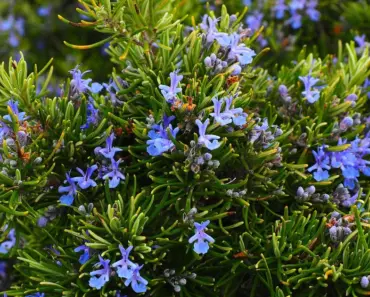
Timing plays a crucial role in successful propagation. The ideal window for taking softwood cuttings is late spring to early summer, just before the plant sets flowers. At this stage, the stems are flexible, green, and full of growth hormones that encourage rapid rooting. If you wait until the plant is in full bloom, the cutting will direct its energy toward flower production rather than root development.
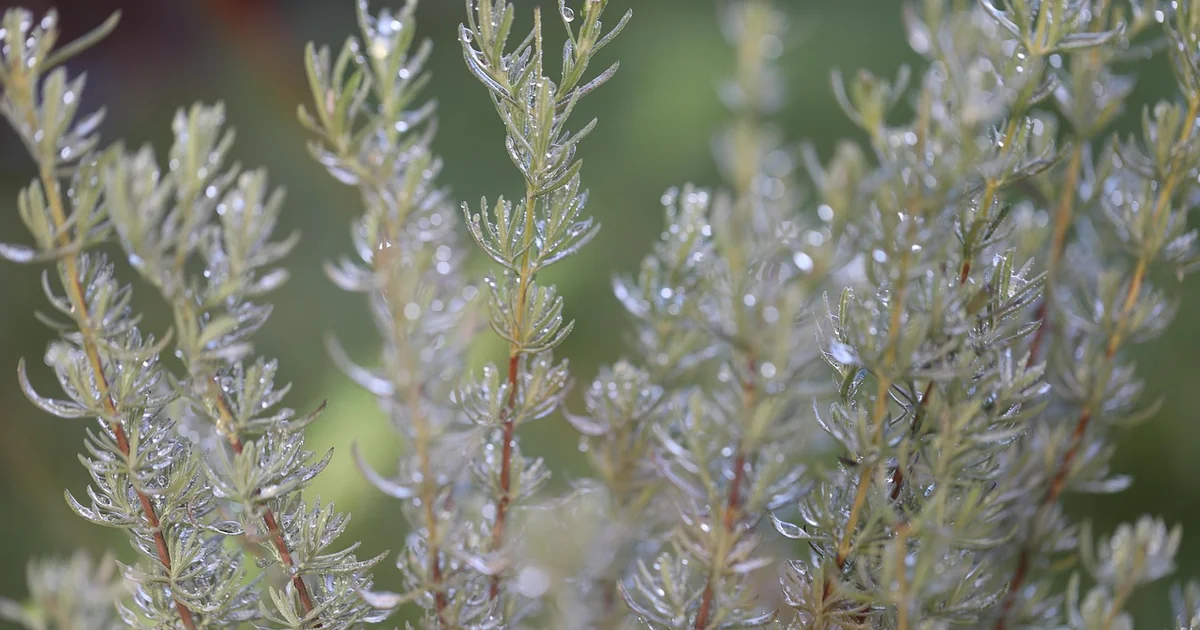
For those living in colder climates, autumn offers a second chance. Take stem cuttings in late autumn before the first hard frost hits. These cuttings can be rooted indoors over the winter months. Just check them carefully for pests before bringing them inside. A single aphid or spider mite can ruin an entire tray of cuttings.
Understanding these timing nuances is the first step toward mastering rosemary propagation methods that work reliably year after year.
Each of the following techniques has its own strengths. Some are faster. Some require less daily attention. Others are better suited for specific climates or seasons. By learning all seven, you can choose the method that fits your lifestyle and garden conditions.
1. Rooting Cuttings in Standard Potting Mix
This is the most traditional approach and offers a seamless transition for the new plant. Because the roots develop directly in soil, there is no transplant shock when you move the cutting to a larger pot or garden bed.
Step-by-step: Snip 3- to 6-inch-long cuttings from healthy, non-flowering stems. Remove the leaves from the lower 2 inches of each stem. Dip the cut end in water, then into a rooting hormone powder containing Indole-3-butyric acid (IBA). Studies suggest that IBA can increase rooting success rates by 30 to 40 percent. Insert the cutting into a small pot filled with moist, well-draining potting mix. Cover the pot with a clear plastic bag or a humidity dome to trap moisture. Place the setup in bright, indirect light. Water whenever the soil surface feels dry to the touch.
Timeframe: Roots typically appear in four to eight weeks. You will know the cutting has rooted when it resists a gentle tug and begins pushing out new green growth.
Common problem: Cuttings turn brown and die. This usually happens when the soil stays too wet or the air is too dry. Ensure your pot has drainage holes and remove the humidity dome for an hour each day to allow air circulation.
2. Rooting Cuttings in Water
Water propagation is a favorite among beginners because it allows you to watch the roots develop in real time. There is something deeply satisfying about seeing tiny white nubs appear along the stem.
Step-by-step: Take cuttings the same way you would for the soil method. Place them in a clean glass jar or vase filled with about 1 inch of water. Make sure no leaves are sitting below the water line. Submerged leaves will rot and foul the water. Set the jar on a windowsill that receives bright, indirect light. Change the water every two to three days to prevent stagnation and algae growth.
Timeframe: Roots usually emerge in two to six weeks. Wait until the roots are at least half an inch long before transplanting to soil.
Common problem: The stem turns mushy and brown. This is rot, often caused by letting the cutting sit in dirty water or exposing it to direct sunlight. Use an opaque or dark-colored jar to block light, which slows algae growth and keeps the water cleaner.
Pro tip: Water-rooted cuttings sometimes struggle when moved to soil because the delicate water roots are easily damaged. To ease the transition, add a teaspoon of soil to the water jar a few days before transplanting. This helps the roots acclimate to a soil environment gradually.
3. Direct Ground Planting
For gardeners in mild climates (USDA zones 8 through 10), sticking a cutting directly into the garden bed is the simplest approach. There is no pot, no humidity dome, and no indoor space required.
Step-by-step: Prepare a small patch of garden soil by mixing in coarse sand or perlite to improve drainage. Take your cuttings and dip them in rooting hormone. Insert each cutting about 2 to 3 inches deep into the soil. Water the area thoroughly. To create a mini greenhouse, cut a clear plastic bottle in half and place it over each cutting. This traps humidity while still letting in light.
Timeframe: Expect roots to develop in six to ten weeks. The outdoor environment is less controlled than indoors, so rooting takes a bit longer.
Common problem: The cutting dries out before roots form. Outdoor conditions can be harsh. The plastic bottle cloche solves this by maintaining a humid microclimate around the cutting. Remove the bottle after you see new leaf growth.
4. Ground Layering
Layering is a low-intervention technique that works beautifully with rosemary sprawling growth habit. The parent plant supplies water and nutrients to the new plant while it develops its own root system. There is no risk of the cutting drying out.
Step-by-step: Select a long, flexible branch that reaches the ground easily. Bend it down to the soil. Using a sharp knife, make a small wound on the underside of the branch where it touches the ground. This wound signals the plant to send roots to that spot. Bury the wounded section under 2 inches of soil, leaving the tip of the branch exposed. Place a rock or a landscape staple on top to hold the branch in place.
Timeframe: This method requires patience. Roots typically form in two to three months. After you see vigorous new growth on the exposed tip, sever the branch from the parent plant and transplant the new rosemary to its permanent location.
Common problem: The buried section rots instead of rooting. This happens if the soil stays waterlogged. Choose a spot with excellent drainage, or mound up sandy soil specifically for the layered branch.
5. Rooting in Horticultural Sand or Perlite
If you struggle with overwatering, this gritty method is your best friend. Sand and perlite provide sharp drainage and high oxygen levels around the stem. Rosemary roots hate sitting in wet, compacted soil. This method virtually eliminates the risk of rot.
Step-by-step: Fill a shallow tray or pot with coarse horticultural sand or medium-grade perlite. Moisten the medium thoroughly, then let the excess water drain away. Insert your rosemary cuttings about 2 inches deep. Place the tray in a bright location out of direct sun. Mist the cuttings daily to keep the humidity high, but only water the sand when it feels completely dry an inch below the surface.
Timeframe: Roots often appear in three to six weeks. Because the medium is so loose, you can gently lift a cutting to check for root development without damaging it.
You may also enjoy reading: 7 Best Garden Stools to Elevate Your Outdoor Space.
Common problem: Roots are extremely fragile when grown in sand or perlite. They do not cling to the medium the way they cling to potting mix. When transplanting, gently rinse the roots free of sand and handle them with care. Plant them in a rich potting mix immediately.
6. Hardwood Cuttings for Winter Propagation
Rosemary propagation does not have to stop when the weather cools. Hardwood cuttings allow you to multiply your plants during the dormant season. This method is perfect for gardeners who want a head start on spring.
Step-by-step: In late autumn after the first few frosts, take 6- to 10-inch cuttings from mature, woody stems. These stems should be firm and brown, not green and flexible. Remove the lower leaves and dip the cut end in rooting hormone. Bundle the cuttings together and place them in a container filled with moist sand or sawdust. Store the container in a cold frame, unheated garage, or basement where temperatures stay between 32 and 50 degrees Fahrenheit.
Timeframe: Roots develop slowly over the winter months. By early spring, the cuttings should have a healthy network of roots and be ready for potting or direct garden planting.
Common problem: The cuttings dry out during storage. Check the sand or sawdust every few weeks. It should feel like a wrung-out sponge. If it dries completely, the cuttings will die. If it stays soaking wet, they will rot.
7. Division and Basal Shoot Separation
While rosemary is not always easy to divide due to its deep taproot, mature plants sometimes produce basal shoots or multiple crowns. These offsets can be separated and planted individually.
Step-by-step: In early spring or late autumn, dig up the entire rosemary plant. Gently shake off the excess soil so you can see the root structure. Look for natural divisions where the plant has formed separate crowns or where basal shoots have emerged from the base. Using a clean, sharp knife, cut through the root ball to separate these sections. Ensure each division has a good cluster of roots and several stems. Replant each section immediately in well-draining soil.
Timeframe: Division gives you an instant mature plant. There is no waiting period for roots to develop because each section already has a root system. The plant may show some transplant shock for a week or two, but it will recover quickly.
Common problem: The divided plant wilts and struggles. This is transplant shock. Trim back about one-third of the foliage to reduce the water demand on the roots. Keep the soil consistently moist for the first two weeks after transplanting.
Frequently Asked Questions About Rosemary Propagation
Can I propagate rosemary from a store-bought sprig?
Yes, but success depends on the freshness of the sprig. Supermarket herbs are often sprayed with a preservative to keep them looking fresh, which can inhibit rooting. Look for organic rosemary sprigs that still have firm stems and vibrant green leaves. Trim the bottom at a 45-degree angle and proceed with your preferred propagation method. Expect a lower success rate compared to cuttings taken from a living garden plant.
Why are my rosemary cuttings turning black and dying?
Blackening stems are almost always a sign of fungal rot. This happens when the cutting stays too wet or the air around it is stagnant. To prevent this, always use sharp, sterilized shears when taking cuttings. Avoid overwatering the rooting medium. If you are using a humidity dome, remove it for 15 to 30 minutes each day to allow fresh air to circulate. Remove any blackened cuttings immediately to prevent the fungus from spreading to healthy ones.
Is rooting hormone necessary for rosemary?
No, it is not strictly necessary. Rosemary can root on its own without any help. However, rooting hormone dramatically improves your chances of success. It contains auxins that stimulate root cell development and protect the cutting from bacterial and fungal infections. If you choose to skip the hormone, expect a lower rooting rate and a longer waiting period. For hardwood cuttings and winter propagation, rooting hormone is highly recommended because the conditions are less favorable for root growth.
How long does it take for rosemary cuttings to root?
The timeline varies depending on the method you choose. Water propagation is the fastest, often showing roots in two to four weeks. Soil propagation takes four to eight weeks. Direct ground planting and layering can take six to twelve weeks or longer. Hardwood cuttings taken in winter may take several months to develop roots. Temperature also plays a role. Cuttings root faster when temperatures stay between 65 and 75 degrees Fahrenheit.
When should I transplant my rooted rosemary cuttings?
Wait until the roots are at least half an inch long before moving water-rooted cuttings to soil. For soil-rooted cuttings, wait until they resist a gentle tug and show new leaf growth. Transplanting too early puts stress on the young plant. Transplanting too late can lead to root binding in small pots. The sweet spot is when the root system is about 2 to 3 inches long. Always harden off indoor-rooted cuttings by exposing them to outdoor conditions gradually over a week before planting them in the garden.
Each of these seven methods offers a unique path to expanding your rosemary collection. By understanding the specific needs of the plant and choosing the technique that best fits your environment, you will enjoy a continuous supply of this fragrant herb for cooking, crafts, and garden beauty.