I keep my own surname, thank you very much, and I can hold my own in most arguments. But when it comes to the garden, I grudgingly defer to my husband. He has spent more than twenty years as a professional gardener, and while it pains me to admit it, his logic is usually sound. That means there are certain popular plants I will never be allowed to buy—unless I start a secret container garden behind the shed. The plants professional gardeners avoid often have good reasons behind them. Here are five that my husband refuses to bring home, and why his reasoning is annoyingly reasonable.

1. Hybrid Roses: Beautiful but Useless for Pollinators
Every time I eye a blousy hybrid tea rose at the garden center, my husband reminds me that many double-flowered varieties are nearly useless for bees. Their densely packed petals make it difficult—sometimes impossible—for insects to access nectar and pollen. He calls them “retired colonel’s front yard” plants, but the real issue is ecological.
Why Professional Gardeners Avoid Them
Heavily bred hybrid roses often sacrifice function for form. A study from the Royal Horticultural Society found that single-flowered roses attract up to five times more pollinators than double-flowered types. The petals create a maze that bees cannot navigate, so they move on. For a gardener who values wildlife, these roses are a waste of space.
A Better Alternative: Rosa Rugosa
Instead, my husband pushes me toward Rosa rugosa, a tough, old-fashioned rose with single blooms. It smells divine, feeds pollinators properly, and requires almost no maintenance. It thrives in zones 3 through 10 and even produces rose hips for birds. No constant emotional support needed—just sun and occasional pruning.
2. Hostas: A Buffet for Slugs and Snails
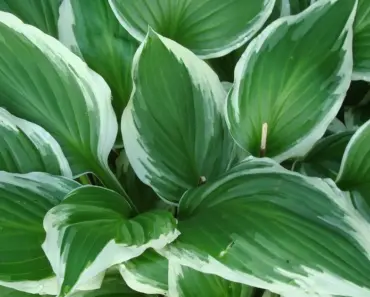
This one is cruel because my husband actually loves hostas. He admires their lush leaves, their shade tolerance, and the texture they bring to a border. But he hates slugs and snails even more. To him, planting hostas is like laying out an all-you-can-eat buffet for every mollusc within a five-mile radius.
Why Professional Gardeners Avoid Them
Hostas are notoriously vulnerable to slug and snail damage. A single damp night can turn a perfect leaf into lacework. In my own garden, I once watched a prized hosta vanish overnight—just stems remained. Professional gardeners know that constant slug control (beer traps, copper tape, pellets) is tedious and often ineffective. The effort rarely matches the reward.
A Better Alternative: Ferns
Thank goodness I can rely on ferns to give me that vibrant green effect instead. Ferns like the Lady in Red offer similar lushness without attracting pests. They thrive in shade, need little care, and slugs ignore them. My husband approves wholeheartedly.
3. Annual Bedding Plants: Wasteful and Resource-Heavy
My husband hates bedding plants with the kind of passion most people reserve for delayed flights or toxic exes. Those trays of brightly colored annuals—petunias, impatiens, marigolds—are destined for containers and borders, but they end dramatically a few months later. He calls them “disposable gardening.”
Why Professional Gardeners Avoid Them
Constantly replacing seasonal bedding is resource-heavy. It relies on plastic trays, peat-based composts, and intensive watering. According to a 2022 report from the Horticultural Trades Association, bedding plants account for about 37% of plastic waste in home gardening. They also require frequent deadheading and fertilizing to keep blooming. For a professional who values sustainability and low maintenance, annuals are a no-go.
A Better Alternative: Perennials Like Coneflowers
Perennials such as coneflowers (Echinacea) return year after year, support pollinators, and need far less water and attention. They provide long-lasting color without the guilt of waste. I still miss the joy of a big overflowing planter of petunias, but my husband’s logic is hard to argue with.
You may also enjoy reading: 5 Things to Know Before Planting Lemongrass Perennials.
4. Tulips: Too Much Effort for a Fleeting Bloom
I think tulips are cheerful blooms that make spring feel properly celebratory. My husband regards them with the suspicion of a medieval villager eyeing a plague cart. Every year I hold an armful of beautiful tulip bulbs, and every year he sighs.
Why Professional Gardeners Avoid Them
Tulips are susceptible to tulip fire, a fungal disease that causes distorted growth and brown spotting. They also require constant lifting and replanting to maintain appearance year after year. In heavy soil, bulbs rot easily. For a professional gardener, the effort of digging, storing, and replanting each autumn rarely matches the three-week bloom period.
A Better Alternative: Unusual Spring Bulbs
There are many spring bulbs that require less fuss. Narcissus (daffodils) naturalize beautifully and resist pests. Fritillaria and Crocus offer early color without the disease risk. My husband suggests planting a mix of species tulips that perennialize better, like Tulipa tarda, which come back reliably without annual lifting.
5. Passionflower: Too Vigorous for Comfort
Passionflowers (Passiflora) are stunning—exotic blooms, fascinating structure, and a tropical vibe. I once brought one home, dreaming of a lush vine covering a trellis. My husband looked at it the way a cat looks at a cucumber.
Why Professional Gardeners Avoid Them
Passionflowers are vigorous growers that can become invasive in mild climates. In the UK, Passiflora caerulea has been known to spread aggressively, sending runners under fences and into neighbors’ gardens. They require constant pruning to keep them in check. My husband has seen too many gardens where passionflower has taken over, smothering other plants and becoming a maintenance nightmare.
A Better Alternative: Admire from a Distance
Perhaps passionflowers are best admired from a neighbor’s garden or a public park. If you must have a climber, consider a less aggressive option like Clematis armandii or a well-behaved honeysuckle. They offer beauty without the risk of a botanical takeover.