You spot a butterfly bush at the garden center, its tall purple flower spikes absolutely covered in monarchs and swallowtails. It looks like a pollinator paradise in a pot. It is hard to resist. But before you bring one home, there are some serious ecological drawbacks that many gardeners overlook. Horticulturists and conservation experts have identified several compelling reasons to leave this popular shrub on the shelf.
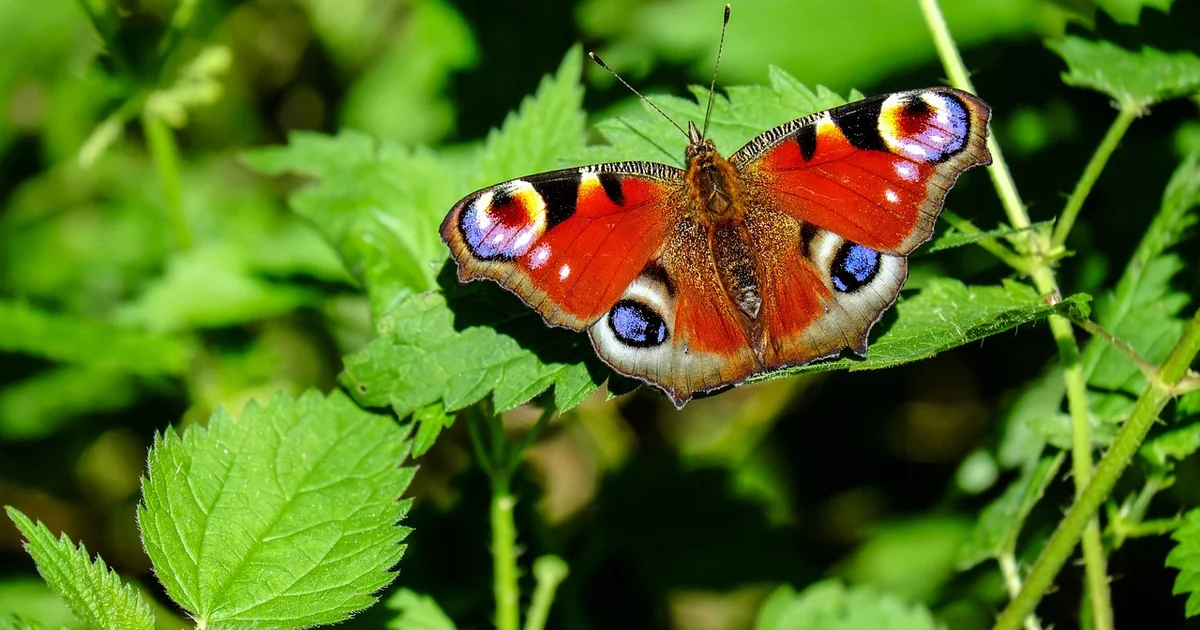
Why the Butterfly Bush Is a Problem in Your Garden
The plant known scientifically as Buddleja davidii is a fast-growing shrub native to China. It was introduced to Europe and North America in the late 1800s as an ornamental. Its appeal is obvious. The fragrant, cone-shaped flowers bloom from summer into fall, and they seem to draw every butterfly in the neighborhood. But that surface-level appeal hides a darker reality. The plant has become a serious ecological threat in many regions.
The most pressing concern is that butterfly bush invasive tendencies have been documented in about 20 U.S. states, parts of Canada, New Zealand, and the United Kingdom. It escapes from gardens and establishes itself in wild areas, where it forms dense thickets. These thickets crowd out native vegetation that local wildlife depends on.
The Spread Is Faster Than You Think
Each flower spike on a butterfly bush can produce over 100,000 tiny seeds. Those seeds are lightweight and travel easily on the wind. They can land miles away from the original plant. Once they germinate, the shrubs grow quickly and produce their own seeds within two years. This rapid life cycle makes them incredibly effective colonizers of disturbed soil, riverbanks, roadsides, and forest edges.
Biodiversity expert Emily Baisden explains that this spread is often underestimated. “States often don’t list a species as invasive until it’s already been shown to damage ecosystems,” she notes. By the time a state adds butterfly bush to its noxious weed list, the plant has already caused measurable harm. This lag in regulation means the butterfly bush invasive problem is likely more widespread than official records suggest.
Butterfly Bush Does Not Support the Full Life Cycle of Pollinators
This is the point that surprises most gardeners. We see butterflies drinking nectar from the flowers, so we assume the plant is helping them. That assumption is only half correct. Adult butterflies do feed on the nectar. But butterflies do not live on nectar alone. They need to reproduce, and their offspring need food too.
Butterfly caterpillars are picky eaters. Most species can only digest the leaves of specific native plants. Monarch caterpillars, for example, will only eat milkweed. Swallowtail caterpillars need plants like parsley, dill, fennel, or native trees in the carrot family. Butterfly bush leaves are not a suitable food source for any native North American caterpillar species.
Spencer Campbell of the Morton Arboretum puts it plainly: “It doesn’t support the full life cycle of pollinators. This is especially true of caterpillars, which need native host plants to grow and develop.” A garden full of butterfly bushes might look busy with adult butterflies, but it is essentially a nursery with no food for the babies. It attracts wildlife without truly supporting it.
Attracting vs. Supporting: A Critical Difference
Josh Nelson of Wild Ones makes an important distinction: “Attracting wildlife is not the same as supporting it.” A butterfly bush is like a fast-food restaurant. It offers a quick burst of energy in the form of nectar, but it provides nothing for the next generation. A native plant garden, by contrast, is a full ecosystem. It offers nectar for adults, leaves for caterpillars, shelter for pupae, and often berries or seeds for birds.
When you plant a butterfly bush, you are essentially creating a dead end for the pollinators you want to help. They come, they feed, but they cannot complete their life cycle there. They must search elsewhere for host plants, which may be scarce if the surrounding landscape has been overtaken by invasive shrubs.
Climate Change Is Expanding the Invasive Range
The problem is not static. It is getting worse. Warmer temperatures and shifting weather patterns are allowing butterfly bush to survive and spread in areas where it previously could not. A plant that was once limited to mild climates can now push further north and into higher elevations.
This means that even if you live in a region where butterfly bush has not been labeled invasive, that status could change. The plant may already be establishing a foothold in nearby wild areas. By choosing not to plant it, you are helping to slow its advance. You are also protecting local ecosystems that have not yet been damaged.
The butterfly bush invasive range is expanding at a rate that concerns ecologists. Seeds that travel on wind or water can colonize new areas before land managers even know they are there. Once established, removing large infestations is difficult and expensive. Prevention is far more effective than control.
What to Do If You Already Have Butterfly Bush
If you already have butterfly bushes growing in your yard, you do not necessarily need to dig them up today. There are ways to manage them responsibly while you plan for replacement. The key is to prevent them from spreading further.
Practical Management Steps
Start by mowing or cutting the grass and weeds around the base of the shrub. This removes seedlings that may have already sprouted. Next, remove spent flower spikes before they go to seed. This is a task you will need to repeat every few weeks during the blooming season. It is tedious, but it dramatically reduces seed production.
If you decide to remove the plant entirely, cut the main stems close to the ground. Apply a concentrated glyphosate solution to the fresh cut stumps within a few minutes of cutting. This prevents regrowth from the root system. Wear gloves and follow the product label instructions carefully. After the plant dies, remove the root ball if possible to prevent suckering.
Native Alternatives That Offer Real Ecological Value
The good news is that there are many beautiful, pollinator-friendly plants that do not carry the risks of butterfly bush. These native species provide nectar for adult butterflies and host leaves for caterpillars. They also support bees, moths, hummingbirds, and other wildlife. Here are some of the best options.
Milkweed
Milkweed is the only plant that monarch butterfly caterpillars can eat. Without it, monarchs cannot reproduce. There are about 100 species of native milkweed in North America alone. Common milkweed, swamp milkweed, and butterfly weed are all popular choices. They produce clusters of pink, orange, or white flowers that are rich in nectar. Milkweed is a true host plant, not just a nectar source.
Buttonbush
Buttonbush is a native shrub that produces unique, spherical white flowers that look like pincushions. It blooms in mid-summer and attracts a wide range of pollinators. According to entomological data, buttonbush supports about 25 different species of moths and butterflies as host plants for their caterpillars. That is a significant ecological contribution compared to butterfly bush, which supports zero native caterpillar species.
You may also enjoy reading: The Spruce’s Top 7 Rain Gauges We Tested.
Joe Pye Weed
Joe Pye weed is a tall, hardy perennial that produces large, domed clusters of pinkish-purple flowers. It blooms from late summer into fall, providing nectar when many other plants have finished flowering. It attracts butterflies, bees, and even hummingbirds. It grows well in moist soil and full sun, making it a versatile addition to many garden settings.
New Jersey Tea
This drought-tolerant native shrub grows to about five feet tall. It produces fluffy, white flower clusters that are highly attractive to bees and butterflies. New Jersey tea is also a host plant for several butterfly species, including the spring azure and the mottled duskywing. It thrives in dry, rocky soil and full sun, making it an excellent low-maintenance choice.
Coastal Sweet Pepperbush
Also known as summersweet, this native shrub produces fragrant white or pink flower spikes in mid to late summer. It grows well in moist, acidic soil and tolerates partial shade. The flowers are rich in nectar and attract bees, butterflies, and hummingbirds. It also provides seed capsules that birds eat in the fall and winter.
Blazing Star
Blazing star, or Liatris, is a perennial that produces tall spikes of purple flowers. It blooms from mid-summer to fall and is a favorite of monarchs and other butterflies. The flowers open from the top down, providing a long bloom period. Blazing star is also a host plant for several moth species. It grows well in full sun and well-drained soil.
Planting With Intention Creates Healthier Habitats
The decision to avoid butterfly bush is not about depriving your garden of beauty. It is about choosing plants that provide real, lasting benefits to the ecosystem. A garden filled with native plants becomes a sanctuary where pollinators can feed, reproduce, and thrive. It becomes a place where the cycle of life continues, not a dead end.
Josh Nelson sums it up well: “Planting with intention is the best way to foster healthier and more resilient habitats for pollinators and other wildlife.” That intention starts with understanding the difference between a plant that looks good and a plant that does good. Butterfly bush looks good. Native plants do good.
The next time you see a butterfly bush at the nursery, remember what it cannot do. It cannot feed a caterpillar. It cannot host a moth. It cannot support the next generation of pollinators. But the native alternatives can. And they will reward you with just as much beauty, fragrance, and butterfly activity, without the ecological cost.
Frequently Asked Questions
Is butterfly bush illegal to plant anywhere?
Some states and regions have restrictions on selling or planting butterfly bush. Oregon, for example, has banned the sale of certain Buddleja varieties. Check with your local agricultural extension office or department of natural resources to see if there are regulations in your area.
Can butterfly bush be grown in a container to prevent spread?
Growing butterfly bush in a container can reduce seed dispersal, but it does not eliminate the risk entirely. Seeds can still blow away from the flowers. You must also deadhead the flowers before they go to seed. Even in a pot, the plant can produce thousands of seeds that may germinate elsewhere.
Do sterile butterfly bush varieties exist?
Some nurseries sell varieties marketed as sterile or non-invasive. However, studies have shown that these varieties can still produce a small number of viable seeds. They may also cross-pollinate with other Buddleja plants. No variety is 100 percent safe from becoming invasive.
How quickly does butterfly bush spread in the wild?
Butterfly bush can establish and produce seeds within two years of germination. A single plant can release over 100,000 seeds per season. These seeds can travel long distances by wind or water, allowing the plant to colonize new areas rapidly.
What is the best native replacement for butterfly bush?
The best replacement depends on your region and growing conditions. For most areas, milkweed, buttonbush, Joe Pye weed, and blazing star are excellent choices. They provide nectar for adult butterflies and host leaves for caterpillars, supporting the full pollinator life cycle.