You step through a wrought-iron gate, and the world changes. Gravel crunches underfoot. The scent of basil and warm stone hangs in the air. Olive trees cast dappled shade. It feels ancient, like a corner of Tuscany that has been here for centuries. The truth is, this garden is barely a teenager. It was built from scratch on a near-empty lot just 15 years ago. The homeowners, who run their own design-build firm, set out to create a retreat that felt established and timeless from day one. Their success offers a blueprint for anyone dreaming of Mediterranean charm in their own backyard.
Why a Tuscan Garden Works in Unexpected Climates
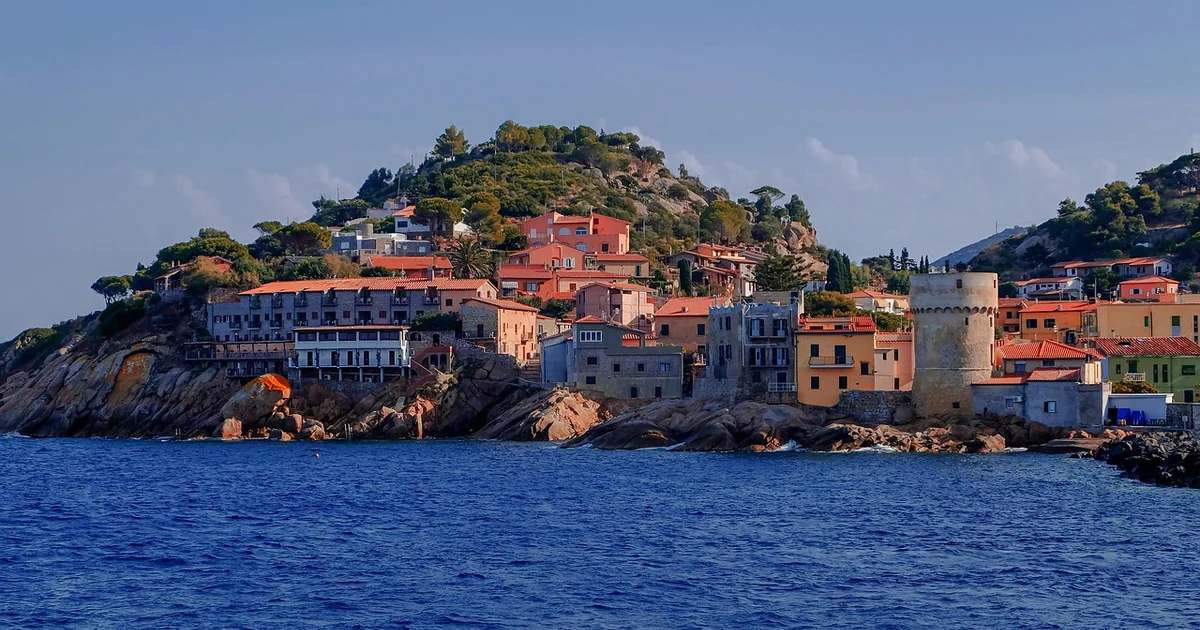
Many people assume a Tuscan look requires Italy’s specific soil and weather. That is not true. The key is the Mediterranean climate pattern: mild, wet winters and hot, dry summers. This same pattern exists in parts of California, Australia, South Africa, and Chile. If you live in one of these zones, you have a head start. Even if you do not, you can adapt the principles. The core idea is designing for resilience and beauty in dry conditions.
The garden we are looking at sits in Southern California. The climate there is remarkably similar to the Mediterranean basin. This made plant selection straightforward. The couple chose drought-tolerant species that thrive on summer heat and minimal water. They did not fight the environment. They worked with it. This is the first lesson for anyone exploring tuscan garden ideas: let your local climate guide your choices, not a wish for impossible lushness.
1. Use Stone and Gravel to Create an Aged Foundation
Nothing signals age quite like stone. In a new garden, fresh concrete and perfect pavers scream “just built.” To achieve an old-world feel, you need materials that look like they have been there for generations. The couple used tumbled Cherokee stone for their vegetable beds. The edges are uneven. The pieces do not match perfectly. This irregularity is intentional. It mimics the look of stone that has weathered decades of rain and sun.
Gravel paths are another essential element. They replace broad lawns or smooth concrete. Gravel provides texture and sound. It slows you down as you walk. It also drains well, which is crucial in a Mediterranean garden. When choosing gravel, opt for a local stone with varied colors—tan, buff, soft gray. Avoid uniform, bright white gravel. It looks too new. Spread it thickly, about two to three inches deep, and edge it with stone or metal to keep it contained.
For a DIY homeowner, sourcing stone can feel overwhelming. Start small. You do not need to pave the entire garden at once. Focus on one area: a path leading to a seating nook or the border around a single raised bed. Look for suppliers who sell “tumbled” or “weathered” stone. These pieces have been processed to soften their edges. If your budget is tight, consider using broken concrete chunks (called “urbanite”) in a similar way. Stack them to create low walls or path edges. Over time, moss and lichen will grow on them, adding to the aged look.
The Art of Hand-Chiseled Details
The gate pillars in this garden were hand-chiseled from slabs of Cherokee stone. A local artisan did the work. The result is a surface that looks naturally worn, not machine-cut. This attention to detail makes a huge difference. If you cannot afford a stoneworker, you can create a similar effect yourself. Use a cold chisel and a hammer to lightly chip the edges of flagstones or concrete blocks. Work slowly. The goal is subtle irregularity, not destruction. Even a few minutes of chiseling on visible corners will make a new stone look older.
Another trick is to plant creeping thyme or sedum in the cracks between stones. These low-growing plants soften hard edges and suggest that the garden has been growing there for years. They also add a layer of fragrance when you brush against them.
2. Build Intimate Seating Areas with Layered Planting
A Tuscan garden is not about wide-open spaces. It is about discovery. You wander down a path, turn a corner, and find a hidden bench tucked between shrubs. This sense of enclosure makes a small garden feel larger and more private. The couple created a seating area between a king palm and dwarf olive trees. They surrounded it with layers of Jerusalem sage, lamb’s ears, California lilac, and large boulders. The result is a room without walls.
To replicate this, think in layers. Start with a structural backdrop: a wall, a hedge, or a row of tall shrubs. Then add mid-height plants like salvia or lavender. In front of those, place lower groundcovers like creeping rosemary or dianthus. Finally, use boulders or large pots to anchor the corners. The boulders do not just look good. They also hold heat from the sun, which can extend the growing season for nearby plants.
One common challenge is making a seating area feel private when your yard is open to neighbors. Use fast-growing, drought-tolerant shrubs like pittosporum or California lilac to create a living screen. Plant them in a staggered row, not a straight line, for a more natural look. Within a year or two, they will fill in enough to give you that tucked-away feeling.
Choosing the Right Plants for a Layered Look
Drought tolerance is non-negotiable. The couple selected agave, pittosporum, and salvia for their deep borders. Large sculptural succulents like ‘Blue Flame’ and ‘Blue Glow’ agave add structure. They anchor drifts of ‘Electric Blue’ salvia, ‘Compactum’ pittosporum, azure bush germander, and kangaroo paw. This combination provides year-round interest. The agaves stay bold in winter. The salvias bloom in summer. The kangaroo paw adds a vertical accent.
For a home gardener, the key is to repeat a few strong plants throughout the space. Do not use one of everything. Pick three to five species and use them in multiple locations. This creates visual rhythm and makes the garden feel cohesive. It also simplifies maintenance. You learn how each plant behaves, and you can propagate more from cuttings or divisions.
3. Incorporate Salvaged Materials for Instant Character
New wood looks sterile. Old wood tells a story. The studio in this garden was built from redwood salvaged from an old shed found on the property. That single choice gave the structure decades of character instantly. The weathered grain, the nail holes, the slight silvering from sun exposure—none of it can be faked. If you have access to salvaged lumber, use it for garden structures: a pergola, a bench, a trellis, or even a small shed.
Finding salvaged materials takes some effort. Check local demolition sites, Habitat for Humanity ReStores, or online marketplaces like Craigslist and Facebook Marketplace. Look for old barn wood, fencing, or decking. Even a few boards used as a gate or a planter box will add authenticity. If salvaged wood is not available, buy new wood and accelerate the aging process. Brush on a mixture of vinegar and steel wool (let it steep for a few days) to create a gray, weathered patina. Alternatively, leave untreated cedar or redwood outside for a season. Rain and sun will soften the color naturally.
Using Wrought Iron to Add Old-World Craftsmanship
The wrought-iron gate in this garden was designed by the homeowner and made by a local ironworker. It is not a mass-produced piece from a big box store. That custom touch makes a statement. If you cannot afford a custom gate, look for antique ironwork at architectural salvage yards. Even a small iron trellis or a bracket for a hanging lantern adds the right feel. Paint it a dark, matte black or a deep rust color. Avoid shiny, glossy finishes. They look too new.
4. Blend Vegetables and Ornamentals for a Working Garden
Tuscan gardens are not just for show. They are productive. The couple filled low beds with basil, thyme, Swiss chard, and other leafy greens. These vegetables are bordered with the same tumbled Cherokee stone used elsewhere. The result is a kitchen garden that feels ornamental. It is not hidden away behind the house. It is a feature of the landscape.
This integration solves a common problem: how to grow food without sacrificing beauty. The trick is to choose vegetables with attractive foliage. Swiss chard has colorful stems in red, yellow, and white. Basil has glossy green leaves and a compact habit. Thyme forms a low, spreading mat. Plant them in neat rows or geometric patterns. Edge the beds with stone or low boxwood. Allow herbs to flower. Their blooms attract pollinators and add soft color.
You may also enjoy reading: Make 5 Quick Fake Wasp Nests With a Paper Bag.
Fruit trees also play a role. The couple planted an ‘Anna’ apple tree near the kitchen garden. It frames the space and attracts bees. They let herbs and flowers spread at the tree’s base. This maximizes growing space and adds to the free-flowing aesthetic. If you have room for even one fruit tree, choose a dwarf variety. It will stay manageable and still produce plenty of fruit.
Maximizing Small Spaces with Vertical Growing
If your garden is small, use vertical structures. Train a grapevine or a climbing rose over an arbor. Hang pots of trailing rosemary or oregano on a wall. This adds height without taking up ground space. It also creates the layered, abundant look that defines a Tuscan garden.
5. Create Vignettes with Texture and Contrast
The most memorable gardens are not seen all at once. They reveal themselves in small scenes. The couple designed vignettes throughout their space. One example: a small boulder framed by delicate Santa Barbara daisy blossoms, rounded lobes of jade and echeveria, and spiky agave. Each plant has a different texture. The contrast makes each one stand out.
To create your own vignettes, start with a focal point. It could be a boulder, a large pot, a statue, or a unique plant. Then surround it with plants that contrast in form. Pair spiky leaves with rounded ones. Place fine-textured foliage next to broad, bold leaves. Use color sparingly. In a Tuscan garden, the palette is often muted: silvers, grays, soft greens, and touches of blue or purple. Bright pinks or oranges can work, but use them as accents, not the main event.
One practical tip: group pots of similar plants together. A cluster of three terracotta pots, each with a different succulent, creates a mini vignette on a patio or steps. Move them around until the arrangement feels balanced. This is an easy way to experiment without committing to planting in the ground.
Lighting to Extend the Experience
Soft, warm lighting transforms a garden at dusk. String lights along a pergola or through an olive tree. Place a few lanterns on the ground near the seating area. Use candles in glass holders on a table. The light should be warm yellow, not bright white. It should cast gentle shadows. This invites you to stay outside long after the sun goes down.
Frequently Asked Questions About Tuscan Garden Design
How can I make a new garden look like it has been there for decades?
Use aged materials like tumbled stone, salvaged wood, and hand-chiseled details. Plant in layers and choose drought-tolerant species that mature quickly. Allow plants to spread naturally. Add moss or lichen by keeping stone surfaces damp in shady spots. The key is patience and a focus on texture over perfection.
What are the best drought-tolerant plants for a Tuscan-style garden?
Agave, salvia, lavender, rosemary, pittosporum, California lilac, Jerusalem sage, lamb’s ears, and kangaroo paw all work well. Succulents like echeveria and jade add structure. Olive trees and dwarf fruit trees provide height and fruit. Choose plants that thrive in your specific climate zone.
How do I incorporate salvaged materials into my garden design?
Look for old wood at demolition sites or salvage yards. Use it for pergolas, benches, or gates. Reclaimed brick or stone can edge paths or raised beds. Even a single salvaged beam used as a garden bench adds instant character. Treat new wood with a vinegar-and-steel-wool solution to accelerate weathering.
What techniques can I use to give stonework a weathered appearance?
Use tumbled or irregularly shaped stones. Chisel edges by hand with a cold chisel and hammer. Plant creeping thyme or sedum in the cracks. Allow moss to grow by keeping the stone damp in shaded areas. Avoid sealing the stone; a natural surface weathers faster.
How do I design a seating area that feels private and intimate?
Place the seating area away from direct sightlines from the house or street. Surround it with layers of shrubs, boulders, and tall grasses. Use a pergola or an arbor to create a ceiling. Add a low wall or hedge on one side. Keep the space small—just enough for a bench or a small table and chairs.
The dream of a Tuscan garden is not out of reach. It starts with a single path, a few well-chosen stones, and a plant that reminds you of a hillside in Italy. Build slowly. Let the garden age with you. In a few years, people will ask how old it is. You can smile and say it has been here forever.