Instead of relying on synthetic pesticides, many gardeners are discovering a natural approach to pest control: planting specific vegetables. These plants possess potent odors and chemical compounds that act as deterrents, effectively managing unwanted visitors in your garden. This organic approach supports healthier harvests while minimizing the need for chemical interventions. Strategically planting certain vegetables can keep pests at bay, with their strong scents and unique properties offering a natural defense. Rather than annihilate pest problems on their own, these vegetables serve as an effective component in a pesticide-free strategy for better harvests.
Onions
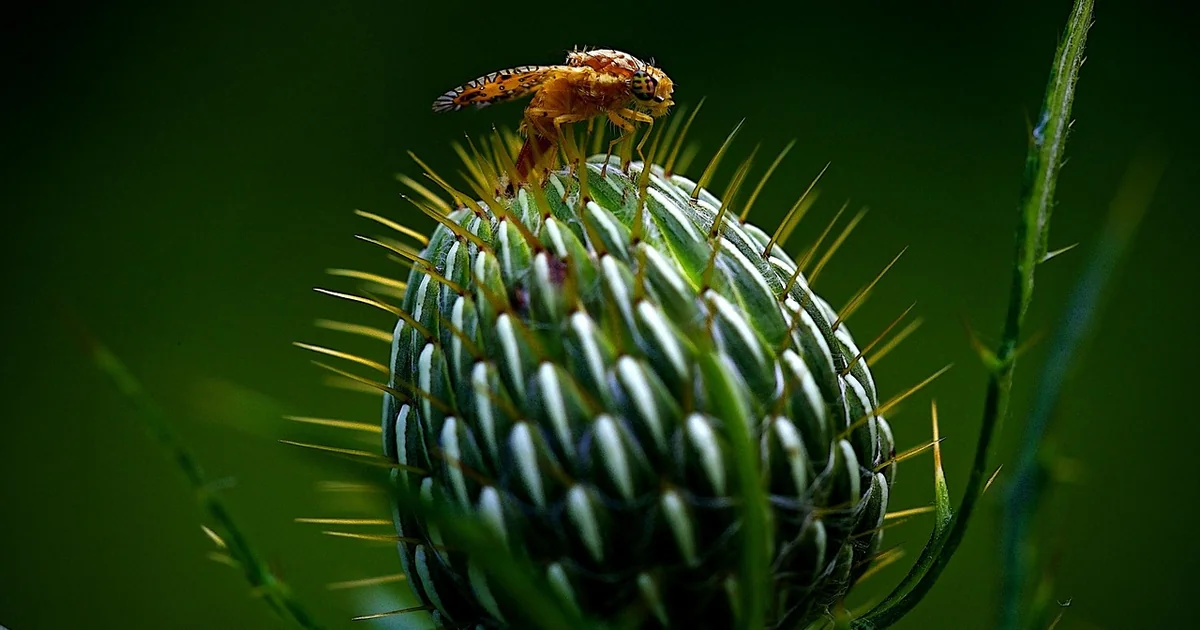
Popular varieties of bulbing onions, green onions, commonly known as spring onions, and leeks all emit a strong, sulfurous odor. This pungent scent acts as a natural repellent for deer, rabbit, squirrels, mice, and voles, effectively confusing a range of insect pests, including aphids, cabbage worms, loopers, spider mites, thrips, and Japanese beetles. Onions don’t require much space and thrive as companions to cabbages, broccoli, kale, carrots, lettuces, tomatoes, peppers, and strawberries. When planting these and other leafy greens, use onions and spring onions, as well as leeks, to create a protective barrier. Avoid planting onions near beans, peas, asparagus, or other alliums, as they can hinder their growth. You won’t need to interplant with beans, peas, asparagus, and other alliums. These onions and leeks are effective when interplanted with larger crops or used as a barrier, and they are not known to stunt other plants.
Garlic and Shallots
Garlic and shallots also possess strong, sulfurous odors effective against a wider range of insect pests, including aphids, mites, caterpillars, armyworms, moths, and whiteflies. These pungent plants take up less space than bulbing onions and can be interplanted with most vegetables, except for beans, peas, asparagus, and other alliums. When creating a natural barrier, avoid planting garlic and shallots alongside these plants. The strong taste of garlic and shallots effectively deters deer, rabbits, mice, and voles, and their distinct aroma keeps other pests away. Unlike bulbing onions, garlic and shallots are not known to stunt the growth of other plants when used as a perimeter defense. These plants are not to be interplanted with beans, peas, asparagus, or other alliums. You can plant garlic and shallots as a fence to keep out deer, rabbits, mice, and voles. The strong flavor of these plants keeps them from eating your vegetables, and when used as a barrier, their scent keeps other pests away. These vegetables do not stunt the growth of other plants.
Mustard Greens
Mustard greens function as a biofumigant, effectively controlling nematodes, weeds, and soilborne pathogens. This cool-weather crop is an excellent trap for beneficial insects, such as ichneumon wasps, on cabbage, broccoli, cauliflower, and Brussels sprouts. These wasps lay their eggs on pests and caterpillars found on the leaves. While mustard tends to bolt when temperatures exceed 75°F, it continues to work against weeds and soilborne pests when tilled into the soil. You do not need to use a constant temperature to get benefits from these vegetables. For a pesticide-free approach to pest management, tilling mustard into the soil is a powerful strategy. You can also sow mustard seeds as a cover crop and allow them to bolt in hot weather to attract beneficial insects and seeds that will attract other beneficial creatures to your garden. This is a beneficial strategy that does not rely on constant temperatures or specific soil conditions.
Radishes
Radishes are rapid-growing companion plants and effective trap crops for flea beetles, aphids, cabbage root flies, and other pests, as well as wireworms and maggots. Rather than focusing on a single pest, planting radishes along with tomatoes, eggplant, cucumbers, squash, and other brassicas can attract these pests away from your more vulnerable crops. You do not need to plant these vegetables around everything, but they are useful as a decoy. These vegetables, rather than attracting pests to your main crops, can be allowed to bolt in warmer weather, attracting beneficial insects and seeds that can be used to attract other helpful creatures. When planning your garden layout, consider planting radishes as a perimeter defense or interplanting them with other vegetables. You can sow these throughout the summer, and allowing them to bolt in hot weather can provide a valuable resource for pollinators and beneficial insects. You can also sow radishes as a cover crop and allow them to bolt in hot weather to attract beneficial insects and seeds that will attract other helpful creatures.
Chile Peppers
The chemical capsaicin, responsible for the heat in chili peppers, deters squirrels, rabbits, and various insect pests, including larvae, moths, beetles, and whiteflies. This natural defense mechanism can be particularly effective against animals that might otherwise be attracted to your garden. Unlike many other pest control methods, capsaicin does not harm beneficial insects or pollinators. You do not need to rely on harmful chemicals to deter pests. The pungent nature of chili peppers serves as a deterrent, effectively keeping these animals away from your vegetables. The strong, irritating sensation caused by capsaicin on contact and a burning feeling when eaten deters squirrels, rabbits, and other pests. You can often use a diluted solution of chili peppers as a natural spray on a wide variety of vegetables. However, be cautious when applying this spray, as it can irritate skin and eyes. These peppers can be used as a natural repellent for a variety of pests, and the concentration of capsaicin can be adjusted depending on the severity of the infestation.
You may also enjoy reading: 7 Holiday Decor Items Your Pet Secretly Hates.
Asparagus
Asparagus contains a chemical that acts as a natural repellent to root knot nematodes, a common soilborne pest. These nematodes can severely damage the roots of many vegetables, leading to stunted growth and reduced yields. By planting asparagus, you can help to protect your other vegetables from these harmful pests. The chemical compounds released by asparagus are toxic to root knot nematodes, creating a protective zone around the plants. This natural method of pest control is particularly effective in vegetable gardens where nematodes are a concern. This vegetable’s unique properties can benefit entire rows of other plants. You do not need to use harsh chemicals to protect your vegetable crops from these microscopic pests. The chemical in asparagus acts as a natural deterrent, safeguarding the root systems of other vegetables from damage. You can plant asparagus strategically around vulnerable plants to create a natural barrier against root knot nematodes and other soilborne pests.
Nightshades
Nightshade plants emit solanine, a chemical compound that acts as a repellent for asparagus beetles and other pests. This natural defense mechanism helps protect these plants from damage, ensuring a healthy harvest. The pungent aroma of nightshade plants also deters a variety of insects, creating a safer environment for your vegetable garden. You do not need to rely on chemical sprays to protect your nightshade plants from pests. The natural compounds found in these plants deter insects and other pests, promoting healthy growth and abundant yields. Planting nightshade in your garden can provide a natural barrier against pests, reducing the need for synthetic pesticides. These vegetables do not need constant monitoring for pest infestations, and their natural defenses provide a reliable layer of protection.
Strategically planting each of these vegetables – onions, garlic and shallots, mustard greens, radishes, chile peppers, asparagus, and nightshades – can create a more balanced and resilient garden ecosystem. These plants do not annihilate pest problems on their own. Instead, their strong odors and unique compounds serve as a natural defense, reducing the reliance on synthetic pesticides and promoting a healthier garden environment. You can interplant these vegetables with other crops, creating a synergistic effect that benefits your entire garden. Remember that these natural methods are most effective when combined with other good gardening practices, such as crop rotation and healthy soil management. By incorporating these pest-repelling vegetables into your gardening plan, you can enjoy a bountiful harvest without the use of harmful chemicals.
References:
- The Spruce: 7 Vegetables That Naturally Repel Garden Pests, https://www.thespruce.com/vegetables-that-repel-pests-4122597