Why This Native Tree Deserves a Spot in Your Yard
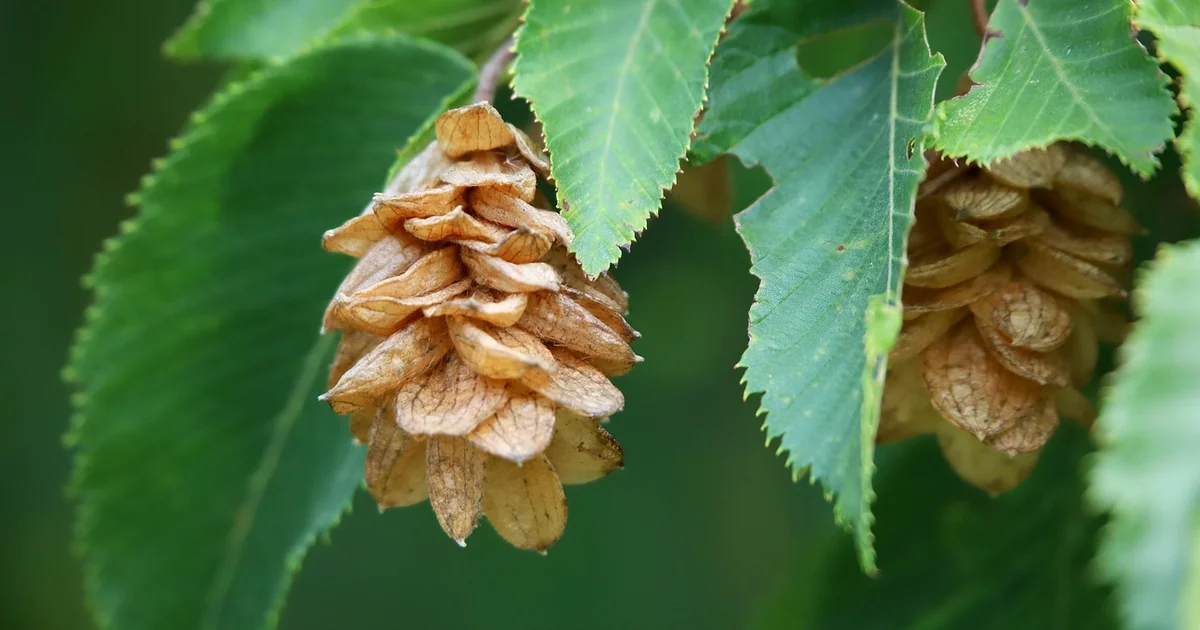
Imagine a tree that puts on a show every single season. In spring, its leaves emerge a striking reddish-purple. Summer brings a canopy of cool, dark green. Autumn sets the foliage ablaze in shades of yellow and orange-red. Even winter offers beauty with rippled, blue-gray bark that looks like flexing muscles. This is the American hornbeam, a native gem that deserves a spot in more landscapes. Getting your american hornbeam planting off to the right start is the secret to enjoying this low-maintenance beauty for decades. Here are five essential tips to ensure your tree thrives from day one.
1. Choose the Perfect Location from the Start
Unlike some trees that tolerate relocation, the American hornbeam develops a deep and spreading network of lateral roots. This makes transplanting a mature specimen extremely difficult, and often unsuccessful. Your very first task, therefore, is to pick a permanent home wisely.
Look for a spot that receives partial shade. In its natural habitat, this tree grows as an understory plant. It thrives with as little as four hours of direct, bright light each day. The soil should be rich, fertile, and acidic, with a pH ideally between 4.5 and 7.4. While it can tolerate clay, it will grow much faster in well-drained, loamy ground.
Consider the tree’s mature size. It will eventually reach 20 to 35 feet in both height and width. Give it enough room to spread its branches. Plant it at least 20 feet away from structures or other large trees. This slow grower can take decades to reach its full height, so plan for the future, not just the present. If you have a narrow side yard or a curbside strip, this tree works beautifully as a specimen. You can also group several together to create a living privacy screen or a windbreak. Once you have scouted the perfect location, it is time to get your hands dirty.
2. Master the American Hornbeam Planting Process
Timing matters. The best window for american hornbeam planting is in the spring, after the last frost. This gives the tree a full growing season to establish its roots before winter arrives. Cool spring temperatures and consistent rainfall create ideal conditions for root growth.
Dig a planting hole that is at least twice as wide as the root ball, but keep it the exact same depth. A common mistake is planting too deep. Look for the root flare, which is the point where the topmost root emerges from the trunk. This must be visible above the soil line after planting. Position the tree so the top of the root ball sits perfectly level with the surrounding soil grade. Backfill the hole using only the original soil you removed. Avoid adding soil amendments like peat moss or compost directly into the hole, as this can discourage roots from spreading outward into the native ground.
Water the tree thoroughly immediately after planting. For the first growing season, maintain a consistent watering schedule. Deep watering once or twice a week is far better than light, daily sprinkles. If deer roam your neighborhood, protect the young trunk with a plastic tree guard for the first couple of years. This simple step prevents bark damage that can stunt the tree’s growth or invite disease.
3. Establish a Smart Watering and Mulching Routine
Consistency is key during the first year. While the tree is establishing its root system, it relies on you for moisture. In the absence of regular rainfall, water deeply once a week. The goal is to saturate the root zone, encouraging those deep lateral roots to spread. Deep watering creates a sturdy, drought-resistant foundation. Shallow watering, on the other hand, produces weak, surface-level roots that leave the tree vulnerable.
Apply a 2-inch layer of organic mulch, such as shredded bark or wood chips, around the base of the tree. Keep the mulch a few inches away from the trunk itself to prevent rot. This layer conserves soil moisture, suppresses weeds, and regulates soil temperature. Think of mulch as a blanket for the roots, not a mound of soil against the bark. A “mulch volcano” is a common mistake that leads to trunk rot and pest issues.
Here is the payoff for your diligence: once established, the American hornbeam is remarkably drought-tolerant. It can also withstand occasional, moderate flooding. This resilience makes it an incredibly reliable choice for a wide range of landscape conditions, from zone 3 to zone 9. You will eventually be able to relax and let nature take over.
4. Prune with Purpose and Skip the Fertilizer
One of the greatest joys of owning an American hornbeam is how little it demands. It is a naturally tidy tree that rarely needs intervention. However, a little strategic pruning goes a long way. Pruning an American hornbeam is like editing a good essay. You are not rewriting it. You are simply removing the obvious errors to let the natural structure shine.
Prune in the winter while the tree is dormant. This avoids the heavy sap flow that can occur if you cut into it during the growing season. Focus on removing any dead, damaged, or diseased branches. You can also gradually remove the lowest branches over several years to better define the trunk and create a clean, single-stem specimen. This reveals the beautiful, sinewy “musclewood” bark that gives the tree its common name.
When it comes to feeding, less is more. This tree thrives in deep, fertile soil and generally does not require any fertilizer. In the wild, it grows perfectly well in rich forest loam without any help from a bag. If you want to give it a gentle boost, scatter a thin layer of finished compost around the base each spring. That is plenty. Over-fertilizing can lead to weak, leggy growth that detracts from the tree’s natural, sturdy form.
You may also enjoy reading: 5 Creative DIY Garden Rock Art Projects.
5. Know the Pests, Problems, and Best Cultivars
The American hornbeam is notably pest- and disease-resistant. You will rarely need to reach for a spray bottle. That said, no tree is completely immune. Under significant stress, it can occasionally face leaf spots, cankers, or twig blight. Verticillium wilt is a potential soil-borne issue. If the tree is weakened by drought or injury, the chestnut borer may take advantage. The best defense is a healthy tree. Proper american hornbeam planting and care will prevent nearly all of these issues. If you do notice a problem, it is usually cosmetic and not life-threatening.
It is also helpful to know exactly what you are buying. The American hornbeam is sometimes confused with its relative, the ironwood (Ostrya virginiana). While both are tough native trees, the hornbeam’s bark is smoother and more rippled, truly resembling muscle tissue.
If you want a specific look, consider a named cultivar. ‘Firespire’ Musclewood (C. caroliniana ‘J.N. Upright’) offers a narrow, upright form that reaches about 15 feet tall and 10 feet wide, with brilliant orange-red fall color. It is perfect for tight spaces and is hardy in zones 4 through 7. ‘Ball O’Fire’ Musclewood is another excellent choice, featuring a compact, rounded canopy and very slow growth. It requires almost no pruning to maintain its shape, making it ideal for a smaller, manicured landscape.
Frequently Asked Questions About American Hornbeam
How fast does an American hornbeam grow?
This tree is a slow to moderate grower. Under ideal conditions, you can expect it to add roughly 12 to 24 inches of height per year. It can take several decades to reach its full mature height of 30 feet.
Can American hornbeam grow in full sun?
Yes, but it prefers partial shade, especially in hotter climates. In the southern end of its range (zone 8 or 9), full afternoon sun can stress the tree. It naturally thrives as an understory tree, so dappled light is its comfort zone.
How close to a house can I plant an American hornbeam?
Because its mature spread is 20 to 35 feet, you should plant it at least 15 to 20 feet away from your home’s foundation. This allows the canopy to develop fully without rubbing against the siding and keeps the roots safely away from the foundation.
Does the American hornbeam have invasive roots?
No. While it has a deep and spreading root system, it is not considered aggressive or invasive. It is safe to plant near driveways, patios, and walkways, though you should always give it room to grow.
What is the difference between American hornbeam and ironwood?
Both are native trees in the birch family, but they are different species. The American hornbeam (Carpinus caroliniana) has smooth, rippled bark that looks like muscle. The ironwood (Ostrya virginiana) has shaggy, peeling bark. Ironwood is also slightly more tolerant of dry, rocky soil.
Planting an American hornbeam is an investment in the future of your landscape. With these five tips, you are setting the stage for a stunning, four-season tree that will reward you with effortless beauty for generations to come.