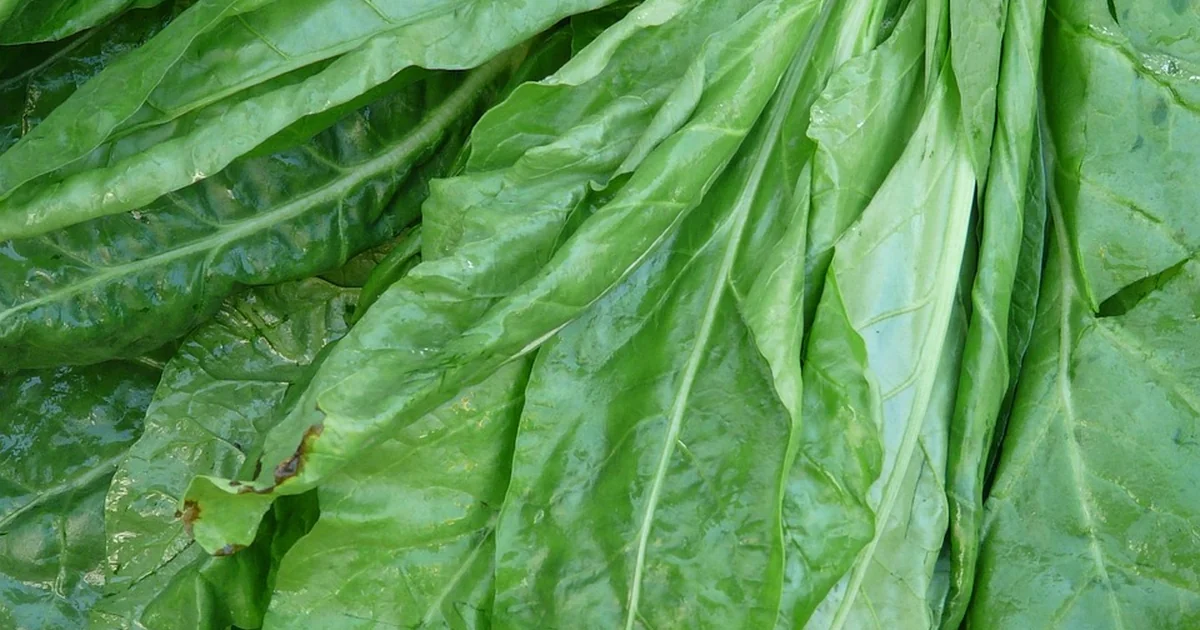
When the summer heat arrives, traditional spinach bolts and turns bitter faster than you can say “salad.” This is where growing malabar spinach becomes a garden game-changer. This heat-loving vine thrives in the scorching sun, producing lush, heart-shaped leaves with a mild, peppery citrus flavor. It is not a true spinach, but its taste and texture make it a perfect warm-weather substitute. Beyond the kitchen, its vigorous vines add stunning ornamental value, climbing trellises and fences with beautiful purple flowers and dark berries. Ready to transform your summer garden? Here are seven essential tips for successfully planting and nurturing this remarkable plant.
1. Speed Up Germination with Seed Scarification
One of the first hurdles in growing malabar spinach is its notoriously slow germination. Seeds can take two to three weeks or longer to sprout, which tests the patience of any gardener. The hard outer shell is designed to protect the seed, but it also blocks water absorption. The solution is a simple technique called scarification. Gently rub each seed between two pieces of fine-grit sandpaper for a few seconds. You just want to nick the surface, not crush the seed. This small scratch allows moisture to penetrate the shell, often cutting germination time in half.
For gardeners in short-summer climates, starting seeds indoors six weeks before the last frost date gives your vines a crucial head start. Use a quality seed-starting mix and keep the soil temperature consistently between 65 and 75 degrees Fahrenheit. A heat mat placed under the seed tray can work wonders for maintaining this warmth. Once the threat of frost has passed and the ground is warm, your seedlings will be ready to transition outdoors with a strong root system already established.
2. Select a Site with Full Sun and Strategic Shade
Malabar spinach is a tropical native that craves warmth. It performs best when it receives at least six hours of direct sunlight daily. In hotter regions, a location with afternoon shade can prevent leaf scorch and reduce water stress. However, be mindful of its dense foliage. A mature vine creates significant shade, which can stunt sun-loving neighbors like tomatoes or peppers. Plant it on the north side of your vegetable bed or use it as a living screen for heat-sensitive crops like lettuce and cilantro.
This strategic placement leverages the vine’s growth habit to benefit your entire garden ecosystem. The dense canopy also suppresses weeds around its base, reducing your maintenance workload. If you are short on ground space, consider a large container. A 10-gallon pot with a built-in trellis allows you to move the plant as needed, optimizing sun exposure throughout the day. This adaptability makes it an excellent choice for patios and balconies.
3. Provide a Sturdy Support Structure Early
This is not a bush bean or a ground cover. Malabar spinach is a climbing vine that routinely reaches 6 to 10 feet in a single season. It needs a robust support system installed at planting time. A flimsy stake will topple under the weight of its lush foliage. A trellis, chain-link fence, or a teepee made of bamboo poles works perfectly. The vines twine naturally, but you can help them by gently weaving young shoots through the gaps. Once they latch on, they climb with remarkable speed.
Installing the support early prevents root disturbance later and ensures the vine has immediate direction for its upward journey. If you are using a container, anchor the trellis deeply into the pot so it does not tip over in a strong wind. The visual impact of a fully covered trellis is striking. The heart-shaped leaves create a dense, green wall that can also serve as a privacy screen or a backdrop for flowering annuals.
4. Maintain Consistent Moisture for Tender Leaves
Water is the single most critical factor for quality leaves. If the soil dries out completely, even for a day, the leaves become tough, stringy, and intensely bitter. Consistent moisture is a cornerstone of successfully growing malabar spinach. Aim to provide about 1 to 1.5 inches of water per week, increasing frequency during heat waves. A thick layer of organic mulch, such as straw or shredded leaves, helps retain soil moisture and keeps roots cool.
Drip irrigation is ideal because it delivers water directly to the root zone without wetting the foliage, which reduces the risk of fungal diseases. Check the soil daily; if the top inch feels dry, it is time to water. During hot, humid summer days, you may need to water twice a day for container-grown plants. The payoff for this vigilance is a continuous supply of succulent, nutrient-packed greens that taste far superior to anything you can buy at the store.
5. Enrich the Soil with Organic Matter
Malabar spinach is a vigorous feeder that produces massive amounts of foliage. It requires nutrient-rich soil to sustain this growth. Before planting, amend your garden bed with a 2- to 3-inch layer of well-rotted compost or aged manure. This improves drainage in heavy clay soils and boosts water retention in sandy soils. The ideal pH range is slightly acidic to neutral, between 6.0 and 6.8. During the growing season, side-dress the plants with compost every four to six weeks or apply a balanced organic fertilizer.
You may also enjoy reading: 5 Bathroom Updates Contractors Agree Pay Off.
High nitrogen levels are particularly beneficial for leaf production, which is exactly what you are after. Fish emulsion or liquid seaweed are excellent organic choices for a mid-season boost. Remember that warm soil is essential for nutrient uptake. Nighttime temperatures should consistently stay above 60 degrees Fahrenheit for the plant to thrive. If you are in a cooler zone, using black plastic mulch can help warm the soil and give your plants a faster start.
6. Thin Seedlings for Proper Air Circulation
When sowing seeds directly in the garden, it is tempting to let every seedling grow. Crowding leads to competition for light, water, and nutrients. More importantly, dense, tangled vines create a humid microclimate that invites powdery mildew. Once seedlings reach 3 to 4 inches tall, thin them to stand 6 to 8 inches apart. If you are transplanting nursery starts, maintain the same spacing. This gap allows air to flow freely through the foliage, keeping leaves dry and healthy.
Proper spacing also ensures each plant has enough root zone to access the resources it needs to produce an abundant harvest. When thinning, use clean scissors to snip the unwanted seedlings at the soil line rather than pulling them out. Pulling can disturb the delicate roots of the neighboring plants you want to keep. The thinned seedlings are perfectly edible and can be added to salads, giving you an early taste of your harvest.
7. Harvest Frequently to Encourage Bushier Growth
The secret to a continuous supply of tender greens when growing malabar spinach is frequent harvesting. Once the vines are about 12 inches long, start cutting the tender tips and leaves. Regular harvesting signals the plant to produce more side shoots, resulting in a bushier, more productive vine. Always leave at least 6 inches of vine intact so the plant can continue photosynthesis and regrow. The young leaves are the most tender and flavorful.
If you let the plant mature and flower, the leaves become thicker and the flavor intensifies. You can eat the flowers and young berries too, but the leaves are the main prize. With consistent picking, a single plant can produce greens for months. To store your harvest, wrap the leaves in a damp paper towel and place them in a plastic bag in the refrigerator. They will stay fresh for up to a week. For long-term storage, blanch the leaves for a minute and freeze them, just as you would regular spinach.
Growing malabar spinach transforms the hot, empty space in your summer garden into a lush, productive vertical oasis. With these seven strategies, you can sidestep common pitfalls and enjoy a nonstop harvest of nutritious greens. Give this vigorous vine a try, and you will wonder why you did not plant it sooner.