Pines are among the most versatile evergreens a homeowner can add to a landscape. They block unwanted views, create private retreats, and provide structure throughout the year. But successful growing pine trees depends on understanding what these conifers need before you put a single shovel in the ground. When you meet their requirements, they reward you with decades of color, fragrance, and habitat for local birds.
Tip 1: Choose a Pine Species Native to Your Region
Why Local Adaptation Matters
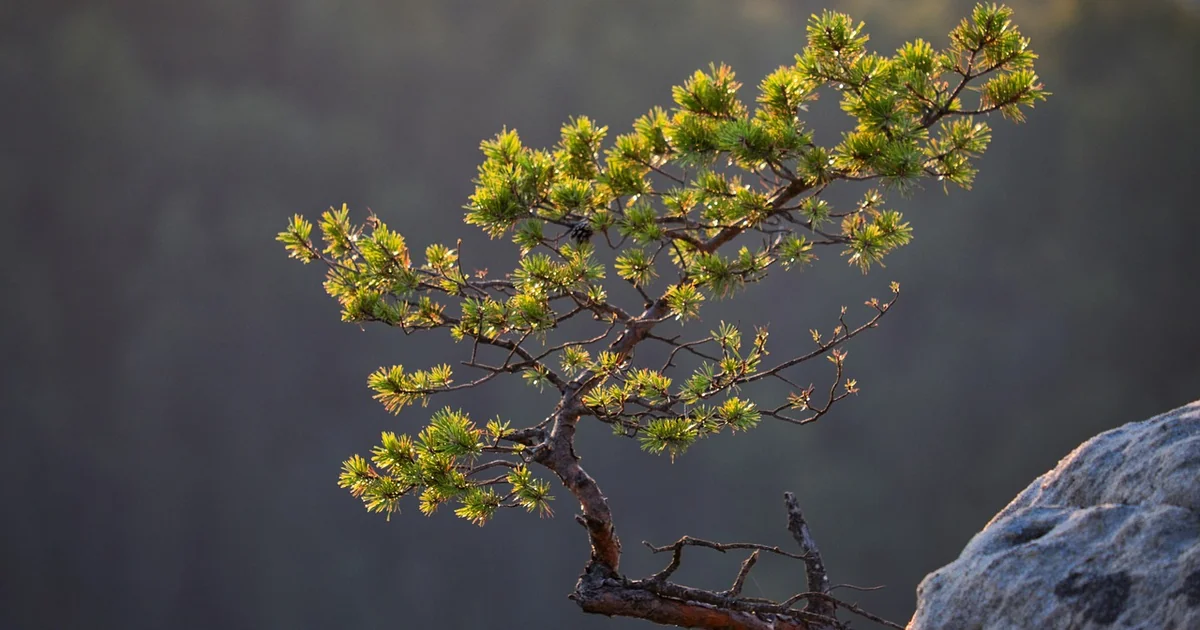
More than 100 species of pine trees and shrubs exist worldwide, and they range from compact 3-foot foundation plants to towering specimens that reach 100 feet. Not every pine will flourish in every backyard. An eastern white pine native to the northeastern United States and Canada will struggle in the heat of central Georgia. A longleaf pine, on the other hand, thrives in the humid Southeast but would perish in a cold northern winter. Matching the species to your climate is the single most important decision you will make.
How to Find the Right Species for Your Area
Your local cooperative extension service or a trusted garden center can tell you which pines grow best in your region. Many areas have native species that have adapted to local soil, rainfall, and temperature patterns over thousands of years. These native pines resist local pests better and require less intervention. They also support native wildlife more effectively than exotic species. Before you buy, ask about the tree’s mature height and spread so you can plan for adequate space. A pine that reaches 60 feet wide will quickly overwhelm a small suburban lot.
Tip 2: Plant in Full Sun with Well-Drained Acidic Soil
The Six-Hour Sunlight Requirement
Pines need unfiltered full sun for at least six hours each day. When planted in shade, they grow leggy, produce sparse foliage, and become vulnerable to disease. The ideal spot receives morning sun and afternoon light without obstruction from buildings, larger trees, or fences. If your yard has heavy shade from mature oaks or maples, pines are probably not the right choice for those areas. Consider sun-loving shrubs or perennials instead.
Soil Preparation and pH Considerations
Well-drained soil is non-negotiable for pines. Their roots cannot tolerate standing water, which leads to root rot and eventual death. Most pines prefer acidic soil with a pH between 4.0 and 7.0, depending on the species. You can test your soil with a simple kit from a garden center. If your soil is too alkaline, you can lower the pH by incorporating elemental sulfur or organic matter such as peat moss. Avoid planting in heavy clay unless you amend it thoroughly with compost to improve drainage.
Tip 3: Get the Planting Depth and Timing Right
Spring Planting for Best Results
Plant bare-root or container-grown pines in early spring while the tree is still dormant. This gives the roots time to establish before summer heat arrives. Fall planting is riskier in colder zones because the tree may not have enough time to root before the ground freezes. Spring planting also aligns with natural rainfall patterns in many regions, reducing the amount of supplemental watering you need to do.
Digging the Hole and Positioning the Tree
Dig a hole twice as wide and slightly deeper than the rootball. Loosen the soil at the bottom and mix in compost to give the roots a nutrient-rich start. For bare-root trees, spread the roots gently in the hole. For container-grown trees, remove the pot and check for circling roots. If you find any, tease them outward with your fingers. Position the tree so it sits at the same depth it was growing in the nursery. Planting too deep suffocates the roots. Backfill with amended soil, pressing down firmly to remove air pockets. Water thoroughly and apply a 2-inch layer of mulch around the base, keeping it a few inches away from the trunk to prevent rot.
Tip 4: Watering Wisdom for Healthy Growing Pine Trees
The Critical First Month
Newly planted pines need consistent moisture to establish their root systems. Water them every two to three days for the first month, giving the soil a deep soak each time. Shallow watering encourages shallow roots, which make the tree vulnerable during drought. Aim to moisten the soil to a depth of at least 6 to 8 inches with each watering session.
Transitioning to a Maintenance Schedule
After the first month, gradually reduce the frequency to once a week. During hot, dry spells, you may need to water more often. Established pines are fairly drought-tolerant, but they still benefit from deep watering during extended dry periods. A good rule of thumb is to water when the top 2 inches of soil feel dry to the touch. Overwatering is just as dangerous as underwatering, so let the soil guide your schedule rather than the calendar.
Tip 5: Fertilize Sparingly and Prune with Purpose
A Minimalist Feeding Approach
Pines do not require frequent fertilizer. In fact, too much nitrogen can cause excessive soft growth that attracts insects and disease. A slow-release granular fertilizer with a balanced ratio such as 10-10-10 applied twice a year is usually sufficient. Sprinkle it around the base of the tree, following the product instructions for the correct amount based on the tree’s size. Avoid getting fertilizer on the trunk or foliage, as it can cause burns.
You may also enjoy reading: 5 Ways: Remove Stains from Quartz Countertops Without Damage.
When and How to Prune
Pruning is seldom necessary for pines, but you can remove dead, diseased, or broken branches at any time of year. The best time for structural pruning is spring, just before new growth begins. Pines do not produce new buds on old wood the way many deciduous trees do, so be conservative with your cuts. If you need to shape the tree, focus on the candles, which are the new growth tips at the ends of branches. Pinching or cutting these back by half in spring encourages denser growth without damaging the tree’s natural form.
Tip 6: Prevent Pests and Diseases Through Smart Site Selection
Common Pine Diseases and Their Causes
Blights and rusts are the most common diseases affecting pines. These fungal infections often enter through wounds or stressed tissue and can be fatal over time. Diplodia tip blight, for example, causes new shoots to turn brown and die back. Pine rusts produce orange or yellow spores on the bark and needles. The best defense is a healthy tree planted in the right location. Stressed trees are far more susceptible to infection than those growing in ideal conditions.
Insect Pests to Monitor
Pine weevils, bark beetles, pine sawflies, scale insects, and aphids are the main insect threats. Bark beetles in particular can kill a tree quickly by tunneling under the bark and disrupting the flow of water and nutrients. Many of these pests target trees that are already weakened by drought, poor soil, or improper planting. Keeping your pine well-watered, properly mulched, and free of mechanical damage goes a long way toward preventing infestations. If you notice unusual needle drop, oozing resin, or dying branches, consult a local arborist or extension agent for identification and treatment options.
Tip 7: Expand Your Collection by Growing Pine Trees from Cuttings
Taking and Preparing Softwood Cuttings
The easiest way to propagate pines at home is through softwood stem cuttings taken in midsummer. Select 6-inch stems from the current season’s growth and cut just below a leaf bud. Remove all the needles from the bottom half of the cutting. Make two or three vertical slits at the cut end to expose the cambium layer, which encourages root formation. Dip the cut end in rooting hormone powder containing auxin to stimulate root development.
Rooting and Aftercare
Insert the cuttings into a moist mix of compost and perlite or coarse sand. Place the pots in a sheltered area away from direct sunlight, such as a cold frame or a shaded corner of the patio. Keep the soil consistently moist but not waterlogged. After two to four weeks, test for rooting by giving the cutting a gentle tug. If you feel resistance, roots have formed. Move each rooted cutting to a larger pot and grow it for a season or two before transplanting it into the landscape. This method allows you to produce multiple trees from a single parent plant at very low cost.
New Innovations: Dwarf Pines for Small Landscapes
Breeders have introduced a wave of dwarf pine varieties that bring the beauty of pines to spaces that cannot accommodate a 60-foot tree. These compact cultivars often reach a mature size of less than 10 feet tall and wide, making them suitable for foundation plantings, patio containers, and small garden beds. Dwarf pines tolerate pruning well and can even be sheared into formal shapes. Their needles come in deep green, icy blue, and bright chartreuse, offering year-round color in a manageable package. Varieties such as Mugo pine, Swiss mountain pine, and certain dwarf white pines are excellent choices for homeowners who want the texture and resilience of pines without the massive footprint.
Whether you are planting a single specimen or a windbreak of a dozen trees, the principles remain the same. Match the species to your climate, provide full sun and well-drained acidic soil, plant at the correct depth, water consistently during establishment, and intervene only when necessary. Pines are resilient and long-lived when their basic needs are met. With thoughtful planning and a little patience, you can enjoy their beauty and benefits for decades to come.