Creating a vibrant, thriving garden in Texas can feel like a high-stakes gamble. The relentless summer sun, unpredictable droughts, and caliche-heavy soils present a formidable challenge that can wilt even the most enthusiastic gardener’s spirit. It’s a common scene: you invest time, money, and hope into a beautiful plant, only to watch it struggle and fade by August, leaving a barren spot and a sense of defeat.
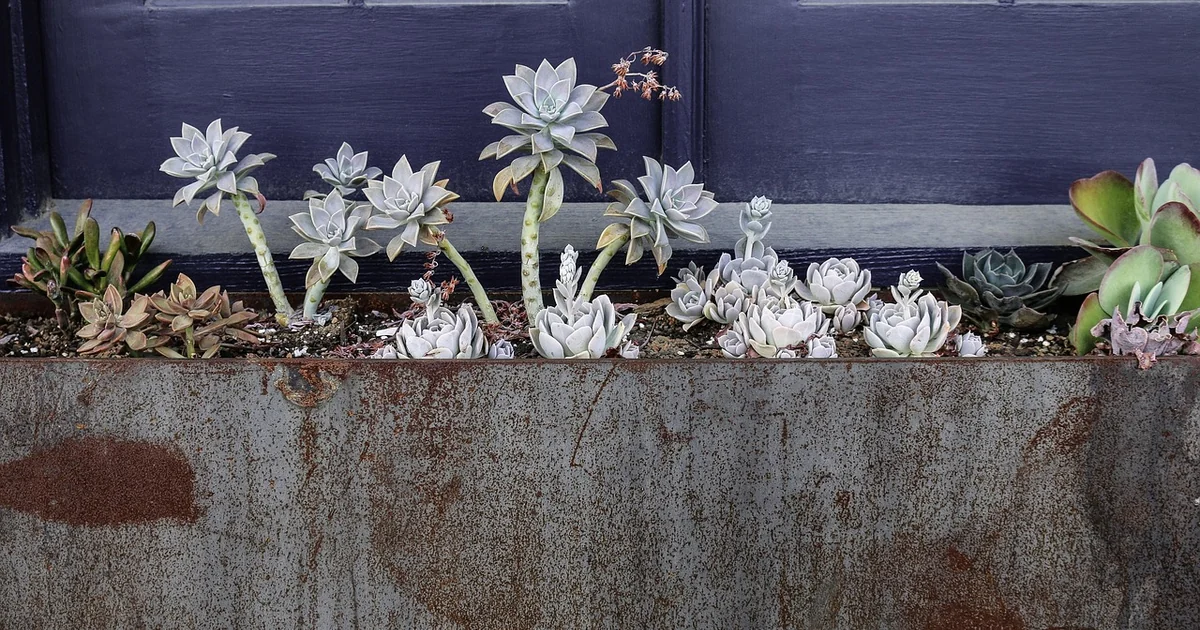
The solution isn’t to fight the Texas environment, but to work with it. This is where the concept of Texas superstar plants becomes a game-changer. Instead of relying on finicky imports, the smart approach is to select flora that has evolved or been rigorously tested to prosper under local pressures. These resilient performers offer breathtaking beauty without demanding constant coddling, turning your landscape from a high-maintenance chore into a sustainable, lively sanctuary.
What Makes a Plant a Texas Superstar?
Not every hardy plant earns the official designation. The Texas Superstar program is a unique, science-based initiative coordinated by Texas A&M AgriLife Extension. For a plant to be selected, it must undergo at least two years of replicated field trials across the state’s diverse climates—from the humid east to the arid west. It must prove itself to be exceptionally adaptable, low-maintenance, pest-resistant, and visually outstanding with minimal inputs like water or fertilizer. Essentially, these are the valedictorians of the horticultural world, chosen not by trend but by proven performance. This rigorous process ensures that when you plant one, you’re getting a proven winner for your specific region.
From towering trees to ground-hugging bloomers, this curated list represents the pinnacle of landscape plants for the Lone Star State. Each one brings a unique set of strengths, solving common gardening problems while elevating your outdoor space’s beauty and ecological value.
1. ‘Henry Duelberg’ Salvia
Named after a 19th-century Texas gardener whose grave was marked by a thriving patch of this native salvia, this plant is a legend in its own right. It solves the critical problem of summer color fade. While other perennials gasp in the heat, this salvia produces prolific spikes of deep violet-blue flowers from spring straight through fall, especially if you give it a light trim mid-summer. Reaching about three feet tall, it forms an airy, textural clump. Its secret weapon is a profound drought tolerance once established, thanks to its native lineage. It’s a magnet for bees, butterflies, and hummingbirds, making it a functional choice for pollinator gardens. Plant it in full sun with good drainage, and it will ask for little more.
2. Lacey Oak
Finding a shade tree that fits a modern residential lot without overwhelming it or demanding constant watering is a common hurdle. The Lacey Oak is the perfect answer. This Texas native stays remarkably manageable, maturing at a modest 25 to 35 feet with a graceful, rounded canopy. Its beautiful blue-green foliage offers a cooling effect and turns subtle shades of pink and yellow in autumn. It’s exceptionally tolerant of the high pH, alkaline soils that frustrate many other tree species. Once its roots are set, it withstands drought and heat with impressive fortitude. For a low-maintenance, native shade tree that provides structure and beauty for generations, the Lacey Oak is a premier selection.
3. ‘Texas Gold’ Columbine
Shady spots often become dumping grounds for garden leftovers because few plants bloom reliably in low light. The ‘Texas Gold’ Columbine transforms these challenging areas into highlights. This rare native variety sports cheerful, buttercup-yellow flowers with elegant, long spurs that dance above a lacy mound of foliage in early spring. It’s a short-lived perennial, but it readily self-sows, creating charming colonies over time. The key to success is mimicking its native Hill Country habitat: provide well-drained soil, perhaps on a slope or in a raised bed, and consistent moisture during its growing season. It’s a stunning, unexpected pop of color for woodland gardens.
4. ‘Lord Baltimore’ Hibiscus
If you crave a tropical, dramatic flair but worry about a plant’s cold hardiness, this perennial hibiscus erases those concerns. It dies back to the ground each winter but returns with vigor each spring, shooting up to five feet tall by mid-summer. Then, it puts on a breathtaking show: from July until the first frost, it produces dinner-plate-sized, vibrant scarlet flowers that are a hummingbird highway. It solves the “late-season color gap,” blooming when many other perennials are spent. While it loves moisture and is perfect for rain garden edges, it’s surprisingly adaptable in a typical border with supplemental watering during dry spells.
5. Turk’s Cap
For deep shade where even hostas might struggle, Turk’s Cap is a superhero. This fast-growing native shrub thrives where the sun rarely touches the soil, producing unique, twisted flowers that look like closed hibiscus blooms or, as the name suggests, a Turkish turban. Available in red, pink, or white, these blooms are a nectar fountain for hummingbirds from summer to fall. It can spread to form a dense, screening thicket 4-6 feet tall, making it ideal for naturalizing under large trees or creating a privacy hedge in a difficult spot. Once established, it is remarkably drought-tolerant, needing only occasional watering to look its best.
6. Cape Plumbago
Deer browsing can turn a garden into a nightly salad bar, discouraging many from planting. Cape Plumbago offers a brilliant solution: stunning, phlox-like clusters of sky-blue flowers from spring until frost on a shrub that deer consistently avoid. This South African native has found a happy home in Texas, thriving in full, blistering sun and heat where other plants might scorch. It can be grown as a loose, flowing shrub, a cascading element over a wall, or even trained as a small vine. Its constant bloom provides a cooling blue hue that complements every other color in the palette. It’s a virtually pest-free way to ensure season-long color.
7. ‘Mystic Spires Blue’ Salvia
For smaller gardens or container compositions, finding a compact plant that doesn’t sacrifice flower power is key. ‘Mystic Spires Blue’ is a dwarf cultivar of the beloved ‘Indigo Spires’, offering the same intense blue-purple flower spikes but in a neater, 18-24 inch package. It blooms non-stop without deadheading, forming a dense, tidy mound that looks impeccable in the front of a border or in a patio pot. It shares the superb heat, drought, and deer resistance of its salvia cousins. This plant is the workhorse of the design world, providing structure and relentless color that mixes effortlessly with virtually any other plant.
8. Esperanza (Yellow Bells)
The sound of summer in Texas is often accompanied by the cheerful sight of Esperanza. This large shrub or small tree is covered in brilliant yellow, trumpet-shaped flowers from late spring until the first freeze. It solves the need for a fast-growing, flowering screen or accent plant that laughs at the heat. It can reach up to 10 feet tall in a season, then die back in winter in colder zones, re-emerging reliably in spring. It’s incredibly drought-tolerant and thrives in poor, rocky soils. For a guaranteed splash of sunny color that attracts butterflies and requires minimal care, Esperanza is a cornerstone of the easy-care Texas landscape.
9. Purple Coneflower (Echinacea purpurea)
Supporting local ecosystems is a growing priority for many gardeners. The native Purple Coneflower is a powerhouse for biodiversity. Its large, daisy-like purple flowers with prominent central cones are a prime nectar source for butterflies and bees. As the flowers fade and the seeds develop, they become a vital winter food source for goldfinches and other birds. This plant is the definition of tough beauty, thriving in full sun and well-drained soil with minimal water once established. It naturalizes gracefully, forming robust clumps. Including it in your garden means you’re directly contributing to the health of local pollinators and birds.
You may also enjoy reading: 7 Ways to Get More Blooms from Roses in May.
10. Autumn Sage (Salvia greggii)
For precise, structural color that can be shaped and sheared, Autumn Sage is unparalleled. This woody perennial comes in a rainbow of colors—fiery red, coral, pink, purple, and white—and blooms profusely in spring, takes a brief rest in the peak summer heat, then explodes again in fall. Its small, glossy leaves are evergreen in milder areas, providing year-round interest. It’s exceptionally tolerant of reflected heat, making it perfect for planting along driveways, sidewalks, or hot south-facing walls. You can prune it into neat hedges or let it grow into a more natural form. It’s another critical plant for hummingbirds, offering high-energy nectar.
11. Mexican Feather Grass (Nassella tenuissima)
Landscapes need texture and movement, and few plants provide it as elegantly as Mexican Feather Grass. This fine, green fountain of hair-like blades sways beautifully with the slightest breeze, catching the light and adding a soft, ethereal quality to plantings. It solves the problem of filling space with something beautiful that doesn’t require constant flowering. It’s incredibly drought-tolerant and thrives in hot, sunny spots with excellent drainage. A word of caution: in some areas of Central Texas, it has shown potential to self-sow readily. For most gardeners, planting it in contained beds or using a sterile cultivar like ‘Pony Tails’ allows you to enjoy its beauty without concern.
How to Successfully Integrate Superstar Plants
Choosing the right plants is only half the battle; putting them in the right place ensures their success. First, always match the plant to your USDA Hardiness Zone and your specific microclimate (like a hot, dry south wall versus a cool, north-facing corner). Group plants with similar water needs together to make irrigation more efficient—a practice called hydrozoning. When planting, dig a hole twice as wide as the root ball but no deeper, to encourage roots to spread horizontally. Amend the native soil with a few inches of compost to improve drainage and provide a nutrient boost, but avoid creating a rich “bathtub” that holds water. Finally, apply a 2-3 inch layer of organic mulch like shredded cedar or hardwood around the base to conserve moisture, suppress weeds, and regulate soil temperature.
Answers to Common Questions
Where can I buy officially designated Texas Superstar plants?
Look for the distinctive Texas Superstar logo on tags at local nurseries and garden centers. The program works directly with growers to ensure these plants are widely available to consumers. If you don’t see them, ask your nursery manager—customer demand encourages them to stock these proven performers.
Are all Texas Superstar plants native to Texas?
Not exclusively. While many, like Lacey Oak and Turk’s Cap, are true natives, the program also selects superior non-native plants that have demonstrated exceptional adaptability and low invasiveness in Texas conditions, such as Cape Plumbago. The primary criteria are proven performance and resilience, not just origin.
Do these plants really need no fertilizer or extra care?
“Low-maintenance” doesn’t mean “no-maintenance.” Most will thrive with a single application of a slow-release, balanced fertilizer in early spring and occasional deep watering during periods of extreme drought. The key is that they don’t require weekly babysitting, constant spraying, or heavy feeding to look good and survive.
Can I use these plants in container gardening?
Absolutely. Many, like ‘Mystic Spires Blue’ Salvia, Cape Plumbago, and even smaller varieties of Esperanza, excel in large containers. Ensure you use a high-quality potting mix for excellent drainage and choose a pot size that gives the roots room to grow. Container plants will need watering more frequently than those in the ground.
What is the single most important factor for success with these plants?
Proper drainage is paramount. More Texas garden failures are due to “wet feet” from heavy, waterlogged soil than from drought. These resilient plants are adapted to tough conditions, but few can tolerate sitting in soggy soil. If you have heavy clay, planting in raised beds or amending the soil generously is a critical first step.
Building a garden with these champion plants shifts the narrative from constant struggle to confident cultivation. You’re not just planting flowers and shrubs; you’re investing in a resilient, living system that honors the Texas climate, supports local wildlife, and returns beauty with interest year after year. It’s a sustainable approach that lets you spend less time troubleshooting and more time simply enjoying your own personal oasis.