Standing in the garden with a pair of loppers can feel surprisingly intimidating. One wrong cut might ruin the shape of a shrub, or worse, stunt its growth for the entire season. The good news is that pruning does not have to be a guessing game. By understanding a few core principles, you can approach your trees and plants with confidence.
Getting Started with the Basics
Tip 1: Always Start with the Three D’s
Before you even think about shaping a plant, focus on removal. The very first step in any pruning session is to hunt down and eliminate dead, diseased, and damaged stems. These three categories are known as the “Three D’s,” and they are the foundation of every good pruning habit.
Dead wood offers nothing to the plant. It invites insects and decay fungi to take up residence. Diseased branches, such as those showing black spots, cankers, or powdery mildew, act as a reservoir for pathogens. If you leave them in place, the infection spreads to healthy tissue. Damaged stems, perhaps cracked by wind or broken by heavy snow, create open wounds that are easy entry points for pests.
Removing these problem areas is a straightforward process. Cut back to a healthy side branch or all the way to the main trunk. Make sure your tools are clean. A quick dip in rubbing alcohol or a 10% bleach solution between cuts prevents you from accidentally transferring disease from one branch to another. This simple act of sanitation is one of the most powerful pruning tips you can adopt.
While you are looking for the Three D’s, also watch for water sprouts and suckers. Water sprouts are those thin, vertical shoots that grow straight up along the trunk or main branches. Suckers emerge from the root system below the graft union. Both of these growths steal energy from the main plant without producing flowers or fruit. Snip them off as close to the base as possible.
Mastering the Timing for Flowering Shrubs
Tip 2: Prune Spring Bloomers Immediately After Flowering
Few things are more disappointing than waiting an entire year for a lilac or forsythia to bloom, only to see a handful of flowers. The culprit is almost always incorrect pruning timing. Spring-flowering shrubs, such as lilac, forsythia, rhododendron, azalea, and weigela, set their flower buds on “old wood.” This means the buds formed during the previous summer and fall are waiting patiently to open the following spring.
If you prune these shrubs in late winter or early spring, you are physically cutting off those flower buds. The plant will respond with lots of leafy growth, but the blooms will be sparse or nonexistent. The correct window is right after the flowers fade in late spring. At this point, the plant has finished its display and is ready to focus on new growth for next year.
For older, overgrown spring bloomers, consider rejuvenation pruning. This involves cutting about one-third of the oldest, thickest stems all the way down to the ground. Doing this every year for three years completely renews the shrub. The younger stems that replace the old ones will produce far more vigorous blooms. This is one of the pruning tips that requires patience, but the payoff is a spectacular spring show.
Tip 3: Prune Summer Bloomers in Late Winter or Early Spring
Summer-blooming shrubs operate on a completely different schedule. Plants like potentilla, crape myrtle, butterfly bush (Buddleia), and ‘Anthony Waterer’ spirea bloom on “new wood.” This means they grow fresh stems in the spring and produce flowers on that same season’s growth later in the summer.
Because they bloom on new wood, you have a lot of flexibility. The best time for a major pruning is late winter or very early spring, just before the buds begin to swell. You can cut these plants back hard without sacrificing a single flower. In fact, hard pruning encourages the plant to produce long, strong stems that will carry more blooms.
For example, a butterfly bush can be cut down to about 12 inches from the ground each winter. It will still grow to six feet tall by midsummer and produce an abundance of fragrant flowers that attract pollinators like monarch butterflies. A pole pruner with a rotating head makes this task much easier on your back. You can reach down to the base of the plant and make a clean cut without bending over. This is one of those practical pruning tips that saves time and physical effort.
Tip 4: Solve the Hydrangea Puzzle
Hydrangeas cause more confusion among gardeners than almost any other plant. The reason is simple: different species have different blooming habits. Using the wrong pruning approach means you might cut off all the flower buds.
Bigleaf and Oakleaf Hydrangeas: These varieties, including ‘Nikko Blue’ and ‘Snow Queen,’ bloom on old wood. They should be pruned right after they finish flowering in summer, and certainly before midsummer ends. If you prune them in fall, winter, or early spring, you remove the buds that would have bloomed the following year.
Panicle and Smooth Hydrangeas: Varieties like ‘Limelight’ and ‘Annabelle’ bloom on new wood. You can prune them in late winter or early spring without worry. In fact, cutting ‘Annabelle’ back hard in spring results in larger flower heads, though the stems may need staking to support them.
Reblooming Hydrangeas: Modern series like Endless Summer and Let’s Dance bloom on both old and new wood. This gives you a safety net. Even if you prune at the wrong time, or a late frost kills the old buds, the plant will still produce flowers on the new growth. You can prune these lightly in early spring to shape them, and they will reward you with blooms from summer into fall.
Pruning Trees, Hedges, and Roses
Tip 5: Prune Deciduous Trees During Dormancy
Shade trees like oak, linden, ash, and maple benefit greatly from dormant pruning. Winter is the ideal time because the leaves are gone, giving you a clear view of the branch structure. You can see exactly which branches are crossing, rubbing, or growing at a bad angle.
There are also health reasons to prune in winter. For oak trees, pruning during the dormant season dramatically reduces the risk of oak wilt. This deadly fungal disease is spread by sap-feeding beetles that are attracted to fresh wounds. Those beetles are not active in cold weather. Similarly, dormant pruning is critical for apples, pears, and crabapples. It lowers the risk of fireblight, a bacterial infection that can kill branches and even entire trees. The bacteria Erwinia amylovora is less likely to infect a cut made in winter when temperatures are low.
Many gardeners worry about sap bleeding from maples and birches if pruned in late winter. The sight of dripping sap can be alarming, but it is harmless. The tree is simply moving water and minerals from its roots. The sap flow will stop naturally once the leaves fully expand. If the bleeding bothers you, wait until summer to prune these specific trees.
For large branches, always use the three-cut method. Make a cut on the underside of the branch about 12 inches from the trunk. Then cut from the top a few inches further out, letting the branch fall away. Finally, make the final cut just outside the branch collar. This prevents the bark from tearing and helps the tree heal quickly.
Tip 6: Maintain Hedges with a Tapered Shape
Formal hedges require a different approach than natural shrubs. The goal is dense, even growth from top to bottom. The secret to achieving this is to shear frequently during the early growing season and to maintain a specific shape.
You may also enjoy reading: 7 Ways to Safely Remove Poison Ivy.
Always keep the top of the hedge slightly narrower than the base. This is called a tapered or trapezoidal shape. It allows sunlight to reach the lower branches. If the top is wider than the bottom, the upper leaves shade out the lower ones. Over time, the bottom of the hedge becomes thin and bare, with nothing but twigs.
For boxwood, yew, or privet hedges, shear new growth every few weeks during spring and early summer. Stop shearing about six weeks before the first expected frost in your area. Late-season growth is tender and may not survive the winter. If you need to do a drastic renovation on an overgrown hedge, the best times are late winter to early spring, or mid-to-late summer.
One of the best long-term pruning tips for hedges is to choose the right plant from the start. Select a shrub that naturally grows to the height and width you need for your privacy screen. If you choose a dwarf variety that fits the space, you will spend far less time with the shears.
Tip 7: Prune Roses Based on Their Blooming Cycle
Roses are incredibly rewarding, but they have specific needs. Treating all roses the same way is a common mistake. The first step is to identify whether your rose blooms once a year or repeatedly throughout the season.
Once-Blooming Roses: This category includes many climbing roses and old garden roses. They produce flowers on last year’s growth, just like spring-blooming shrubs. Prune them right after they finish their single flush of blooms. If you prune them in early spring, you cut off all the flowering wood.
Repeat-Blooming Roses: Modern roses like hybrid teas, floribundas, grandifloras, and miniature roses bloom on new growth. The main pruning session should happen in early spring, just as the buds begin to swell. At this time, remove any winter-damaged canes and shape the plant. Cut back to an outward-facing bud to encourage an open, vase-like shape that allows air circulation.
Throughout the growing season, practice deadheading. Cut back spent flowers to a five-leaflet leaf. This encourages the plant to produce another round of blooms instead of wasting energy on making rose hips. If the plant becomes wildly overgrown during summer, you can trim it back lightly, but save the major structural pruning for early spring.
Frequently Asked Questions About Pruning
What is the single most important rule of pruning?
The most important rule is to never remove more than one-third of a plant’s total growth in a single year. Removing too much foliage shocks the plant. It strips away the leaves that produce energy through photosynthesis. A stressed plant is more vulnerable to pests and disease. If a plant is severely overgrown, spread the pruning out over two or three years.
Can I prune in the fall?
Generally, fall is not a good time for major pruning. Cutting branches in autumn stimulates new growth just as the plant is trying to go dormant. This tender new growth is almost guaranteed to be killed by the first hard frost. The exception is removing dead or diseased branches, which you can do at any time. Wait until winter dormancy for significant cuts.
Should I use a pruning sealer on large cuts?
Modern research shows that pruning sealers do more harm than good. Trees have their own natural defense systems. They seal off wounds through a process called compartmentalization. Applying a sealer traps moisture and decay organisms inside the cut, which can actually promote rot. The best practice is to make a clean, proper cut at the branch collar and let the tree heal itself.
How do I know if I am cutting at the right spot?
Look for the branch collar. This is the slightly swollen ring of bark where a branch meets the trunk or a larger limb. When you make a pruning cut, leave the collar intact. Do not cut flush against the trunk. Cutting into the collar removes the tree’s natural barrier and opens a large wound that is slow to heal. Cutting too far out leaves a stub that will die back.
What tools do I absolutely need?
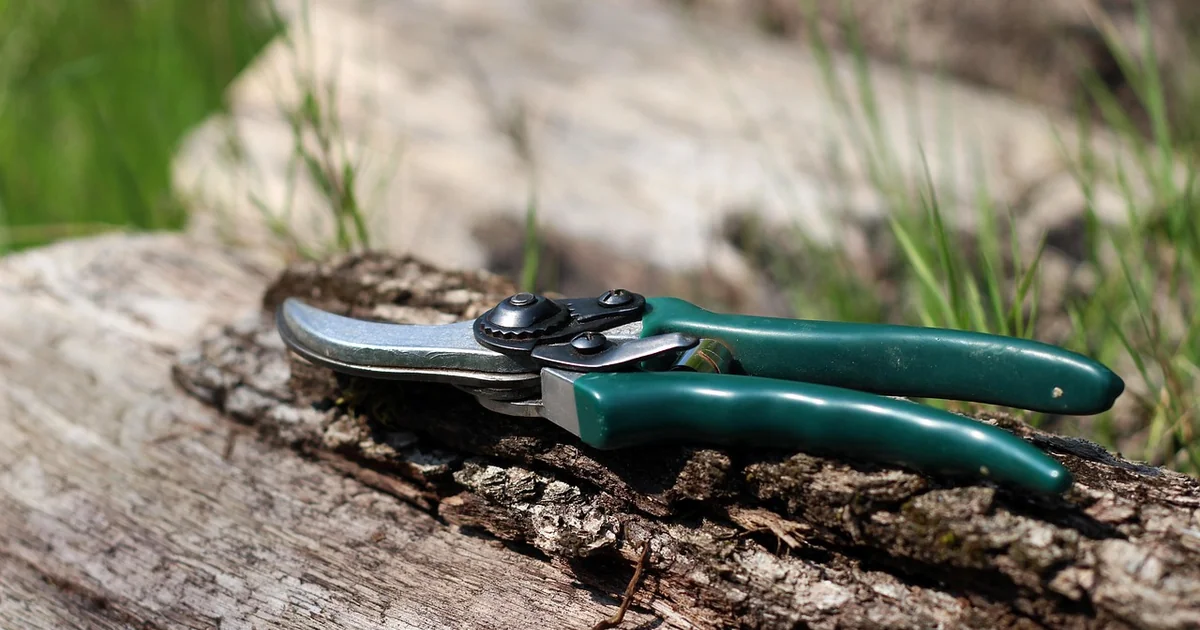
You do not need a shed full of expensive equipment to start. A sharp pair of bypass pruners is essential for stems up to about half an inch thick. For larger branches, a pair of loppers gives you more leverage. A pruning saw handles anything over an inch thick. For reaching high branches or cutting at ground level, a pole pruner is invaluable. Keep all blades clean and sharp. Dull tools crush stems instead of cutting them cleanly, which leads to slower healing.
Pruning is a skill that grows with practice. Start with one shrub or tree this season. Apply these pruning tips thoughtfully, and observe how the plant responds. You will quickly learn that a well-timed cut is one of the most powerful tools you have for creating a vibrant, healthy garden.