Standing in my backyard last July, watching a sprinkler blast water onto the driveway while the roses in the next bed drooped, I knew I needed a change. The water bill was climbing, and the garden wasn’t even thriving. That’s when I started researching a smarter approach. A drip irrigation installation turned out to be the most effective solution I found. It promised precise watering, lower bills, and a healthier garden. And the best part? Completing the project required no plumbing license and took just a single weekend afternoon.
Step 1: Design Your Layout and Source Your Components
Before you start digging or cutting, grab a notebook and sketch your garden. Measure the length of each bed and the distance from your outdoor spigot. This map will determine how much 1/2-inch or 1/4-inch tubing you need. A standard kit, like the popular $55 starter sets, covers around 100 to 200 square feet. For larger yards, you might need an expansion kit.
Here is a quick checklist of essential components you will need for a smooth drip irrigation installation:
- Hose Timer: This automates your watering schedule. Smart timers can even adjust based on local weather.
- Backflow Preventer: This is a critical safety device. It stops garden water, which might contain fertilizer or soil, from siphoning backward into your home’s drinking water supply.
- Y-Filter: Tap water often contains tiny particles of sand or rust. This filter catches them so they don’t clog your delicate emitters.
- Pressure Regulator: Standard household water pressure is usually between 40 and 60 PSI. Drip systems operate best at around 20 to 30 PSI. This regulator protects your tubing from bursting.
- Drip Adapter: This simple fitting connects your standard garden hose thread to the 1/2-inch irrigation tubing.
Step 2: Connect the Control Zone at the Spigot
This is the command center for your system. Everything threads together in a specific order. Start by attaching the timer directly to your outdoor faucet. Next, screw on the backflow preventer. Follow this with the Y-filter, then the pressure regulator, and finally the drip adapter.
Amazon US Verified
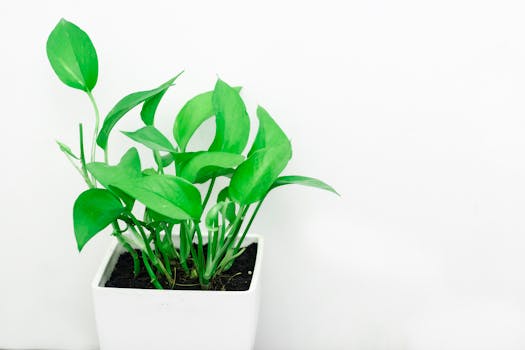
Organic Perlite Horticultural Soil Conditioner
Lightweight volcanic mineral that improves root aeration and prevents compaction.
A common frustration here is cross-threading plastic fittings. Always start threading by hand to avoid stripping the plastic. Once hand-tight, give it a gentle snug with pliers, but do not overtighten. A little plumber’s tape (PTFE tape) on the threads can ensure a watertight seal, especially on older spigots. This whole assembly takes about ten minutes.
Step 3: Unroll and Position the Mainline Tubing
Polyethylene tubing often arrives coiled tightly. If you try to lay it out on a cold morning, it will fight you. Leave the coil in the sun for 15 to 20 minutes before installation. The warmth makes the plastic much more pliable and easier to work with.
Run the 1/2-inch tubing from your adapter through your garden beds. Cut it with a sharp pair of pruners or a utility knife. Use landscape staples (ground stakes) to pin the tubing down every 2 to 3 feet. Keep the lines neat and close to the base of your plants. You do not need to bury the mainline; covering it with mulch is sufficient and makes future adjustments easier.
Step 4: Install Emitters and Micro-Tubing for Individual Plants
This is where the customization happens. For a vegetable garden or dense flower bed, 1/4-inch “spaghetti” tubing with a drip emitter on the end is ideal. Use a hole punch to create a clean hole in the 1/2-inch mainline. Insert a barbed connector, and attach the 1/4-inch tubing. Run the small tube directly to the root zone of your plant.
For shrubs or trees, you might use a 1/2-gallon-per-hour (GPH) pressure-compensating dripper. For a row of carrots, a 1/4-inch soaker line works beautifully. The flexibility here is remarkable. You can adjust the water output for a thirsty tomato plant versus a drought-tolerant lavender bush. Place an emitter 2 inches from the stem for small plants, and 6 to 12 inches away for larger established shrubs.
Step 5: Flush the Lines Before Installing End Caps
This is a step many DIY guides skip, but it is vital. During installation, small bits of plastic shavings, dirt, or debris can get inside the tubing. If you cap the ends immediately, this debris will travel straight to your emitters and clog them. Clogged emitters mean dead plants.
You may also enjoy reading: Install a Pop-Up Bathroom Sink Drain in 5 Steps.
To flush the system, turn on the water for a minute or two with the ends of the 1/2-inch tubing left open. Let the water run freely onto the ground. You will see any discolored water or particles wash out. Once the water runs clear, install your end caps or fold the tubing over and secure it with a compression fitting.
Step 6: Secure the System and Apply Mulch
Now that everything is connected and flushed, go back and check your work. Make sure all connections are snug. Bury the 1/4-inch micro-tubing just under the soil or cover it with a layer of organic mulch like wood chips or straw. Mulch is the unsung hero of a drip system. It prevents evaporation, keeps the soil cool, and protects the tubing from UV rays, which can make plastic brittle over time.
If you have exposed 1/2-inch tubing crossing a pathway, you can bury it a few inches deep in a shallow trench. Otherwise, secure it neatly along the edge of the bed with ground stakes. A tidy system is easier to maintain and looks professional.
Step 7: Program the Timer and Observe
You have done the physical work. Now let the timer do the thinking. A standard battery-powered timer allows you to set the frequency and duration of watering. For most flower beds and vegetable gardens, deep and infrequent watering is best. Aim for about 30 to 45 minutes, 2 to 3 times per week, depending on your climate and soil type.
Run the system manually first and watch it operate. Check each emitter to ensure it is dripping properly. Look for leaks at the connection points. After a week, check the soil moisture 2 inches below the surface. It should be damp, not soggy. Adjust the timer settings based on what you observe. A smart timer can automate this further by skipping watering when rain is in the forecast.
Amazon US Verified
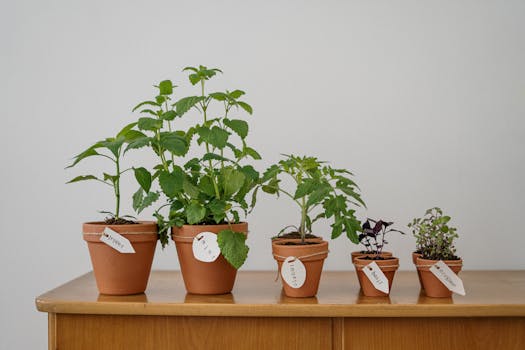
Digital 3-in-1 Soil Moisture & pH Meter
Accurate probe to test deep root zone moisture and prevent accidental overwatering.
Seeing my garden thrive with noticeably less effort and a lower water bill made the $75 investment and the few hours of work completely worth it. The system practically runs itself, giving me back time to actually enjoy the backyard instead of dragging a hose around. If you have been hesitating, this is your sign to tackle a drip irrigation installation this weekend. Your plants and your wallet will thank you.
As an Amazon Associate, azuloz.com earns from qualifying purchases.