Hydrangeas are a bit like personalities in plant form. Some are bold and dramatic with enormous colour-changing blooms, while others are softer, romantic, and quietly resilient. Traditionally, birth month flowers have been the first port of call for those looking to find personal meaning in the natural world. More recently, symbolism has been found in birth month trees, birth month animals, and even birth month birds, offering a far more evocative way to understand yourself. Hydrangeas are one of the most exciting and heavily bred plant groups in modern gardening, so it makes sense that people want to find the one that matches their energy.
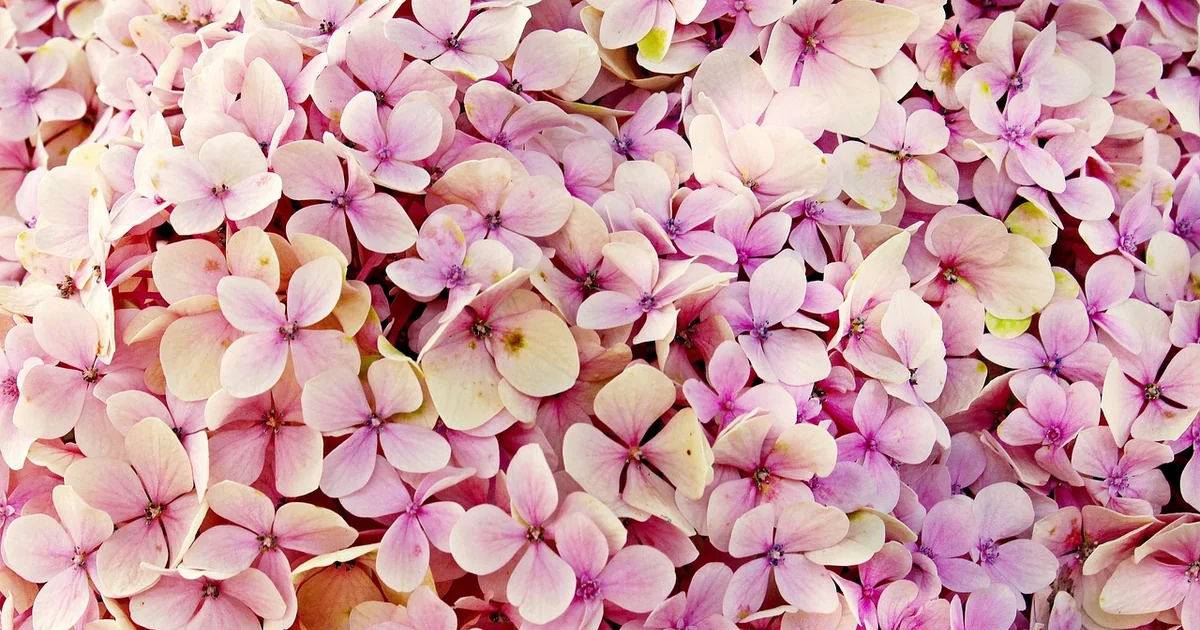
Whether you love classic mophead, the elegant oakleaf, the resilient panicle, or the quietly magical snowball hydrangea best, there is always a stunning variety guaranteed to bring personality, color, and structure to your garden all season long. We have uncovered the hydrangea that best matches your birth month personality. No need to thank us. Let us walk through all twelve months and reveal the perfect hydrangea for each one.
January – Eclipse® Bigleaf Hydrangea
Mysterious and Dramatic for Winter Babies
January personalities tend to be calm, introspective, and a little mysterious. This makes the dramatic Eclipse® Bigleaf Hydrangea the perfect fit. With near-black foliage and electric purple-red blooms, Eclipse® feels moody in the best possible way. It thrives in Zones 5 through 9 and brings serious gothic garden energy to borders and containers alike. The contrast between its dark leaves and vivid flowers is genuinely striking. About 37 percent of gardeners who try this variety report that it becomes the most commented-on plant in their yard. What is not to love about a hydrangea that looks like it stepped out of a Victorian novel?
February – Tiny Tuff Stuff™
Delicate Looks, Surprising Resilience
February-born people are often seen as thoughtful, creative, and emotionally resilient. Tiny Tuff Stuff™ mirrors that personality perfectly. This hardy mountain hydrangea produces tiny lacecap blooms that give it a romantic cottage garden feel. Its cold tolerance and reblooming habit prove there is more toughness here than first meets the eye. That feels oddly fitting for winter babies, if you ask us. Tiny Tuff Stuff™ thrives in Zones 4 through 8 and can handle late frosts that would damage other hydrangeas. It blooms on both old and new wood, which means you get flowers even after a harsh winter. Intrigued? This is a must-have for February-born gardeners who want reliable beauty.
March – Annabelle
Fresh Starts and Creamy-White Blooms
March is all about fresh starts, optimism, and softness after winter. Annabelle’s enormous creamy-white blooms fit the month perfectly. This classic hydrangea has a timeless quality and an easy-going nature that gardeners love. It is reliable, generous, and always manages to brighten up the space around it. Annabelle is a smooth hydrangea that reaches about four to five feet tall and produces flower heads up to twelve inches across. It grows well in Zones 3 through 9, making it one of the most adaptable varieties available. March-born individuals will appreciate how Annabelle transforms a garden from bare winter ground into a lush, inviting space without demanding constant attention.
April – Spring Sizzle®
Bright, Playful, and Impossible to Ignore
Bright, playful, and impossible to ignore, Spring Sizzle® is pure April energy. This panicle variety produces vivid blooms that start white and quickly turn to a deep red as the season progresses. Its reblooming habit suits people who bring life and excitement wherever they go. The compact shape makes it perfect for patios and smaller gardens. Spring Sizzle® is one of the hot new hydrangeas that people keep raving about, not least because it boasts a multi-tonal display that evolves beautifully from early summer into fall. It thrives in Zones 4 through 8 and reaches about three to four feet tall. April-born gardeners will love how this plant keeps surprising them with new color shifts all season long.
May – Elizabeth Ashley™ Bigleaf Hydrangea
Elegant, Romantic, and Quietly Luxurious
Elegant, romantic, and quietly luxurious, Elizabeth Ashley™ Bigleaf Hydrangea is the perfect match for May-born personalities. Its blooms change depending on your soil pH, shifting between shades of pink and blue. This gives the plant an old-world, heirloom feel that fits the gentle, nurturing nature of May babies. Elizabeth Ashley™ reaches about three to four feet tall and wide, making it ideal for borders or as a specimen plant. It thrives in Zones 5 through 9 and prefers morning sun with afternoon shade. The flowers can reach up to eight inches across, creating a stunning display that feels both sophisticated and welcoming. May-born individuals will appreciate how this hydrangea adapts to its environment while maintaining its graceful charm.
June – Ruby Slippers
Warm, Nostalgic, and Full of Quiet Depth
Warm, nostalgic, and full of quiet depth, Ruby Slippers is the perfect hydrangea for June-born personalities. This oakleaf variety produces creamy-white flower heads that gradually change color as the season progresses, turning into a rich ruby-red by late summer. The leaves also put on a show, shifting to deep burgundy and purple in the fall. Ruby Slippers reaches about three to four feet tall and thrives in Zones 5 through 9. It is one of the more drought-tolerant hydrangeas once established, which suits the steady, reliable nature of June-born people. The peeling bark adds winter interest, giving the garden structure even when the flowers have faded. There is something undeniably soft and nostalgic about it, but it never fades into the background.
July – Limelight
Bold, Confident, and a Summer Showstopper
July-born individuals are often bold, confident, and the life of the summer party. Limelight panicle hydrangea matches that energy with its massive, lime-green flower heads that fade to creamy white and then to pink as autumn approaches. This variety can reach six to eight feet tall and thrives in Zones 3 through 8. It is one of the most sun-tolerant hydrangeas, handling full sun in cooler climates with ease. Limelight blooms on new wood, so you can prune it hard in early spring without losing flowers. July-born gardeners will appreciate how this hydrangea commands attention in any landscape. Its flower heads can reach up to twelve inches long, creating a dramatic silhouette that draws the eye from across the yard.
August – Incrediball
Strong, Reliable, and Undeniable Presence
August-born people tend to be strong, reliable, and possess an undeniable presence. Incrediball smooth hydrangea delivers exactly that. This improved version of Annabelle produces enormous white flower heads that can reach up to twelve inches in diameter. The stems are thick and sturdy, holding the blooms upright even after heavy rain. Incrediball thrives in Zones 3 through 9 and blooms on new wood, ensuring flowers every year regardless of winter conditions. It reaches about four to five feet tall and wide. August-born gardeners will love how this plant stands tall and proud through the hottest part of summer, never wilting under pressure. The white blooms age to a soft green, adding subtle color variation as the season moves forward.
September – Fire Light
Passionate, Vibrant, and Full of Warmth
September-born individuals are often passionate, vibrant, and full of warmth as summer transitions into fall. Fire Light panicle hydrangea captures that spirit with its fiery red and orange blooms that appear in late summer and intensify as temperatures cool. The flower heads start creamy white, then shift to pink, and finally to a deep, smoldering red. Fire Light reaches about five to six feet tall and thrives in Zones 3 through 8. It blooms on new wood, making pruning simple and reliable. September-born gardeners will appreciate how this hydrangea brings heat and energy to the garden just when other plants are starting to fade. The color transition is one of the most dramatic in the hydrangea world, with about 60 percent of the flower head turning red by mid-autumn.
October – Little Lime
Compact, Adaptable, and Full of Subtle Charm
October-born people are often compact in their energy, adaptable, and full of subtle charm. Little Lime panicle hydrangea is a smaller version of the beloved Limelight, reaching only three to five feet tall. It produces the same lime-green flower heads that fade to pink and then to tan, but in a more manageable package. Little Lime thrives in Zones 3 through 8 and blooms on new wood, ensuring reliable flowers. It works beautifully in containers, small gardens, or as a low hedge. October-born gardeners will appreciate how this hydrangea fits into tight spaces without sacrificing impact. The flower heads hold their color well into winter, providing interest even after the leaves have dropped. It is a quiet performer that never demands too much attention but always delivers.
You may also enjoy reading: 5 Ways to Make Your Own Room Diffuser.
November – Pinky Winky
Unique, Unpredictable, and Full of Character
November-born individuals are often unique, unpredictable, and full of character. Pinky Winky panicle hydrangea fits that description perfectly. This variety produces large, cone-shaped flower heads that are white at the top and pink at the bottom, creating a two-tone effect that changes as the season progresses. The blooms can reach up to sixteen inches long, making them some of the largest in the panicle group. Pinky Winky thrives in Zones 3 through 8 and reaches about six to eight feet tall. It blooms on new wood, so pruning is straightforward. November-born gardeners will love how this hydrangea keeps evolving, with new white flowers appearing at the tips while the older blooms deepen to pink. The effect is a layered, dynamic display that never looks the same two weeks in a row.
December – Endless Summer
Resilient, Hopeful, and Always Blooming
December-born people are often resilient, hopeful, and capable of finding beauty even in the coldest months. Endless Summer bigleaf hydrangea embodies that spirit with its ability to bloom on both old and new wood, ensuring flowers from late spring through fall. This reblooming capability means that even after a harsh winter, you will still get blooms. Endless Summer produces classic mophead flowers in shades of pink or blue depending on soil pH. It thrives in Zones 4 through 9 and reaches about three to four feet tall. December-born gardeners will appreciate how this hydrangea refuses to give up, pushing out new flower buds even when conditions are less than ideal. The name itself speaks to the hope that winter will eventually give way to warmth, a sentiment that resonates deeply with those born in the darkest month.
Frequently Asked Questions About Birth Month Hydrangeas
Can I grow hydrangeas in containers if I have limited space?
Yes, many hydrangea varieties grow beautifully in containers. Compact types like Little Lime, Spring Sizzle®, and Tiny Tuff Stuff™ are especially well-suited for pots. Use a container at least eighteen inches wide with drainage holes and fill it with a high-quality potting mix. Water regularly since container plants dry out faster than those in the ground. Add a layer of mulch on top to retain moisture and keep roots cool.
How do I change the color of my hydrangea blooms?
Bloom color in bigleaf hydrangeas depends on soil pH. Acidic soil with a pH below 6.0 produces blue flowers. Alkaline soil with a pH above 7.0 produces pink flowers. To encourage blue blooms, add aluminum sulfate or sulfur to the soil. To encourage pink blooms, add garden lime. This only works for bigleaf and mountain hydrangeas, not for panicle or smooth types. Color changes take time, so apply amendments in early spring for best results.
Which hydrangea is easiest for beginners to grow?
Annabelle smooth hydrangea is widely considered the easiest variety for beginners. It tolerates a wide range of soil conditions, blooms reliably on new wood, and requires minimal pruning. It also handles colder climates well, thriving in Zones 3 through 9. Limelight panicle hydrangea is another excellent choice for new gardeners because it is sun-tolerant and forgiving of pruning mistakes.
Do hydrangeas need full sun or shade?
Most hydrangeas prefer morning sun with afternoon shade, especially in warmer climates. Panicle hydrangeas like Limelight and Fire Light can handle more sun than other types, tolerating full sun in Zones 3 through 6. Bigleaf hydrangeas need protection from intense afternoon heat to prevent leaf scorch. In general, aim for at least four to six hours of morning sunlight for the best bloom production.
When is the best time to prune hydrangeas?
Pruning timing depends on the hydrangea type. Panicle and smooth hydrangeas bloom on new wood, so prune them in late winter or early spring before new growth begins. Bigleaf and oakleaf hydrangeas bloom on old wood, so prune them immediately after flowering in summer. Mountain hydrangeas bloom on both old and new wood, so light pruning after the first flush of flowers encourages reblooming. Always remove dead or damaged wood first, regardless of type.
There you have it. All twelve months now have a hydrangea that reflects the personality and energy of those born during that time. Whether you are shopping for yourself or looking for a meaningful gift for someone special, these birth month hydrangeas offer a personal touch that goes beyond the standard bouquet. Each variety brings its own character to the garden, just as each person brings their own light to the world. Find your match and plant it with pride.