Transforming a backyard from a standard patch of grass into a curated sanctuary often feels like an overwhelming architectural challenge. Many homeowners believe that achieving a high-end look requires massive structural changes or expensive hardscaping. However, the secret weapon used by professional horticulturalists is much simpler: the strategic placement of focal points. By selecting the best accent plants, you can direct the eye, create depth, and inject personality into even the most monotonous garden layouts. These plants act as the living jewelry of your landscape, providing the necessary contrast to make your existing greenery pop.
The Strategic Role of Focal Points in Landscape Design
In professional landscape design, an accent plant is not merely a filler used to plug a gap in a flower bed. Instead, it is a deliberate choice meant to command attention through unique texture, unexpected color, or a striking silhouette. Think of your garden as a canvas; while your shrubs and lawn provide the background, your accent plants are the bold brushstrokes that define the composition. Without these high-impact elements, a garden can often feel “flat” or visually uninteresting.
Landscape designers typically look for three specific qualities when selecting these centerpieces: charisma, drama, and longevity. A plant might have incredible flowers, but if it only blooms for a single week in May, it fails the longevity test. Conversely, a plant might be incredibly hardy, but if it lacks a unique form, it fails the drama test. The goal is to find specimens that offer a high return on investment, meaning they provide visual excitement for as many months of the year as possible.
One common mistake amateur gardeners make is choosing plants based solely on color. While a splash of red is lovely, a designer looks for structural diversity. For instance, pairing a fine-textured fern with a broad-leaved hosta creates a sophisticated interplay of light and shadow. This technique, known as textural contrast, is one of the most effective ways to utilize the best accent plants to elevate your outdoor space.
1. The Cascading Elegance of Hydrangea Fairytrail Bride
If you are looking for a plant that defies traditional expectations, look no further than the Hydrangea Fairytrail Bride. Most people are accustomed to hydrangeas that grow in upright, somewhat rigid mounds or those that climb up trellises. However, this specific cultivar introduces a breathtakingly different architecture. Yes, you read that right: this is not a climbing hydrangea, but a cascading one.
This plant made quite a splash in the horticultural world when it secured the prestigious “Plant of the Year” title at the 2018 RHS Chelsea Flower Show. Its distinction lies in its unique flowering habit. While many hydrangea varieties only display blooms at the very tips of their branches, the Fairytrail Bride features flowers that emerge along the entire length of its stems. This creates a continuous, flowing effect of white lacecap blooms that look like a waterfall of petals.
Growing Tips and Placement
Because of its spilling nature, this perennial shrub is an absolute dream when grown in containers. If you have a patio or a balcony, placing this hydrangea in a large, modern vessel—such as a weathered corten steel planter—allows the stems to drape elegantly over the sides. This prevents the plant from getting lost in a crowded garden bed and ensures its unique form is the star of the show.
To thrive, this hydrangea prefers zones 5 through 9 and enjoys a location with part to full sun. It can reach a height and width of about 4 feet, making it a substantial presence without becoming an unmanageable behemoth. Because it is a reblooming variety, you can expect a steady stream of white blossoms from late May well into the summer months. One of the best parts for busy homeowners? This variety is remarkably low-maintenance and typically does not require heavy pruning to maintain its beautiful, mounded shape.
2. The Rare Vibrancy of Rose of Sharon ‘Aruzzi Blue Satin’
Finding a truly unique color in a garden can be a challenge, as many flowering shrubs tend to fall into the same predictable palettes of pink, white, or yellow. This is where the Rose of Sharon ‘Aruzzi Blue Satin’ changes the game. Oh, will you just look at the colors of this gorgeous rose of Sharon flower! It offers a rare, sophisticated lavender-blue hue that is almost unheard of in the Hibiscus syriacus family, and it is beautifully accented by painterly splashes of magenta.
This cultivar is a powerhouse of seasonal interest. While many flowering shrubs fade as the heat of summer intensifies, the ‘Aruzzi Blue Satin’ thrives. It produces these stunning 3-to-4-inch blooms from July all the way through October. This extended blooming period makes it one of the best accent plants for late-season color when the rest of the garden might be starting to look tired.
Resilience and Maintenance
One of the most significant advantages of this specific cultivar is its sterility. For many gardeners, unwanted seedlings can be a nuisance, spreading into areas where they aren’t wanted. Because ‘Aruzzi Blue Satin’ is sterile, you can enjoy its beauty without the headache of managing spontaneous offspring. Furthermore, it is exceptionally hardy, showing a high tolerance for heat and even salt, making it an ideal choice for coastal gardens or urban environments where heat islands are common.
If you are dealing with local wildlife, you will be pleased to know that this variety is notably deer-resistant. It can grow quite large, reaching heights of 8 to 12 feet, but it is very easy to keep smaller through light annual pruning if you have limited space. It prefers full sun to maximize its bloom production and is suitable for hardiness zones 5 through 9. This plant is also a magnet for pollinators; hummingbirds, in particular, find the nectar-rich blue blossoms irresistible.
3. The Textural Brilliance of Hosta ‘White Feather’
Proving that a stunning accent plant doesn’t need to be big to be noticed, the Hosta ‘White Feather’ is a masterclass in subtle, sophisticated design. While many gardeners focus on massive flowering shrubs, the true professional knows that foliage-focused plants are essential for providing “visual rest” and texture. This hosta is a standout because of its extraordinary leaf structure.
The leaves of ‘White Feather’ are characterized by a ribbed, wavy texture that gives them a sculptural quality. Perhaps most strikingly, the leaves emerge in a bright, light white in the spring, providing a luminous glow in the shaded corners of your garden. This brightness is a lifesaver in dark, north-facing areas where most plants struggle to look anything other than deep green.
Solving the Shade Problem
A common problem in landscape design is the “dark corner” syndrome—those areas under large trees or near the house where light simply cannot reach. Most homeowners give up on these spots, leaving them filled with mulch or weeds. By planting ‘White Feather’ in these locations, you turn a dead zone into a bright, textured feature. The light-colored foliage acts as a natural reflector, bouncing what little light is available back into the surrounding area.
These hostas are incredibly easy to care for, requiring only consistent moisture and well-draining soil. They are perfect for shade-to-part-shade environments. To make them truly stand out, try planting them in a grouping of three or five. This creates a mass of texture that feels intentional and high-end, rather than a single, lonely plant lost in the shadows.
4. The Architectural Drama of Japanese Maples
When designers want to create an immediate sense of “place” or “serenity,” they often turn to the Japanese Maple (Acer palmatum). These are perhaps the quintessential accent plants for anyone looking to add an element of Zen or fine art to their backyard. Unlike many garden plants that grow in a predictable bush shape, Japanese Maples offer intricate, lace-like foliage and a delicate, weeping, or upright structure that feels almost curated.
The drama of the Japanese Maple comes from its seasonal transformation. In the spring, you might see tender, bright red or lime green leaves. By summer, the foliage becomes a deep, lush canopy. In the autumn, the color shift is nothing short of spectacular, often turning into brilliant oranges, deep purples, or fiery reds that can be seen from across the street.
Managing the Challenge of Slow Growth
One hurdle with Japanese Maples is their relatively slow growth rate. Some gardeners find it frustrating that their centerpiece takes years to reach its full potential. The solution is to treat them as a long-term investment. If you want an instant impact, look for slightly more established specimens at a nursery. Additionally, because they are slow-growing, they are less likely to outgrow their space, making them perfect for smaller urban gardens or courtyard settings.
To keep them healthy, ensure they are planted in a spot that offers protection from harsh, drying winds and intense afternoon sun, which can scorch their delicate leaves. They prefer slightly acidic, well-drained soil. When placed near a water feature or a stone path, a Japanese Maple provides a sense of calm and permanence that few other plants can match.
You may also enjoy reading: 7 Stunning Trailing Plants That Will Dramatically Cascade From Your Hanging Basket.
5. The Sculptural Impact of Ornamental Grasses
If your garden feels too “static” or stiff, you are likely missing movement. This is where ornamental grasses become indispensable. While flowering plants provide color, grasses provide motion. Even a light breeze can cause a field of grasses to sway, creating a rhythmic, dancing effect that adds a dynamic layer to your landscape. This movement is one of the key reasons why professional designers consider them among the best accent plants for modern gardens.
Grasses also offer incredible textural variety. You can choose fine-bladed grasses like Miscanthus for a soft, airy feel, or broader-leaved varieties like Pennisetum (Fountain Grass) for something more substantial and architectural. The plumes that many grasses produce in late summer and autumn add another layer of interest, providing a soft, fuzzy texture that contrasts beautifully against the sharp lines of hardscaping or the solid leaves of shrubs.
Seasonal Interest and Winter Interest
A common mistake is cutting back ornamental grasses too early in the season. Many gardeners want to tidy up their beds in late autumn, but the dried stalks and seed heads of grasses are vital for winter interest. They provide structure to the garden when everything else has died back, and they offer a beautiful, frosted look during the winter months. Furthermore, they provide essential habitat and food for local birds.
For the best results, plant grasses in clusters to create “drifts” of movement. This looks more natural and impactful than planting them in single, isolated spots. They are generally very low-maintenance, requiring only one major pruning session in late winter or early spring before new growth begins.
6. The Bold Statement of Agave and Succulents
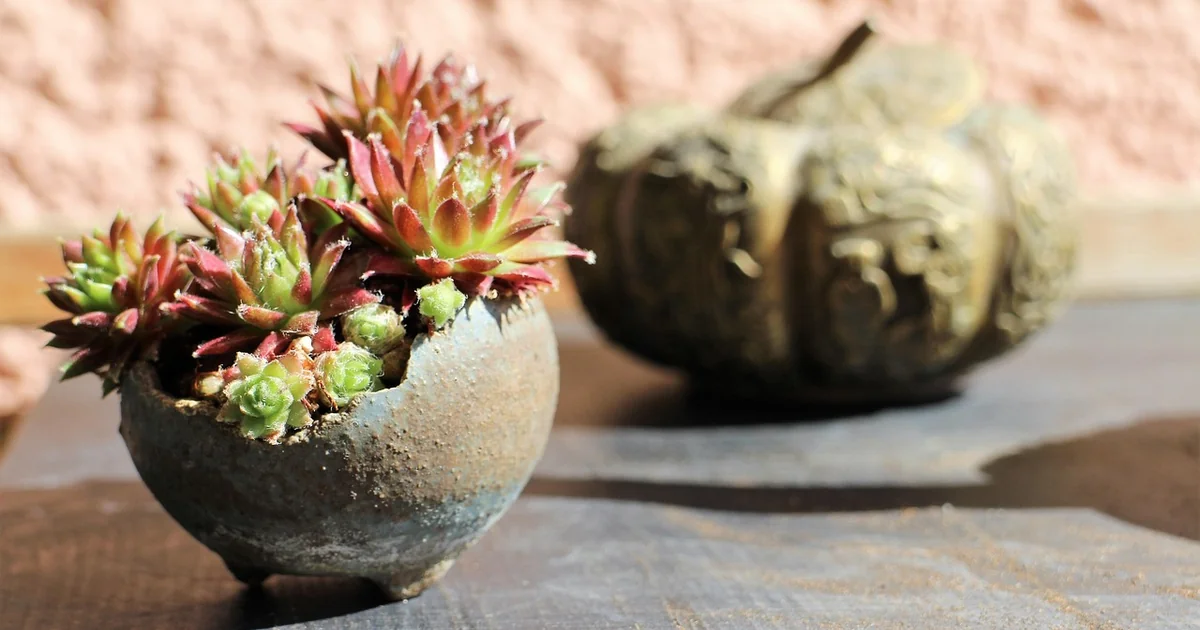
For those living in warmer climates or designing xeriscapes (water-wise landscapes), Agaves and other large succulents serve as the ultimate architectural accents. These plants are the “living sculptures” of the desert. Their geometric shapes—often featuring sharp, radiating leaves and striking symmetry—provide a stark, modern contrast to the softer, flowing lines of traditional garden plants.
An Agave can act as a singular, powerful focal point in a rock garden or near a swimming pool. Their ability to hold their form year-round makes them incredibly reliable. Unlike deciduous plants that change significantly with the seasons, a large succulent remains a constant, reliable anchor in your landscape design.
Overcoming the “Prickly” Problem
The primary challenge with using Agaves as accent plants is their physical structure. Many varieties have sharp spines that can make them difficult to plant or walk near. The solution is strategic placement. Use them in areas where they won’t be accidentally brushed against, such as the center of a large raised bed, or behind a low decorative stone border. This keeps their beauty accessible to the eye while keeping their sharp edges at a safe distance.
Succulents are incredibly drought-tolerant, making them perfect for sustainable gardening. They require minimal water once established and thrive in well-draining, sandy soils. When paired with gravel or crushed stone, they create a clean, sophisticated look that is both beautiful and environmentally responsible.
7. The Fragrant Allure of Gardenia
An accent plant doesn’t always have to be a visual powerhouse; sometimes, the most effective accent is one that engages multiple senses. Gardenias are the masters of this. While their glossy, dark green leaves provide a beautiful, consistent backdrop, it is their intoxicating fragrance that truly sets them apart. A single Gardenia bush placed near a seating area, a patio, or a bedroom window can transform the entire sensory experience of your home.
The creamy white flowers of the Gardenia are classic and elegant, making them a perfect choice for traditional or romantic garden styles. Because the foliage is so dense and dark, the bright white blooms seem to “glow” against the leaves, creating a high-contrast visual that is very pleasing to the eye.
Navigating the Care Requirements
It is important to be realistic: Gardenias can be slightly more temperamental than the other plants on this list. They prefer slightly acidic soil and consistent moisture, and they can be sensitive to sudden changes in temperature or light. If you are a beginner, the key is to provide them with a stable environment. Using a high-quality, acid-loving fertilizer and applying a layer of organic mulch can help maintain the soil conditions they crave.
To ensure success, choose a location that offers dappled shade rather than intense, direct afternoon sun, which can cause the leaves to yellow. Once you master their care, however, the reward is a garden that doesn’t just look like a masterpiece, but smells like one too. This multi-sensory approach is what separates a standard garden from a truly professional-grade landscape.
Whether you choose the cascading charm of a hydrangea or the sculptural geometry of an agave, the right selection will breathe new life into your outdoor space. By focusing on these high-impact, professional-approved specimens, you can create a garden that feels intentional, sophisticated, and uniquely yours.