You have done everything right. You left the leaves alone in the fall. You stopped spraying for mosquitoes. You even let a patch of your lawn grow a little wild. But on a warm July evening, your yard remains strangely dark. Not a single flash flickers near the treeline. The neighbor down the street, who does none of those things, seems to have a hundred fireflies dancing over their lawn. The difference might come down to one simple thing you never considered: your outdoor lights.
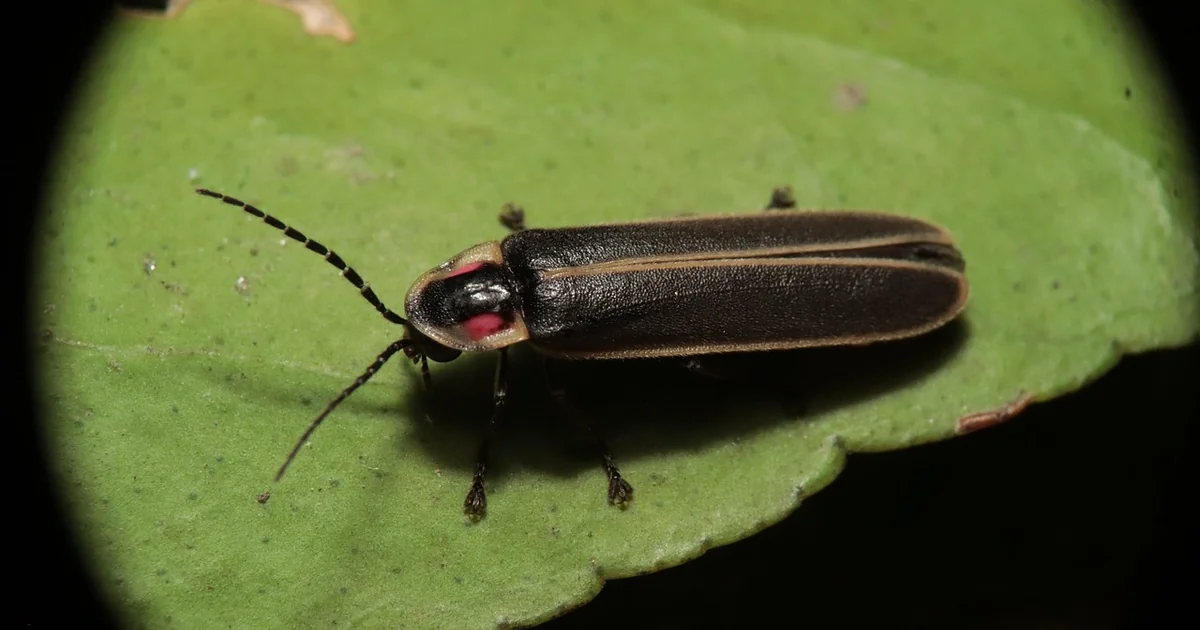
The One Mistake That Cancels Out All Your Hard Work
Firefly populations across North America have dropped by an estimated 50 percent or more in some regions over the past 20 years. Habitat loss, pesticide runoff, and new construction all play a role. But there is a fourth factor that often goes unnoticed. You can have the perfect firefly habitat — mature trees, damp soil, decaying logs, and zero chemicals — and still see almost no fireflies. The culprit is artificial outdoor lighting.
This is the single mistake that keeps fireflies away from an otherwise ideal environment. The insects do not leave your property. They are likely still there, hiding in the grass and shrubs. But they cannot find each other. When you avoid outdoor lighting fireflies have a much better chance of completing their mating ritual. Without that dark window, the population simply cannot sustain itself.
How Fireflies Actually Use Light to Find Love
Fireflies do not flash randomly. Each species follows a specific pattern. Some use a precise rhythm of two quick pulses followed by a pause. Others use a slow, single flash that arcs upward. The color of the light also varies, though most North American fireflies produce a yellow-green glow between 550 and 580 nanometers.
A male firefly takes flight at dusk. He sends out his species-specific signal. A female, perched on a blade of grass or a low leaf, watches carefully. If she recognizes the pattern, she waits a specific amount of time — often two seconds — and then responds with her own flash. This back-and-forth exchange repeats several times. Each response brings the male closer. Eventually, they meet and mate.
This entire process depends on darkness. The male needs to see the female’s faint reply across a distance of 30 to 50 feet. The female needs to spot the male’s signal against a dark background. Artificial light drowns out these subtle conversations. It is like trying to whisper across a crowded stadium during a concert.
About 37 percent of firefly species in North America are now considered at risk of extinction, according to a 2021 assessment by the Xerces Society for Invertebrate Conservation. Light pollution is listed as a contributing factor for many of them.
Why Outdoor Lighting Is So Disruptive
Ambient outdoor lighting interferes with firefly communication at a fundamental biological level. It does not matter if the light seems dim to your eyes. A porch light of 40 watts, a low-voltage path light, or a string of warm fairy lights can all create enough ambient glow to mask a firefly’s signal.
The problem is contrast. Firefly bioluminescence is relatively faint. It evolved to be visible against a dark night sky. When your yard is bathed in artificial light, that tiny flash blends into the background. The male keeps flashing. The female keeps watching. But neither one can see the other’s reply. The conversation never finishes.
This does not kill the fireflies directly. They still eat, rest, and hide from predators. But they do not reproduce. One failed mating season leads to fewer eggs. Fewer eggs means fewer adults the following year. Over three or four seasons, a once-thriving local population can disappear entirely from your block.
There is also an increased predation risk. Fireflies rely on their flash patterns to warn predators that they taste bad. When artificial light confuses their signals, birds and spiders may catch them more easily.
The Science of Color Temperature and Firefly Vision
Not all artificial lights affect fireflies equally. The key factor is the color spectrum of the bulb. Firefly eyes are most sensitive to light in the yellow-green range. This makes sense — their own bioluminescence sits in that exact zone.
Cool white LED lights, which emit strongly in the blue part of the spectrum (around 4000K to 6500K), create the most interference. Blue light scatters more easily in the atmosphere. It also overwhelms the firefly’s visual system, making it nearly impossible to distinguish a natural flash from the artificial glow.
Warm-toned lights, such as amber or yellow bulbs with a color temperature of 2700K or lower, interfere less. They sit closer to the firefly’s own wavelength. But even warm lights cause problems if they are too bright or aimed poorly. The intensity of the light matters just as much as the color.
A study published in the journal Environmental Entomology in 2020 found that fireflies were 71 percent less likely to flash in areas illuminated by cool white LEDs compared to areas with no artificial light. Warm amber lights reduced flashing activity by only 22 percent. The difference is significant, but it does not mean warm lights are harmless.
How to Fix the Mistake (Without Living in Total Darkness)
The good news is that fixing this problem does not require you to stumble around your yard in pitch blackness. You can still use outdoor lighting for safety and enjoyment. You just need to make a few adjustments. Here is how to avoid outdoor lighting fireflies while keeping your home safe and your garden visible.
Switch to Warm-Colored Bulbs
Replace any cool white or blue-spectrum outdoor bulbs with warm amber or yellow options. Look for bulbs labeled 2700K or lower. Some specialty “bug lights” that emit a warm yellow hue are also available. These are not perfect for fireflies, but they are far better than cool white LEDs. Even a simple swap of your porch light bulb can make a measurable difference in how far a firefly’s flash carries.
Direct All Lighting Downward
This is one of the highest-impact changes you can make. Most outdoor light fixtures throw light in every direction. Path lights often shine horizontally. Floodlights blast upward into the trees. Uplighting on a favorite tree or a garden statue creates a beautiful effect for humans, but it is terrible for fireflies.
Switch to fully shielded fixtures that point all light toward the ground. Downward-facing path lights, recessed step lights, and low-profile deck lights are good options. The goal is to illuminate the ground without creating a dome of ambient glow over your yard. If you can see the bulb itself from across the lawn, it is creating light pollution.
Turn Off Non-Essential Lights Between 9 PM and Midnight
Peak firefly activity in most of North America falls between 9 p.m. and midnight during June and July. This is when males are actively flying and signaling. If you turn off decorative string lights, landscape uplighting, and any non-essential fixtures during these hours, you give fireflies a three-hour window of darkness to mate.
This costs nothing. It requires no new equipment. You just need to remember to flip the switch. But most people forget. The easiest solution is to use a smart plug or a basic outlet timer. Set it to turn off the lights at 9 p.m. and turn them back on at midnight. You get the safety of lights earlier in the evening, and the fireflies get the darkness they need later at night.
You may also enjoy reading: 7 Quick Tips to Plant and Grow Queen Palm.
Reduce the Brightness of Essential Lights
If you need a light on for safety reasons — a porch light near the front door, for example — use the lowest wattage bulb that still provides adequate visibility. A 5-watt LED bulb in a warm color temperature is often enough to see steps and walkways. You can also install a dimmer switch and turn the light down to its lowest setting after 9 p.m.
Remove or Reposition Motion-Sensor Lights
Motion-sensor lights are common in backyards. They are meant to deter intruders. But every time they trigger, they flood the yard with bright light for several minutes. This can interrupt a firefly that is mid-conversation. If possible, reposition motion sensors to point away from areas where fireflies are likely to gather, such as garden beds, tree lines, and damp grassy patches. Alternatively, reduce the duration the light stays on to the shortest possible setting.
How Quickly Can Fireflies Come Back?
Firefly populations can recover slowly once you reduce artificial light. Do not expect a dramatic change in the first week. The adults that are already present may have missed their mating window for this year. But the females that do manage to mate will lay eggs in the soil. Those eggs hatch into larvae that spend the next one to two years underground, eating snails, slugs, and other soft-bodied pests.
If you maintain a dark yard during the following summer, those newly emerged adults will have a much easier time finding each other. Within two to three seasons, you can see a noticeable increase in the number of flashes across your lawn. Some homeowners report seeing fireflies return within a single season after making changes, especially if a neighboring property already has a healthy population that can disperse into your yard.
What About String Lights and Patio Lighting?
String lights are very popular for summer entertaining. They create a warm, inviting atmosphere. But they are also one of the worst offenders for firefly disruption. String lights hang at eye level and emit light in all directions. They create a wide, diffuse glow that covers a large area.
You do not have to give them up entirely. Use them sparingly and only during the early evening hours. Turn them off by 9 p.m. If you must have them on later, choose warm amber bulbs and keep the string as dim as possible. Better yet, use candles or citronella torches for late-night ambiance. The flame of a candle produces very little blue-spectrum light and has minimal impact on firefly communication.
Common Myths About Fireflies and Light
There are a few misconceptions that often come up when discussing fireflies and outdoor lighting. Let us clear them up.
Myth: Fireflies are attracted to bright lights like moths.
This is false. Fireflies are not drawn to porch lights or street lamps. Moths are. Fireflies actually avoid bright areas because they interfere with their ability to signal. A bright light is not a beacon for them; it is a barrier.
Myth: If you have fireflies one year, they will always come back.
Not true. Firefly populations are sensitive to changes in their environment. If you install new landscape lighting or your neighbor adds bright floodlights, the local population can decline sharply within two years. They do not automatically persist.
Myth: Only blue light matters.
While blue light is the worst, any artificial light causes some disruption. Warm light is less harmful, but it is not harmless. The intensity and direction of the light matter more than the color alone.
Creating a Firefly-Friendly Yard Beyond Lighting
While lighting is the focus of this article, it works best when combined with other firefly-friendly practices. If you have already addressed the light issue, consider these additional steps to make your yard a true sanctuary.
Leave leaf litter in place until late spring. Firefly larvae live in the top layer of soil and leaf debris. Raking everything away in March removes their habitat. Let a corner of your yard grow wild with tall grass and native plants. Fireflies perch on grass blades and low shrubs during their mating rituals. A manicured lawn with no tall vegetation gives them nowhere to sit.
Avoid using broad-spectrum insecticides, especially those that target mosquitoes. Many mosquito sprays also kill firefly larvae and the small insects they eat. If you must control mosquitoes, use targeted treatments like mosquito dunks in standing water instead of spraying the entire yard.
Add a small water feature or let a low area stay damp. Firefly larvae need moisture. A birdbath, a rain garden, or even a consistently damp patch of soil near a downspout can support them.