Every December, grocery stores and garden centers overflow with poinsettias. Their fiery red bracts signal the start of the holiday season. Most shoppers treat these plants as temporary decorations. They water them a few times, watch the leaves droop by mid-January, and toss the whole thing in the trash. This cycle misses the plant’s true potential. A poinsettia is not a cut flower. It is a perennial shrub. In its native Mexican climate, it can grow taller than a person and live for decades. With a few adjustments to your routine, you can keep yours vibrant until spring and beyond. These five poinsettia care tips will change how you see this holiday classic.
Start With the Healthiest Plant You Can Find
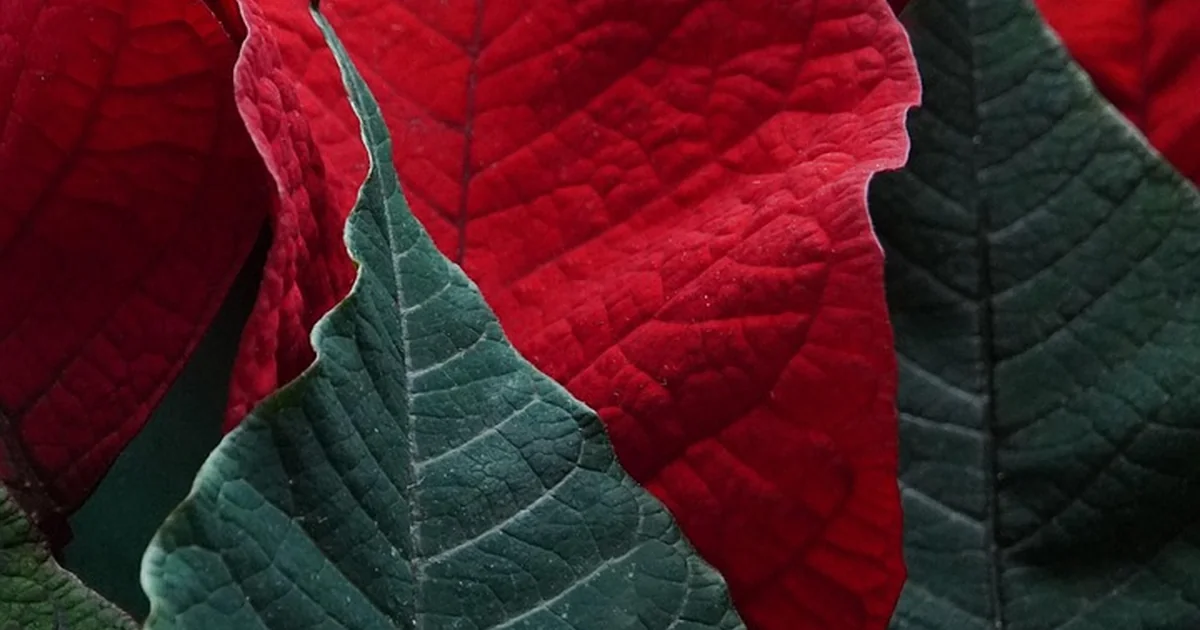
The longevity of your poinsettia begins before it ever enters your home. Most people grab the first plant they see without inspecting it closely. That impulse leads to disappointment. A plant that already has open yellow flowers at its center is closer to the end of its bloom cycle. The tiny yellow buds in the middle are the true flowers. The red leaves people admire are actually modified leaves called bracts. When those center flowers open fully and begin shedding yellow pollen, the plant has already peaked. Within a few weeks, the bracts will fade and drop.
Look for a plant with tightly clustered greenish-yellow buds at the center of the bracts. The buds should show no visible pollen dust. The bracts themselves should feel firm and look uniformly colored. Avoid plants with wilted lower leaves or any signs of yellowing at the edges. A healthy young poinsettia purchased at the right stage can stay colorful for four to six months.
Transport also matters more than people realize. Even a short trip in a cold car can shock the plant. Poinsettias originate from a warm climate and suffer damage below 50 degrees Fahrenheit. Wrap the plant in paper or a plastic bag before carrying it outside. Place it in the warmest part of the car, not the trunk. Get it inside your home within 30 minutes if possible. A plant exposed to cold drafts on the way home may drop leaves within days.
Provide Bright Light and Stable Temperatures
Poinsettias crave bright, indirect sunlight. An east-facing window is ideal because it provides gentle morning light without the harsh intensity of afternoon rays. A south or west window can work if you place the plant a few feet back from the glass or filter the light with a sheer curtain. Direct sunlight through a window can scorch the bracts, causing brown edges and faded color. Too little light causes the plant to stretch awkwardly and lose its lower leaves.
Temperature stability is equally critical. Poinsettias thrive in daytime temperatures between 65 and 75 degrees Fahrenheit. Nighttime temperatures can drop slightly but should stay above 60 degrees. Sudden temperature swings stress the plant. Avoid placing it near drafty windows, exterior doors, heating vents, or radiators. The hot, dry air from a vent can dehydrate the leaves. A cold draft from an open door can trigger leaf drop within hours.
Another detail that matters: keep the leaves away from cold window glass. On a freezing night, the glass temperature can drop well below 50 degrees. If a leaf touches that surface, it may develop black, water-soaked patches. Pull the plant back a few inches from the windowpane, especially during winter nights. This small adjustment prevents damage that many people mistake for disease.
Recognize When It Is Time to Let Go or Push Forward
Not every poinsettia is meant to live forever. Single-stem plants, which many garden centers sell, rarely rebloom well. They lack the branching structure needed to produce a full display of bracts the following year. If your plant has only one main stem, enjoy it through the season and compost it when it fades. Multi-stemmed plants with several branches have a much better chance of surviving year-round and blooming again.
Know the signs that your plant is past its prime. The colored bracts will start to fade and lose their intense red, pink, or white hue. The center yellow flowers will open fully and begin shedding pollen. Lower green leaves will yellow, wilt, and drop. Once these signs appear, the plant is entering its natural dormancy period. You have two choices. You can discard it and buy a fresh one next year. Or you can commit to the year-round care routine that keeps it alive until the next holiday season.
If you choose the second path, understand that the plant will look unattractive for several weeks. After blooming ends, it needs a period of rest. In March or early April, gradually reduce watering. Let the soil dry out more between waterings. The leaves will drop. The plant will look bare and stick-like. This is normal. Move it to a cool, dark location where it receives no direct light for about 12 to 15 hours each day. A basement or a closet works well. During this dormancy phase, water just enough to keep the stems from shriveling completely.
Commit to the Year-Round Reblooming Routine
Keeping a poinsettia alive through its dormancy is the easy part. Getting it to rebloom for the next holiday season requires precise timing and discipline. The process takes about eight months and demands strict control over light exposure. If you enjoy a gardening challenge, this routine is deeply rewarding. If you prefer a low-maintenance approach, simply buy a new plant each December.
In May, after the dormancy period, prune each stem back to about four inches in height. Leave several leaf nodes on each stem. New growth will emerge from these nodes. Repot the plant into a container one size larger using a high-quality potting mix. Place it in a bright window with indirect light. Resume regular watering and begin feeding every two weeks with a balanced liquid fertilizer once you see new growth.
You may also enjoy reading: BHG’s Top 5 Motion Sensor Lights Tested.
In July, pinch back the tips of each branch by about one inch. This encourages the plant to branch out and become bushier. A bushier plant produces more bracts. Continue pinching back new growth through September. Maintain the watering and fertilizing schedule throughout the summer.
The critical phase begins in October. Poinsettias are photoperiodic. They need long, uninterrupted nights to trigger flower bud formation. Starting around October 1, the plant must receive total darkness for 14 to 15 hours each day. Any light exposure during this dark period, even from a streetlamp or a crack under a door, can delay or prevent blooming. Place the plant in a completely dark closet, a basement, or cover it with a lightproof box or bag from late afternoon until morning. During the remaining 9 to 10 hours of daylight, give it bright, indirect light. Continue this routine for about eight weeks. By early December, the bracts should begin showing color. At that point, you can stop the darkness treatment and display the plant normally.
This year-round commitment is not for everyone. But for those who succeed, the payoff is immense. Watching a plant you have nurtured through dormancy, pruning, and light control burst into color for a second holiday season feels like a genuine horticultural achievement. And if you keep it alive for a decade or more, that single poinsettia becomes a living heirloom, a quiet reminder that the best things in life often require patience.
Frequently Asked Questions About Poinsettia Care
How often should I water my poinsettia?
Water when the top two inches of soil feel dry to the touch. This usually means every three to seven days, depending on your home’s temperature and humidity. Always let the pot drain fully after watering.
Can I keep my poinsettia alive after the holidays?
Yes. With proper care, a multi-stemmed poinsettia can live for years. It requires a dormancy period in spring, pruning in May, and a strict light-control routine starting in October to rebloom.
Why are the leaves on my poinsettia turning yellow and falling off?
Yellowing lower leaves usually indicate overwatering or poor drainage. Check that the pot has drainage holes and that water is not pooling in the foil wrapper. Cold drafts or sudden temperature changes can also cause leaf drop.
Does a poinsettia need direct sunlight?
No. Poinsettias prefer bright, indirect light. Direct sunlight can scorch the bracts and cause them to fade. An east-facing window with morning light is ideal.
How do I get my poinsettia to turn red again next year?
Starting in early October, give the plant 14 to 15 hours of complete darkness each night for about eight weeks. During the day, provide bright indirect light. This mimics the short days of autumn and triggers reblooming.