Imagine walking through your garden in late spring. You see massive globes of purple, pink, and white blossoms floating above dark green leaves. That is the magic of a well-established rhododendron. These shrubs define the classic shade garden. Yet many homeowners struggle to keep them thriving. The secret lies in understanding their specific needs. This guide breaks down the process of planting rhododendrons into seven manageable steps. You will learn exactly how to create the acidic, moist, and sheltered environment these stunning plants demand.
Step 1: Select a Rhododendron That Matches Your Region
The Rhododendron genus is vast. It contains over 1,000 species. These range from towering giants native to the misty mountains of East Asia to the compact rosebay varieties found in Eastern U.S. woodlands. Choosing the right type for your specific climate is the first critical decision. Do not simply grab the prettiest bloom at the nursery. Read the plant tag carefully.
Evergreen vs. Deciduous Varieties
Evergreen rhododendrons are the classic choice. They provide year-round structure with their large, leathery leaves. However, they struggle in regions with harsh, dry winters. The cold wind and bright winter sun can desiccate their leaves. Deciduous varieties offer a smart alternative for these climates. They drop their leaves in fall and enter a deep dormancy. This makes them far more tolerant of cold and wind. Many deciduous types also surprise you with brilliant yellow and orange fall foliage before they drop their leaves.
Check Your Hardiness Zone
Most rhododendrons thrive in USDA Zones 4 through 9. But this range is broad. A variety that loves the Pacific Northwest may perish in a New England winter. Look for specific cultivar recommendations for your area. The ‘PJM’ group is famous for its cold hardiness into Zone 4. The ‘Northern Lights’ series is a collection of deciduous hybrids bred specifically for frigid northern winters. If you live in a warmer southern zone, look for heat-tolerant varieties like ‘Formosa’ or ‘Mrs. G. W. Leak’. Matching the plant to your zone prevents heartbreak later.
Step 2: Pinpoint the Ideal Planting Location
Location is everything for these shallow-rooted beauties. They are not “set it and forget it” plants. The wrong spot leads to poor blooming, yellow leaves, or winter kill. You need to balance light, temperature, and wind protection.
Dappled Sunlight Is the Gold Standard
Most rhododendrons prefer a shade-filled existence. But deep, dark shade results in sparse blooms and leggy growth. The ideal scenario is dappled sunlight. This is the light that filters through the canopy of tall pine trees or oaks. Morning sun with afternoon shade is another excellent option. Deciduous varieties can tolerate more direct sun than their evergreen cousins. If you see leaves turning yellow or pale green, the plant is likely getting too much sun.
The Danger of Southern Exposures
Here is a counterintuitive tip. Avoid planting evergreen rhododendrons on the south side of your house or in a spot that faces south. On sunny winter days, those large leaves lose moisture through transpiration. The problem? The frozen ground prevents the roots from replacing that lost water. This leads to “winter burn,” where leaves turn brown and crispy. A north or east-facing location is often much safer. These spots stay cooler and protect the plant from the drying winter sun and wind.
Step 3: Create the Perfect Acidic Soil Mix
Rhododendrons are members of the Ericaceae family. This group demands acidic soil. If your soil is neutral or alkaline, your rhododendron will struggle. It will develop a condition called chlorosis, where the leaves turn yellow but the veins remain green. This is a sign of iron deficiency caused by high pH. Do not skip this step.
Test and Amend Your Soil
The ideal soil pH for planting rhododendrons is between 4.5 and 6.0. Before you dig, perform a simple soil test. You can buy a kit at a garden center. If your pH is too high, you must amend it. The best way to lower pH is to mix in generous amounts of organic matter. Use peat moss, composted pine bark, or leaf mold. These materials acidify the soil as they decompose. They also improve drainage and water retention. Avoid using fresh manure or heavy clay soil.
Organic Matter Is Non-Negotiable
Rhododendrons have fine, fibrous roots. These roots are not aggressive. They cannot push through heavy, compacted clay. They need a loose, fluffy soil that stays moist but never soggy. When preparing the bed, dig a wide area. Mix the native soil with 50% organic matter. This creates an ideal environment. The organic matter also supports a healthy mycorrhizal network. These beneficial fungi attach to the roots and help the plant absorb water and nutrients. Disturbing this network by planting too deep or in poor soil is a common mistake.
Step 4: Master the Planting Technique
You have chosen the right plant and prepared the soil. Now comes the most critical physical step. How you place the plant in the ground determines its long-term health. The number one killer of newly planted rhododendrons is planting too deep.
Plant High, Not Deep
Rhododendrons must be planted shallow. The top of the root ball should sit 1 to 2 inches above the surrounding soil level. This is called “planting high.” Why? The roots need oxygen. If you bury the root ball, the roots suffocate. They become susceptible to root rot. Dig a hole that is wide (18 to 24 inches across) but shallow. It should only be as deep as the root ball itself. Place the plant in the hole. Backfill with your amended soil. Do not cover the top of the root ball with dirt.
Water In Thoroughly
Once the plant is in place, water it deeply. This settles the soil and removes air pockets around the roots. After watering, check the root ball again. Sometimes the soil settles and exposes the roots. If so, add a little more amended soil around the edges. Do not tamp the soil down with your feet. This compacts the delicate root zone. Let the water do the work.
Step 5: Establish a Smart Watering Routine
Watering rhododendrons is a balancing act. They hate drought. They also hate wet feet. Finding the sweet spot is essential, especially during the first two years while the plant establishes its root system.
The Moisture Balancing Act
Rhododendrons need consistently moist soil. A single dry spell can stunt a young plant permanently. During the first growing season, check the soil moisture every few days. Stick your finger an inch into the soil. If it feels dry, it is time to water. Water deeply and slowly. Soak the root zone thoroughly. Avoid overhead watering, which can lead to leaf spot diseases. In hot weather, you may need to water every two to three days.
The Critical Role of Mulch
Mulch is your best friend when planting rhododendrons. A 2 to 3-inch layer of organic mulch is essential. Pine bark nuggets or pine needles are excellent choices. They break down slowly and add acidity to the soil. Mulch keeps the soil cool in summer. It retains moisture. It suppresses weeds. It also protects the shallow roots from winter cold. Keep the mulch a few inches away from the main stem. Piling mulch against the trunk causes rot. Think of a donut shape, not a volcano.
Step 6: Feed and Prune for Vigorous Growth
Rhododendrons are not heavy feeders. But they benefit from the right nutrition at the right time. Pruning keeps them healthy and shapely. Both tasks revolve around the blooming cycle.
Fertilizing After the Blooms Fade
Fertilize your rhododendron immediately after it finishes blooming. This is usually in late spring or early summer. The plant is about to set next year’s flower buds. It needs energy. Use a slow-release granular fertilizer formulated for acid-loving plants. Holly-tone is a popular and effective choice. You can also use a top dressing of high-quality compost. Avoid high-nitrogen fertilizers. Nitrogen promotes leafy growth at the expense of flowers. Sprinkle the fertilizer around the drip line of the plant, not against the stem.
You may also enjoy reading: 7 Best Lawn Sweepers Spruce Tested.
Deadheading and Rejuvenation Pruning
Pruning is simple. Start by deadheading. Snap off the spent flower trusses once they fade. Be careful not to damage the new growth buds just below the flower. Deadheading directs energy into leaf and branch growth instead of seed production. This results in a fuller plant and more blooms next year. Do any major shaping or size reduction pruning right after blooming. Next year’s flower buds form in the summer. If you prune in fall or winter, you will cut off those buds. For old, leggy, or overgrown shrubs, you can perform rejuvenation pruning. Cut the entire plant back to 12 to 18 inches tall in late winter. It will look drastic, but the plant will bounce back with vigorous new growth.
Step 7: Defend Against Pests, Deer, and Winter Damage
Healthy rhododendrons are relatively pest-free. But stress makes them vulnerable. A few specific pests and environmental challenges are common. Knowing how to handle them keeps your shrub looking its best.
Lace Bugs and Root Weevils
The most common pest is the lace bug. These tiny insects suck sap from the undersides of leaves. This creates a stippled, silvery-white appearance on the top of the leaves. Check the undersides of leaves in late spring. If you see them, treat with horticultural oil or insecticidal soap. Root weevils are another nuisance. They chew notches out of leaf edges. Their larvae eat the roots. Prevent infestations by keeping the area clean and choosing resistant varieties like ‘PJM’. Beneficial nematodes applied to the soil can control weevil larvae.
Deer Deterrence Strategies
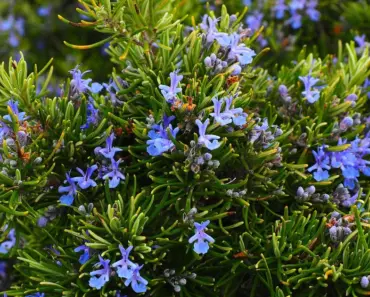
Deer love rhododendron leaves. In winter, when food is scarce, they will browse on your shrubs. This can ruin the shape of the plant. If deer are common in your area, you need a strategy. Fencing is the most effective solution. A physical barrier around the plant is a sure thing. Deer repellents can work, but they must be reapplied regularly, especially after rain. Some gardeners swear by planting strongly scented herbs like lavender or rosemary nearby to confuse deer. Unfortunately, there is no truly “deer-proof” rhododendron. Vigilance is key.
Preventing Winter Burn
We touched on this in Step 2. Winter burn is not a disease. It is a physiological problem caused by water loss. The leaves turn brown and crispy. To prevent it, choose a sheltered location. You can also apply an anti-desiccant spray in late fall. This spray coats the leaves with a waxy film that reduces water loss. It is a great insurance policy for exposed plants. You will also notice that evergreen rhododendrons curl their leaves down into tight tubes when it gets very cold. This is a natural defense mechanism. It reduces the surface area of the leaf. Do not panic if you see this. It means the plant is protecting itself.
Frequently Asked Questions About Planting Rhododendrons
When is the best time of year for planting rhododendrons?
The best time is early spring or early fall. Spring planting gives the roots the entire growing season to establish before winter. Fall planting allows the roots to settle in during the cool, moist weather. Avoid planting in the heat of summer or when the ground is frozen.
How far apart should I plant rhododendrons?
Spacing depends on the mature size of the variety. Check the plant tag for the expected width. As a general rule, space them 3 to 6 feet apart. Give them room to breathe. Good air circulation prevents fungal diseases. If you are planting a hedge, you can space them a little closer.
Why are my rhododendron leaves turning yellow?
Yellow leaves with green veins usually indicate chlorosis caused by high soil pH. Test your soil. You may need to add an acidifying fertilizer or elemental sulfur. Yellow leaves that drop off in summer can also mean the soil is too wet or too dry. Check your watering habits and drainage.
Can I grow rhododendrons in pots?
Yes, many compact varieties grow well in containers. Choose a large pot with drainage holes. Use a potting mix specifically designed for acid-loving plants. Container-grown rhododendrons need more frequent watering than those in the ground. They are also more susceptible to winter cold. In cold climates, move the pot to a sheltered location or wrap it in burlap for winter protection.
Are rhododendrons toxic to pets?
Yes, all parts of the rhododendron plant are highly toxic to dogs, cats, and horses. This includes the leaves, flowers, nectar, and seeds. Ingesting even a small amount can cause vomiting, drooling, and weakness. If you have pets that like to chew on plants, choose a different shrub for your garden. Always supervise your pets around these plants.
Rhododendrons reward patience and preparation. By following these seven steps, you transform a shady corner into a vibrant spring spectacle. Focus on the soil, choose the right location, and protect your plant from winter extremes. The result will be a stunning shrub that brings joy for decades.