Understanding Texas Rock Rose Before You Plant
If you have ever admired a plant that seems to thrive on neglect while delivering months of color, Texas rock rose might be your perfect match. This native shrub, known botanically as Pavonia lasiopetala, produces delicate pink blossoms from midsummer through fall. Its hibiscus-like flowers appear even during drought and high temperatures, making it a reliable choice for gardeners who want beauty without constant fuss. Before diving into the process of planting texas rock rose, it helps to understand what makes this plant so special and where it performs best.
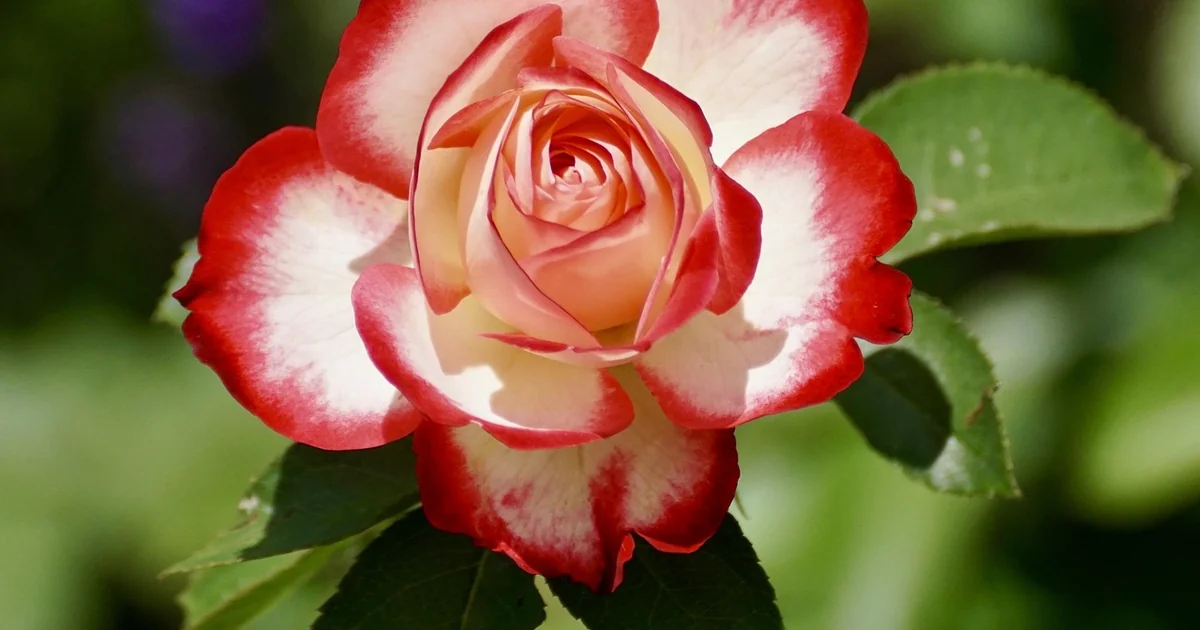
Texas rock rose naturally grows in the dry, rocky woods and limestone banks of its home state. It reaches about two to four feet tall and spreads three to four feet wide. The plant attracts bees, birds, hummingbirds, and butterflies, so it works beautifully in pollinator gardens. It also earned the Texas Superstar designation, meaning it has proven itself as a tough, low-maintenance performer. However, it is commonly short-lived, typically thriving in one spot for three to six years before declining. Knowing this upfront helps you plan accordingly and enjoy it while it lasts.
The Five Steps for Successful Planting Texas Rock Rose
Getting Texas rock rose established in your landscape does not require advanced gardening skills. Follow these five straightforward steps, and you will give your plant the best possible start. Each step addresses a specific challenge that gardeners face when planting texas rock rose, from choosing the right location to maintaining healthy growth through the seasons.
Step 1: Select a Sunny Spot with Well-Drained Soil
Texas rock rose grows and flowers best in full sun or light shade. In too much shade, the plant becomes leggy and produces fewer blooms. It also becomes more susceptible to powdery mildew, a fungal issue that thrives in damp, shady conditions. Choose a location that receives at least six hours of direct sunlight each day.
Soil drainage matters just as much as light. This shrub tolerates dry, lean soil and even poor fertility, but it cannot stand soggy roots. In its native habitat, it grows in rocky, fast-draining limestone soil. A neutral to slightly alkaline pH between 6.6 and 7.8 is ideal. If your garden has heavy clay soil that holds water, consider planting Texas rock rose in a raised bed or a slope where excess moisture can drain away. You can also amend the planting area with coarse sand or gravel to improve drainage before planting texas rock rose.
Step 2: Prepare the Planting Hole Correctly
Many gardeners make the mistake of digging a hole that is too small or too deep. For Texas rock rose, dig a hole at least twice the width of the root ball and equal in depth. This extra width allows the roots to spread outward into loose soil rather than circling inside a tight cavity. Wider holes also help the plant establish faster because the roots encounter less resistance as they grow.
Remove any rocks, weeds, or grass from the hole before placing the plant. Use the original soil you removed to backfill around the root ball. Do not add rich compost or potting mix to the backfill soil. Texas rock rose adapts better when it grows into the native soil around it. Adding rich amendments can create a contrast that discourages roots from spreading beyond the hole.
Step 3: Plant at the Proper Depth and Space Accordingly
One of the most common errors when planting texas rock rose is burying the root ball too deep. The top of the root ball should sit flush with the surrounding soil level. If you plant it deeper, the stem can rot, and the roots may struggle to get enough oxygen. Gently place the shrub in the hole, check the depth, and adjust by adding or removing soil beneath the root ball as needed.
Once the depth is correct, backfill with the original soil and tamp it down firmly to remove air pockets. Water the plant thoroughly after planting to settle the soil around the roots. Space multiple plants three to five feet apart. This spacing allows each shrub to reach its full width without crowding. Proper air circulation between plants also reduces the risk of powdery mildew and other fungal problems.
Step 4: Establish with Consistent Watering and Mulch
During the first growing season, Texas rock rose needs regular moisture to build a strong root system. Keep the soil consistently moist but not waterlogged. Water deeply once or twice a week depending on rainfall and temperature. The goal is to encourage roots to grow deep into the soil rather than staying near the surface.
Apply a two-inch layer of organic mulch around the base of the plant. Shredded bark, wood chips, or leaf mold work well. Mulch helps retain soil moisture, moderates soil temperature, and suppresses weeds. Keep the mulch a few inches away from the stem to prevent rot. After the first year, Texas rock rose becomes drought-tolerant and requires far less frequent watering. Overwatering, especially during winter, can kill the plant, so adjust your routine once it is established.
Step 5: Maintain with Pruning and Seasonal Adjustments
Texas rock rose grows naturally in a loose, open mound. Without pruning, it can become lanky by midsummer. To keep the plant compact and encourage more flowers, shear it back by a few inches every month during the growing season. Each round of shearing stimulates new growth and additional blooms.
If the plant becomes too leggy, you can cut it back by one-third in midsummer. For a more thorough rejuvenation, prune the entire shrub back to about six inches above the soil line in late winter or early spring. This hard pruning mimics the natural cycle of dieback and regrowth that Texas rock rose experiences in the wild. It also extends the plant’s productive life within its typical three-to-six-year span.
Ongoing Care for a Thriving Texas Rock Rose
Once your Texas rock rose is established, it requires very little attention. However, a few simple care practices will keep it looking its best and producing flowers from summer through fall.
Light, Soil, and Water
Full sun remains the best condition for vigorous growth and abundant blooms. In light shade, the plant still performs but may produce fewer flowers. The shrub tolerates a wide range of soil types as long as drainage is good. It grows taller in fertile soil but still thrives in lean, rocky ground. Once established, water only during extended dry periods. In winter, keep the soil on the drier side to prevent root rot.
Texas rock rose is hardy only in USDA Zones 8 and 9. In cooler climates, you can grow it as an annual or in a container that you move indoors during winter. It tolerates both heat and humidity well, making it a reliable choice for southern gardens.
Fertilizer and Pruning
Fertilizing Texas rock rose is not essential. In its native habitat, it grows in poor soil without any help. However, a single application of a balanced slow-release fertilizer in spring, just as new growth begins, can give the plant a gentle boost. Avoid heavy feeding, which can produce excessive leafy growth at the expense of flowers.
Pruning is the main maintenance task. Monthly light shearing keeps the plant dense and floriferous. The late winter hard prune to six inches above the soil rejuvenates the plant and keeps it from becoming too woody. If you skip pruning for a season, the plant will still bloom, but it will look more open and wild.
Common Challenges When Planting Texas Rock Rose
Even a low-maintenance plant like Texas rock rose can face problems. Knowing what to watch for helps you address issues early.
The Short-Lived Nature of the Plant
Many gardeners are surprised when their Texas rock rose declines after three to six years. This is not a sign of poor care. The plant naturally has a short lifespan. To keep it in your garden long-term, take softwood cuttings in spring and propagate new plants every couple of years. That way, you always have a young, vigorous shrub ready to replace an aging one.
Powdery Mildew in Shady Spots
Powdery mildew appears as a white, powdery coating on leaves, especially in shady, humid locations. The best solution is prevention. Plant Texas rock rose in full sun with good air circulation. If mildew does appear, prune affected branches and improve airflow around the plant. In most cases, the plant recovers without chemical treatment.
You may also enjoy reading: 7 Best Lawn Sweepers Spruce Tested.
Overwatering During Winter
Texas rock rose is drought-tolerant but sensitive to wet roots during its dormant period. If your garden has heavy soil or receives winter rain, ensure the planting site drains well. Container plants need even more attention because pots hold moisture longer in cool weather. Reduce watering frequency significantly from late fall through early spring.
Creative Ways to Use Texas Rock Rose in Your Landscape
Texas rock rose fits into many garden styles because of its compact size and long bloom period. It works well in foundation plantings, where its soft pink flowers soften the edges of a house. It also shines in perennial borders, rock gardens, and cottage-style gardens. Mass plantings of three to five shrubs create a striking drift of color from midsummer through frost.
Because it tolerates drought, Texas rock rose is an excellent choice for xeriscapes. Pair it with other native drought-tolerant plants like agave, yucca, or blackfoot daisy. The contrast between the soft, rounded form of rock rose and the spiky leaves of agave creates visual interest. You can also use it along walkways or curbsides, where its low, spreading habit softens hard edges.
Container gardening is another option. Choose a pot at least twelve inches in diameter with drainage holes. Use a well-draining potting mix and water more frequently than you would for in-ground plants. Container-grown Texas rock rose can be moved indoors to a bright, cool location during winter if you live outside Zones 8 or 9.
How to Propagate Texas Rock Rose for Future Plants
Given its short lifespan, learning to propagate Texas rock rose ensures you always have replacements ready. Softwood cuttings taken in spring root reliably with minimal effort.
Select a stem tip three to six inches long that does not have flower buds. Strip the leaves from the lower half of the cutting, leaving a few leaves at the top. Dip the cut end in rooting hormone powder, which speeds up root development. Insert the cutting about one inch deep into a damp potting mix. Keep the cutting warm and humid by covering it with a clear plastic bag or placing it in a propagation tray with a dome. Check for roots after three to four weeks by gently tugging on the cutting. Once you feel resistance, it has begun rooting and can be transplanted into a small pot.
Propagation is also a fun project to do with children. The process is simple enough for young gardeners to help with, and they can watch roots develop over a few weeks. It teaches patience and the satisfaction of growing new plants from existing ones.
Frequently Asked Questions About Planting Texas Rock Rose
When is the best time to plant Texas rock rose?
Early spring through fall works well, but earlier planting gives the roots more time to establish before winter. Spring planting is ideal because the plant has the entire growing season to develop a strong root system.
Can Texas rock rose grow in shade?
It can tolerate light shade but produces the most flowers in full sun. In deep shade, the plant becomes leggy and blooms sparsely. Shade also increases the risk of powdery mildew.
How often should I water Texas rock rose after planting?
During the first growing season, water regularly to keep the soil moist but not soggy. Once established, the plant is drought-tolerant and needs water only during extended dry periods. Avoid overwatering, especially in winter.
Does Texas rock rose need fertilizer?
Fertilizer is not required. The plant grows well in poor soil. If you want to give it a boost, apply a balanced slow-release fertilizer once in spring as new growth begins. Avoid heavy feeding.
Why is my Texas rock rose dying after a few years?
Texas rock rose naturally lives only three to six years. This is normal. To keep it in your garden, propagate new plants from cuttings every couple of years. Regular pruning can also extend its productive life slightly.
Planting texas rock rose is a rewarding experience for gardeners of all skill levels. Its tolerance for heat, drought, and poor soil makes it one of the easiest native shrubs to grow. By following these five steps and providing minimal care, you will enjoy months of delicate pink blooms that attract pollinators and brighten your landscape. And when the plant eventually reaches the end of its natural life, you will already have new cuttings ready to take its place.