If you have ever admired the enormous, trumpet-shaped flowers of a tropical hibiscus, you already understand why gardeners work so hard to keep them happy. These sun-loving shrubs produce blossoms that can reach the size of dinner plates, in colors ranging from deep burgundy to creamy peach. The only shade you will not find is true blue. With dozens of single- and double-flowered varieties available, growing tropical hibiscus offers a rewarding way to add bold, long-lasting color to your outdoor space.
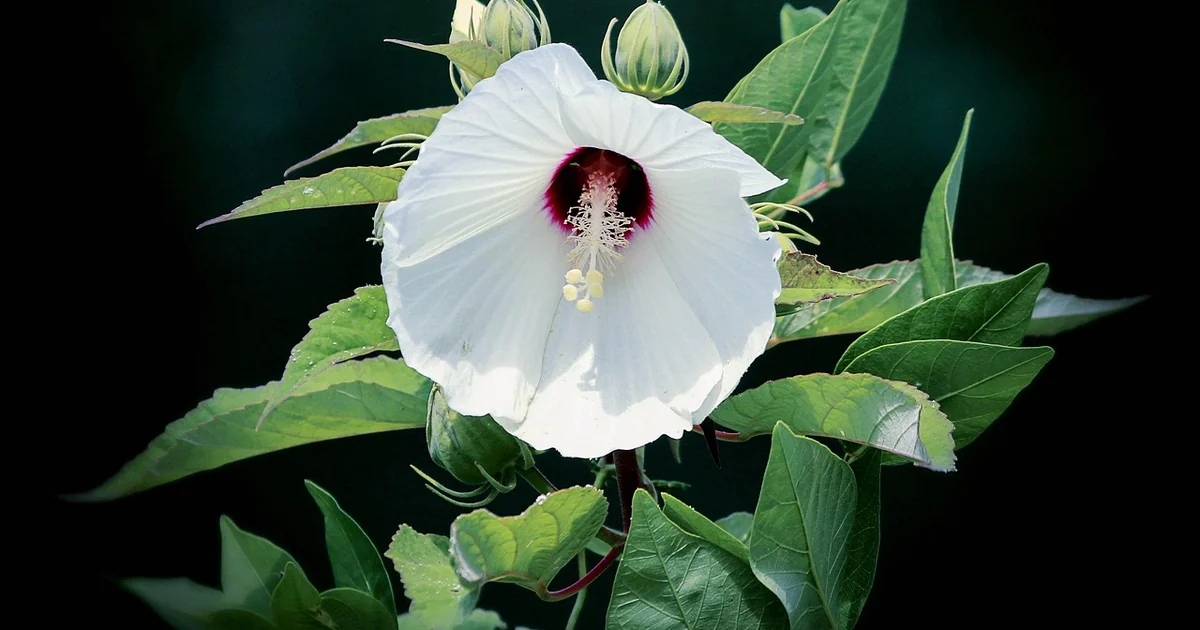
Though they cannot tolerate frost, tropical hibiscus (Hibiscus rosa-sinensis) will bloom from late spring until the first chill of autumn if given the right care. Even gardeners in colder regions can enjoy them by overwintering container plants indoors. This guide covers five essential tips that address the most common challenges people face when trying to keep these plants thriving.
Tip 1: Choose a Sun-Drenched Spot with Well-Draining Soil
Location sets the stage for everything. Tropical hibiscus demands at least six to eight hours of direct sunlight each day to produce its signature show of flowers. In the hottest parts of the afternoon, a little shade can prevent leaf scorch, but too much shade quickly reduces bloom count.
Equally important is soil that drains quickly. These plants develop root rot if left sitting in soggy ground. Aim for a loamy mix that is rich in organic matter and has a slightly acidic to neutral pH between 6.0 and 7.0. If your native soil is heavy clay, consider building a raised bed or growing in a container.
Understanding Hardiness Zones
Tropical hibiscus is reliably perennial only in USDA zones 10 and 11, along with the warmest pockets of zone 9. In those regions, nighttime temperatures stay above 50°F year-round. If your area sees even a light freeze, the plant will die unless protected. For gardeners in zones 8 and below, container culture with indoor overwintering is the only viable path for growing tropical hibiscus outdoors during summer.
A helpful data point: tropical hibiscus stops growing when temperatures drop below 60°F (about 15.5°C), and growth halts entirely below 50°F. Freezing temperatures kill the plant outright. Checking your local frost dates before planting saves disappointment.
Tip 2: Plant at the Correct Time and Depth
Early spring provides the best window for planting. The soil should be workable and all danger of frost passed. In warm climates, you can plant as early as March; in cooler zones, wait until nighttime temperatures stay above 60°F consistently.
Before digging, amend the soil with compost or aged manure to boost organic content and improve drainage. Dig a hole slightly wider than the nursery container — about twice the width is ideal — but no deeper. The planting depth must match the level the plant was growing in its pot. Burying the stem encourages rot; setting it too high exposes roots.
Gently loosen any circling roots from the rootball with your fingers. Place the plant in the hole, backfill with the amended soil, and press down to remove air pockets. Water thoroughly immediately after planting to settle the soil.
A Note on Spacing
Mature tropical hibiscus shrubs can reach 8 to 15 feet tall and 4 to 8 feet wide. If you are planting multiple shrubs, space them at least 4 feet apart to allow for air circulation and future growth. Overcrowding invites fungal diseases and reduces bloom visibility.
Tip 3: Master Watering and Humidity
Watering is where many well-intentioned gardeners run into trouble. Tropical hibiscus needs consistent moisture, especially during hot summer months when flower buds can drop from heat stress if the soil dries out. Yet overwatering leads to yellow leaves and root rot.
During peak summer, plan to water daily — sometimes even twice a day if temperatures exceed 90°F and the plant is in full sun. The goal is moist, not soggy, soil. Check by sticking a finger an inch into the soil; if it feels dry, it is time to water. Reduce frequency in cooler weather and during autumn.
Humidity Requirements
These tropical plants thrive when relative humidity stays at 50 percent or higher. In arid climates or during dry indoor winters, leaves may curl and edges turn brown. To boost humidity around outdoor plants, group them together or place a shallow tray of water nearby. For container plants brought indoors, a small humidifier or regular misting helps maintain leaf health.
A useful technique: mulch the soil surface with 2 to 3 inches of organic bark or straw. Mulch keeps the root zone cool, slows evaporation, and reduces watering frequency by about 30 percent according to many nursery trials.
Tip 4: Fertilize for Continuous Blooms
Tropical hibiscus is a heavy feeder. Its constant production of large flowers demands a steady supply of nutrients. At planting time, work a balanced granular fertilizer such as 10-10-10 into the soil according to package directions.
Once the plant is established and actively growing, switch to a fertilizer with a higher nitrogen and potassium ratio. A 12-4-8 analysis is widely recommended by hibiscus specialists because it supports leaf growth and flower development without encouraging excessive phosphorus buildup in the soil. Apply every two weeks from early spring through late summer.
You may also enjoy reading: 13 Best Night Lights: Tested & Reviewed.
Choosing the Right Formulation
Slow-release fertilizer granules work well for container plants, providing a steady feed for up to three months. For garden plants, liquid fertilizers applied every other week give you more control. Look for formulations specifically labeled for hibiscus or flowering tropical plants. Avoid high-phosphorus bloom boosters; they can interfere with micronutrient uptake and cause leaf yellowing over time.
Important: stop fertilizing about six weeks before your first expected frost. This allows the plant to slow down naturally as it prepares for winter dormancy or indoor relocation.
Tip 5: Prune, Repot, and Overwinter with Care
Pruning shapes the plant and encourages bushier growth. The best time to prune tropical hibiscus is early spring, just before the growing season kicks into high gear. Remove any dead, damaged, or crossing branches. Cut back leggy stems by about one-third to encourage branching and more flower buds.
For container-grown plants, repotting every one to two years prevents root binding. Choose a pot only 2 inches larger in diameter than the current one. Use a general-purpose potting mix with good drainage. After repotting, wait at least three weeks before resuming fertilizer to allow roots to settle.
Overwintering Indoors
Gardeners in cold climates can still enjoy growing tropical hibiscus year after year by bringing containers indoors before the first frost. Move the plant to a bright, cool location (around 60°F) with lower light. Growth will slow dramatically, and buds that form indoors will likely drop — pinch them off to conserve the plant’s energy. Water sparingly, only when the top inch of soil feels dry. Resume normal care in early spring.
During indoor overwintering, watch for common pests such as aphids, mealybugs, and scale insects. A weekly inspection and treatment with insecticidal soap or neem oil keeps infestations under control. Caterpillars are less common indoors but can be picked off manually if they appear.
Frequently Asked Questions About Growing Tropical Hibiscus
Can tropical hibiscus survive winter outdoors in cold climates?
No. Tropical hibiscus cannot tolerate freezing temperatures. In USDA zone 8 and colder, it must be treated as an annual or overwintered indoors. Only hardy hibiscus (Hibiscus moscheutos) survives winter in the ground north of zone 9.
How often should I water my tropical hibiscus in summer?
During hot, sunny weather, daily watering is often necessary. Check the soil moisture an inch below the surface. If it feels dry, water thoroughly. In extremely high heat (above 90°F), you may need to water twice a day to prevent bud drop. Reduce watering immediately if you notice yellowing leaves or soggy soil.
What is the best fertilizer for tropical hibiscus?
A fertilizer with a 12-4-8 N-P-K ratio is ideal for established plants. It provides higher nitrogen for foliage and potassium for flower production. Avoid formulas high in phosphorus (the middle number) because excess phosphorus can block the uptake of iron and other micronutrients. Slow-release granular or liquid formulations both work well when applied every two weeks during the growing season.
Why are my tropical hibiscus leaves turning yellow?
Yellow leaves commonly indicate one of three problems: overwatering, nutrient deficiency, or pest stress. Check the soil moisture first — if the soil feels soggy, let it dry out before watering again. If the soil is dry but leaves are yellow, consider a lack of nitrogen or iron. Apply a balanced fertilizer and, if needed, supplement with chelated iron. Inspect the undersides of leaves for aphids or spider mites, which can also cause yellowing.
Can I grow tropical hibiscus indoors all year long?
Yes, but with caveats. Indoors, tropical hibiscus needs a very bright spot — a south-facing window with direct sun for at least six hours. Without enough light, it will not bloom and may become leggy. Indoor humidity below 50 percent can cause leaf edges to brown. You can maintain blooms year-round if you provide supplemental grow lights and consistent humidity, though many gardeners allow a winter rest period with cooler temperatures (around 60°F) and less water to give the plant a break.