Expert Tip #1: Mastering Location and Timing — Core Weigela Planting Tips
Sunlight is the single most important factor influencing the long-term health of your weigela. These shrubs need a minimum of six hours of direct sunlight each day. With less light, the number of flower buds decreases dramatically. The foliage, especially on golden or burgundy varieties like ‘Wine & Roses,’ will also fade to a dull green instead of displaying its trademark rich color.
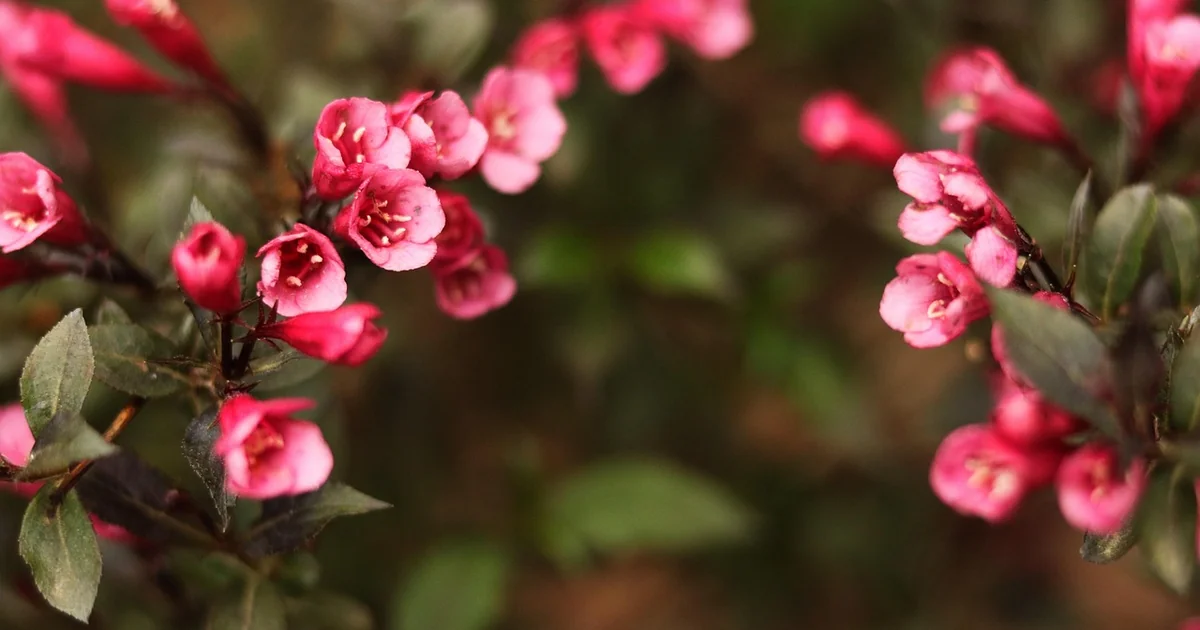
Wind exposure is an often overlooked factor when selecting a planting site. Weigela leaves are relatively broad and soft. In exposed, windy locations, they lose moisture faster than the roots can absorb it. This leads to leaf scorch, stunted growth, and a generally unhappy plant. A wall, a fence, or the shelter of larger evergreens creates the perfect microclimate.
Soil quality matters more than most gardeners initially realize. A simple soil test kit from your local extension service reveals your pH level. Weigela prefers mildly acidic soil, ideally between 5.5 and 7.0. If your soil runs alkaline, incorporating elemental sulfur or plenty of organic matter like pine bark will bring it into the correct range.
Timing your planting is equally critical to success. Late fall, after the shrub has gone dormant but before the ground freezes solid, is an ideal moment. The roots will establish quietly over the winter months, giving the plant a massive head start for the following spring. Early spring, just after the ground thaws and the risk of hard frost passes, is the second best option. Avoid planting in the heat of summer, as the stress of high temperatures makes it difficult for the roots to establish.
Planning for your shrub’s mature size prevents headaches later. Dwarf varieties such as ‘My Monet’ stay compact and modest. Larger types like ‘Bristol Ruby’ can reach 6 feet in both height and spread. Giving them adequate space right now ensures good airflow and robust growth for years to come.
Expert Tip #2: Prepare the Planting Hole Like a Professional Gardener
The way you prepare the planting hole has a huge impact on how quickly your weigela settles into its new home. Begin by watering the shrub thoroughly in its nursery container about an hour before you start digging. This hydrates the root system and helps the root ball hold together when you remove it from the pot.
Dig a hole that is two to three times as wide as the root ball but exactly as deep as the container itself. The wide hole allows the roots to expand easily into loosened, welcoming soil. Keeping the depth correct is vital. Planting too deep suffocates the roots and invites stem rot. Planting too shallow exposes the root ball to drying air.
Take a moment to inspect the root ball before placing it in the hole. If you see roots circling the inside of the pot, the plant has become root-bound. Use a sharp knife to make two or three vertical cuts from the top to the bottom of the root ball. Gently tease the roots outward with your fingers. This encourages them to grow out into the surrounding soil rather than continuing to circle.
Backfill the hole using the native soil you originally removed. Avoid the temptation to add large quantities of compost or peat moss directly into the backfill. If your soil is heavy clay, consider planting the weigela in a slightly raised berm to guarantee proper drainage.
Water deeply and slowly after planting to settle the soil and remove any trapped air pockets. Create a small basin around the plant with a ring of leftover soil to catch rainwater. Finish the job by applying a 2 inch layer of shredded bark or pine straw as mulch. Keep the mulch a few inches away from the main stem to prevent moisture from building up against the bark.
Expert Tip #3: Weigela Planting Tips for Water and Fertilizer Management
Consistent moisture is non-negotiable during the first growing season. Plan to provide about one inch of water per week if rainfall does not do the job for you. Deep watering encourages deep root growth, which builds the plant’s natural drought tolerance for the future.
How can you tell if you are watering correctly? Check the soil moisture by sticking your index finger a few inches into the ground near the root zone. If it feels dry at that depth, it is time to water. Apply the water slowly and directly at the base of the plant. Avoid overhead watering late in the day, as wet foliage overnight encourages fungal diseases like powdery mildew.
Fertilization for weigela should be thoughtful and minimal. A balanced, slow-release fertilizer with an N-P-K ratio of 10-10-10 or 5-5-5 works beautifully. Apply it once in early spring as the buds begin to swell. Sprinkle the granules around the drip line of the shrub, not directly against the stem, and water it in well.
Signs of nutrient imbalance are relatively easy to spot on weigela. If the leaves turn pale yellow or light green and the growth seems slow, a lack of nitrogen may be the culprit. Conversely, if the plant produces large, lush green leaves but very few flowers, you may be over-fertilizing with nitrogen. Cutting back on the food will usually restore the bloom balance the following season.
Expert Tip #4: Prune Strategically for Season-Long Shape
Understanding the blooming cycle of weigela is essential to pruning it correctly. Weigela blooms on what gardeners call “old wood.” This simply means the flower buds for the current spring were formed during the previous summer and fall. If you prune in late summer, fall, or early spring, you are literally cutting off next season’s flowers.
The golden rule of weigela pruning is to do it immediately after the spring flush of flowers begins to fade. This timing gives the shrub the entire summer and fall to produce new stems and set buds for the following year. A quick trim right after blooming does not interrupt the natural cycle.
Start your pruning session by removing any dead, diseased, or damaged branches at ground level. Next, identify the oldest, thickest stems. Using a pair of loppers, cut these thick stems off at ground level or just above a low side branch. Removing about one third of the oldest growth each year keeps the center of the shrub open to light and air.
Shaping the plant is largely a matter of personal taste. For a natural, arching form, trim back overly long shoots to a point just above a leaf node or side branch. This encourages the plant to fill out nicely.
You may also enjoy reading: 13 Best Night Lights: Tested & Reviewed.
Dwarf and compact varieties require very little hands-on work. For these smaller shrubs, simply pinch back the tips after blooming to encourage bushiness, or remove any errant stems that disrupt the rounded shape. That is usually all they need.
Expert Tip #5: Propagate Weigela to Expand Your Garden Collection
One of the most enjoyable aspects of growing weigela is discovering how easily it propagates from cuttings. Softwood cuttings are taken in late spring or early summer when the new growth is flexible but snaps cleanly when bent sharply. This is the easiest method for most home gardeners.
To take a softwood cutting, select a healthy stem that is not currently flowering. Using clean, sharp pruners, cut a 4 to 6 inch piece just below a leaf node. Remove the leaves from the lower half of the cutting, leaving two or three sets of leaves at the top. This reduces moisture loss while still allowing for photosynthesis.
Dip the bottom end of the cutting into a rooting hormone powder. This step significantly increases the success rate. Stick the cutting into a small pot filled with a moist, well-draining medium like a 50/50 mix of perlite and peat moss. Cover the pot with a clear plastic bag to create a humid, mini-greenhouse environment.
Place the pot in a warm location that receives bright, indirect light. Direct sun will cook the cutting inside the bag. Roots typically form in three to four weeks. You can check for progress by gently tugging on the cutting. If you feel resistance, roots have formed and the new plant is ready to be transitioned to normal growing conditions.
For the patient gardener, hardwood cuttings offer another path. In late fall, after the leaves have dropped, take 10 to 12 inch cuttings from pencil-thick stems. Bundle them, label them, and store them in a cool, damp place over the winter. In early spring, stick them directly into the garden soil. They will root and leaf out on their own schedule.
Frequently Asked Questions About Weigela Planting and Care
Q: When is the absolute best time to plant weigela in my garden?
A: The ideal planting windows are late fall, about four to six weeks before the ground freezes hard, or early spring just after the last frost date in your area. Fall planting allows the root system to establish quietly over the winter, giving the plant a strong start in spring.
Q: Why did my weigela produce plenty of leaves this year but hardly any flowers?
A: This is a common frustration. The most frequent causes are insufficient sunlight, pruning at the wrong time, or over-fertilization with a high-nitrogen formula. Make sure your shrub gets at least six hours of sun and that you only prune right after the bloom period ends.
Q: Can I successfully grow weigela in a large container or planter?
A: Yes, absolutely. Dwarf varieties are excellent choices for container gardening. Ensure the pot has large drainage holes, use a high-quality potting mix, and water more frequently than you would for ground-planted weigela, as containers dry out faster.
Q: How fast does a newly planted weigela grow?
A: Weigela is considered a moderate to fast grower. Under optimal conditions, you can expect it to grow between 13 and 24 inches per year, reaching its full mature size within a few seasons.
Q: What is the best defense against common pests like aphids and spider mites?
A: The first line of defense is a strong blast of water from a garden hose. This knocks the pests off the leaves safely. For persistent infestations, insecticidal soap or neem oil applied according to the label instructions works very effectively.