Late summer arrives, and while many perennials fade, the Rose of Sharon bursts into a spectacular display of trumpet-shaped flowers. Yet this beauty comes with a catch. Without intervention, it grows leggy, top-heavy, and wild. Understanding the basics of rose of sharon pruning is the secret to keeping this shrub compact, healthy, and covered in massive blossoms. The plant is remarkably forgiving, but a few deliberate cuts at the right time make the difference between a tangled thicket and a garden centerpiece.
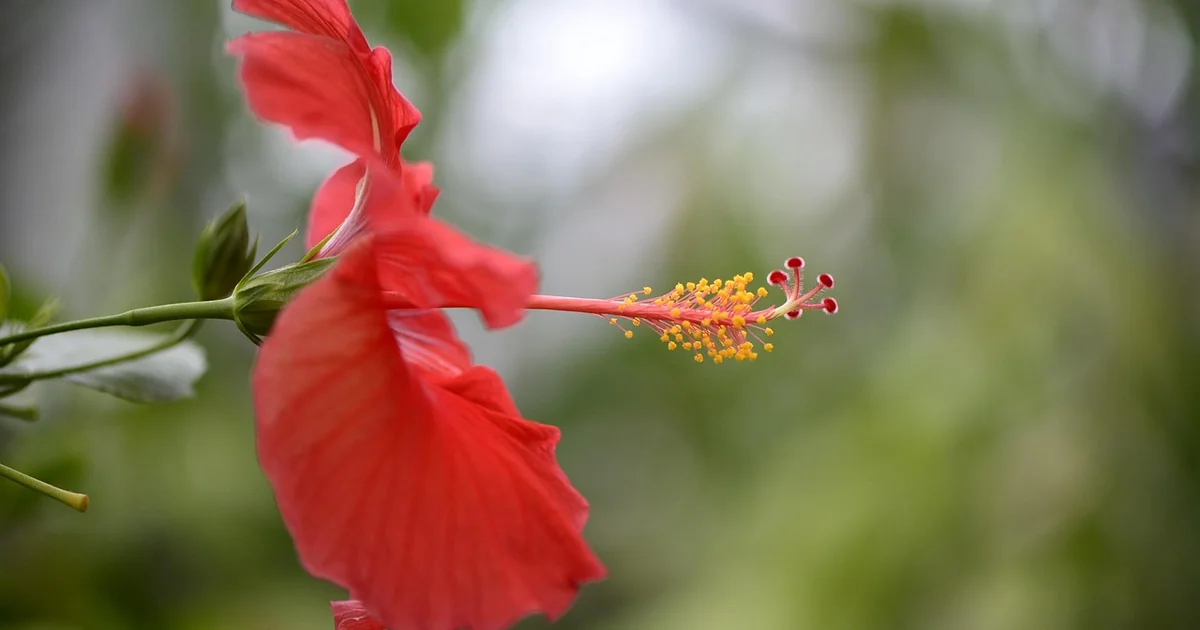
Why Pruning Matters for Rose of Sharon
Rose of Sharon, scientifically known as Hibiscus syriacus, blooms exclusively on new wood. This means the flowers appear on growth that develops during the current season. If you trim too late in the spring, you slice off the developing buds and forfeit the summer show. Pruning during dormancy, however, sends a clear signal to the plant to concentrate its energy into fewer, stronger shoots. The result is fewer flowers overall, but each one grows significantly larger. Dormant cuts also reduce the risk of infection. When sap flow is slow and insects are scarce, open wounds heal faster and cleaner.
These five techniques cover everything from basic maintenance to extreme makeovers. Each one addresses a specific problem that gardeners commonly face with this vigorous shrub.
1. Master the Timing: Prune While the Plant Sleeps
The window for rose of sharon pruning is narrow but predictable. Aim for late winter or very early spring, just before the buds begin to swell. In most regions, this falls between mid-February and early April. Look for the moment when the threat of hard frost has passed, but the branches still look bare and gray. If you see green tips emerging, you have waited too long. At that point, limit yourself to removing only dead or damaged limbs. Heavy cutting after bud break will drastically reduce your flower count for the year. This timing is not just about blooms. It protects the plant from disease. Dormant wood is dry, and pruning wounds dry out quickly, sealing off entry points for fungal spores.
2. Choose Quality Over Quantity: The Size vs. Blooms Trade-off
Here is a truth that surprises many gardeners. The less you prune a Rose of Sharon, the more flowers it produces. A completely unpruned bush will generate hundreds of small, dime-sized blooms. Proper pruning flips this equation. By removing a significant portion of the wood, you force the plant to channel all its resources into the remaining buds. Those buds then develop into flowers that can reach three to four inches across. You have to decide which visual effect you prefer. Do you want a cloud of dainty color or a display of bold, statement-making blossoms? If you choose the latter, do not be timid with your cuts. Removing up to one-third of the overall wood each year is a safe target for maximizing bloom size.
3. Use the Right Tools and Make Clean Cuts
Sharp tools are non-negotiable. Dull blades crush the stems rather than slicing them. Crushed bark invites disease and slows healing. For most branches, a pair of sharp bypass pruners works well. For thicker, older limbs, switch to loppers or a bow saw. Before you make a single cut, sterilize the blades with isopropyl alcohol. This simple step prevents the spread of canker and blight from one branch to the next. When you inspect a branch, look for the small bumps called nodes. You want to keep the two or three nodes closest to the center of the plant. Make your cut at a 45-degree angle, about a quarter-inch above an outward-facing node. This angle sheds rainwater and directs the new growth outward, away from the congested center of the bush.
4. Open Up the Center for Better Airflow
As a Rose of Sharon matures, the inner branches become a dense tangle. This lack of airflow creates a humid, stagnant environment where powdery mildew and leaf spot thrive. To fix this, practice thinning cuts. Start by removing the three D’s: dead, damaged, and diseased wood. Then remove any branches that cross and rub against each other. Finally, select the oldest, thickest stems growing from the center and cut them all the way to the ground. Removing these thick canes opens up the interior of the shrub. Sunlight reaches the lower branches, and air moves freely through the plant. This reduces disease pressure and encourages growth on the lower part of the stems, preventing that bare-legged look so common on neglected shrubs.
5. Rejuvenate Overgrown Shrubs with Hard Pruning
Sometimes a Rose of Sharon gets completely out of hand. It towers over the window, shades out smaller plants, and blooms only at the very top. Do not despair. This plant responds brilliantly to rejuvenation pruning. In late winter, cut the entire shrub back to about six to twelve inches from the ground. Alternatively, you can reduce the height of the older branches by roughly two-thirds. Leave the younger, thinner branches in place so the plant can continue photosynthesizing. This drastic method will set the blooming cycle back by a season, but it restores vigor. The following year, the plant will send up strong, healthy shoots from the base. Within two growing seasons, you will have a compact, bushy shrub that blooms from top to bottom.
Should You Deadhead Rose of Sharon?
Deadheading is a form of pruning that focuses on spent flowers. Once the petals drop, a seed pod begins to form. If you snip off the flower head before the pod matures, you prevent reseeding. Rose of Sharon is notorious for self-seeding aggressively. Those tiny seedlings pop up in lawns, flower beds, and cracks in the pavement. If you want to control the spread, deadheading is essential. It also keeps the plant looking tidy. However, there is a trade-off. The seed pods provide food for birds in the winter. If you want to attract goldfinches and other songbirds, leave the pods in place. The choice depends entirely on your landscape goals. If you deadhead, make the cut just behind the swollen base of the flower, above the first set of leaves.
You may also enjoy reading: 7 Tips for More Cucumbers Per Plant.
Frequently Asked Questions About Rose of Sharon Pruning
Can I prune rose of Sharon in the summer?
Light summer pruning is acceptable. You can remove spent flowers or trim a single stray branch that ruins the shape. Heavy cutting in summer removes next year’s flower buds and stresses the plant during hot weather. Save major reshaping for late winter.
Why didn’t my rose of Sharon bloom this year?
The most common reason is pruning too late in the spring. If you cut the branches after the buds have formed, you remove the flowers. Another cause is lack of sunlight. Rose of Sharon needs full sun, at least six hours per day, to bloom heavily.
How do I prune a rose of Sharon tree (standard)?
A tree form has a single main trunk with a rounded canopy on top. Focus on removing suckers that sprout from the base of the trunk. Also remove any branches that grow below the main canopy. Lightly shape the top to maintain a balanced, round form.
Is it okay to prune rose of Sharon in the fall?
Fall pruning is risky. It can stimulate new tender growth that will be killed by the first frost. This damages the plant and wastes its energy. It is much safer to wait until the plant is fully dormant in late winter.
How do I stop rose of Sharon from spreading?
The most effective method is diligent deadheading before the seed pods dry and burst open. You can also apply a thick layer of mulch around the base of the plant to suppress any seedlings that do drop. Pulling up young seedlings when they first appear in spring is quick and easy.