Imagine stepping into your backyard at dusk. The air smells of damp earth and ripening tomatoes. You are winding down for the evening, a cold drink in hand. Then you see them: dark, darting shapes against the twilight sky. Your first thought might be of rabies or tangled hair. But what if those flying shadows are actually one of the best things that can happen to your garden?
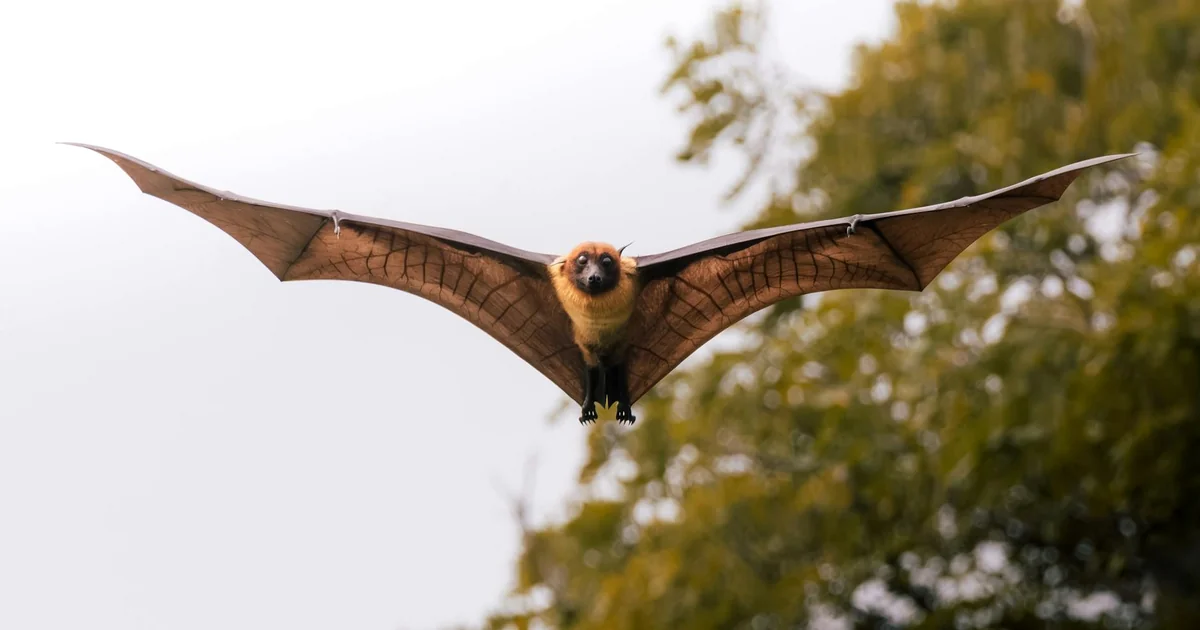
For many homeowners, seeing bats in garden spaces triggers an immediate urge to call for help. Before you panic, it helps to understand what their presence actually means. The sight of bats swooping overhead is often a sign of a healthy ecosystem, not a horror movie. However, it can also be a subtle clue about your property. We have gathered seven essential secrets from pest control professionals and wildlife experts to help you interpret bat activity and manage it wisely.
Secret 1: Swirling Bats Are a Yellow Flag, Not a Red One
When you spot bats circling your yard, your first instinct might be fear. Yet, according to wildlife specialists, this behavior is usually a good sign. Bats are foraging for insects. They are providing free pest control for your garden.
However, bat mitigation experts point out that bats typically stay close to their roost when feeding. They do not travel 30 or 40 miles every night. If you see a consistent swarm of bats in garden areas, it strongly suggests a roost is nearby. This roost could be in a tree, a neighbor’s shed, or potentially, or your own attic.
Consider it a yellow flag. It is not a reason to panic, but it is a reason to investigate. Start looking for the source. Check your roofline, eaves, and attic vents for signs of entry. Biologists who study these creatures often call them keystone species. This means their presence has a disproportionately large effect on their environment. Without bats, insect populations would surge, and certain plants would fail to reproduce. When you see them, you are witnessing a keystone species at work.
Secret 2: One Bat Is a Living, Breathing Pest Control Machine
Let us talk about appetite. A single bat can consume between 6,000 and 8,000 insects in a single night. That is a staggering number. For the gardener, this means fewer moths laying eggs on your squash vines. It means fewer beetles chewing holes in your lettuce leaves.
Biologists explain that bats are particularly effective at controlling nocturnal pests. They target cucumber beetles, corn earworm moths, and leafhoppers. These are the very insects that cause significant damage to vegetable gardens. A single colony of 150 bats can protect over 30 acres of crops from corn earworms. This is not just theory; it is practical, proven agriculture.
Instead of reaching for chemical pesticides, encouraging bats in garden environments offers a natural, sustainable alternative. It reduces your exposure to harsh chemicals and protects beneficial insects like bees during the day. Farmers in parts of Texas have successfully reduced pesticide use by over 50% simply by installing bat boxes.
Secret 3: Bat Guano Is a Soil Superfood (With Strict Rules)
Bat droppings, known as guano, have been used as fertilizer for centuries. They are rich in nitrogen, phosphorus, and potassium. These three elements are the foundation of healthy plant growth. Professional gardeners value guano for its ability to improve soil structure and promote vigorous flowering.
However, there is a critical warning that comes with this secret. Never use guano collected from an attic or closed space. It can harbor the fungus that causes histoplasmosis, a serious respiratory illness. The fungus Histoplasma capsulatum thrives in nitrogen-rich environments like accumulated bat droppings. When disturbed, the spores become airborne. Inhaling them can cause flu-like symptoms that persist for weeks.
The guano that falls to the ground in your garden and gets broken down by weather and soil microbes is generally safe. But if you find a pile of it in your attic, do not bag it up for your roses. Call a professional for safe removal. Commercially treated guano, which has been heat-sterilized, is a fantastic organic amendment. It gives your plants a powerful boost without the health risks.
Secret 4: Your Margarita Depends on Bats
Most people know bees are pollinators. Few realize that bats are just as critical, especially for night-blooming plants. In the deserts of the Southwest and across tropical regions, bats are the primary pollinators of agave plants. Without bats, agave would not reproduce. Without agave, we would have no tequila.
This connection extends to other plants too. While bees own the day shift, bats own the night. Over 300 species of fruit-bearing plants depend on bats for pollination or seed dispersal. Bats pollinate saguaro cacti, mangoes, bananas, dragon fruit, and guava. By supporting bats in your local area, you are contributing to the genetic diversity of these global food staples.
You may also enjoy reading: 5 Climate-Resilient Garden Ideas & Perfect Plants.
If you have a bat-friendly garden, you are supporting a global pollination network. You are helping maintain biodiversity that extends far beyond your backyard fence. Seeing bats in your yard means you are part of a larger ecological success story.
Secret 5: Build a Bat Box the Right Way
If you want to attract bats safely, give them a designated home. A bat box is like a birdhouse, but designed for the specific needs of roosting bats. Placing one in your yard can encourage bats to roost there instead of your attic. Here are the professional rules for bat box installation:
- Height: Mount the box 10 to 16 feet off the ground.
- Location: Place it on a pole or the side of a building, away from large trees to avoid predators.
- Sunlight: Bats need warmth to raise their young. Face the box south or southeast to capture the morning sun. It should receive at least 6 hours of direct sunlight daily.
- Water: Place it near a water source, like a pond or birdbath.
- Light Pollution: Keep it away from bright outdoor lights. Bats prefer darkness.
The box itself should be at least 24 inches tall and 12 inches wide. The landing area should extend below the entrance. The interior must be roughened or covered with plastic mesh so bats can cling easily. Installing a bat box is a proactive step. It gives bats a safe place to rest during the day. It gives you peace of mind knowing exactly where they are.
Secret 6: Plant a Nighttime Buffet for Incoming Bats
You cannot force bats to eat from your garden, but you can make it irresistible. The key is to plant native species. Native plants attract native insects. Native insects are the primary food source for local bats. Consider adding night-blooming flowers to your landscape. Plants like evening primrose, moonflower, and night-blooming jasmine open their petals at dusk. They attract moths, which in turn attract bats.
Creating a diverse habitat with shrubs, trees, and open spaces gives bats room to hunt. Plants like dill, fennel, and cosmos attract a wide range of beneficial insects. While bees visit them during the day, the insects they support are active at night. This creates a continuous food web. Avoid using broad-spectrum pesticides. If you kill the insects, the bats will have no reason to visit. A healthy bat population is a direct reflection of a healthy insect population.
Secret 7: Know the Line Between Visitor and Tenant
How do you know if bats are just visiting your garden or living in your house? The answer lies in observation. If you see bats swooping at dusk and then disappearing into the distance, they are likely roosting elsewhere. If you see bats flying directly into your roofline, under eaves, or into a gap in your siding, you have tenants.
Signs of a roost inside include:
- Staining around entry points from body oils.
- Squeaking or scratching sounds in the walls or attic at dusk and dawn.
- Piles of guano on insulation or below entry points.
- Ammonia-like odors from accumulated droppings.
If you suspect an infestation, timing is everything. Never perform exclusion during the maternity season, typically May through July. You will trap flightless baby bats inside the attic, leading to starvation and a terrible odor. The best time for exclusion is late August or early spring, before pups are born or after they can fly. A professional will install a one-way door that allows bats to leave but not return. This ensures the bats are not harmed and they do not come back inside your home.
Seeing bats in garden spaces does not have to be a source of stress. With the right knowledge, you can appreciate them as the efficient pest controllers and pollinators they are. By following these seven secrets, you can create a balanced yard that supports wildlife while protecting your home. The next time you see a shadow at dusk, you might just smile, knowing your garden is thriving.