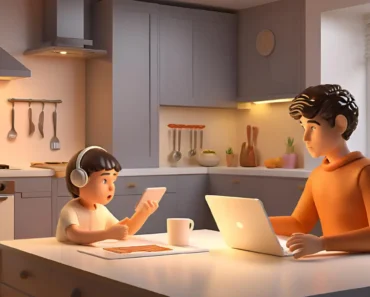
For most children, the last Monday in May signals the start of summer. They imagine sleeping in, splashing in a pool, or enjoying a barbecue with family. Very few kids instantly connect the date to national remembrance. Yet, framing the day with the right context can turn a simple weekend off into a meaningful family tradition. If you are wondering how to explain memorial day to your little ones without overwhelming them, the answer lies in meeting them where they are developmentally. Clinical experts note that skipping the meaning entirely makes it easy for the day to become just about fun and not about reflection. By taking a few intentional steps, you can build a foundation of respect and gratitude that grows with them.
Tip 1: Start with the “Why” Before the Fun Begins
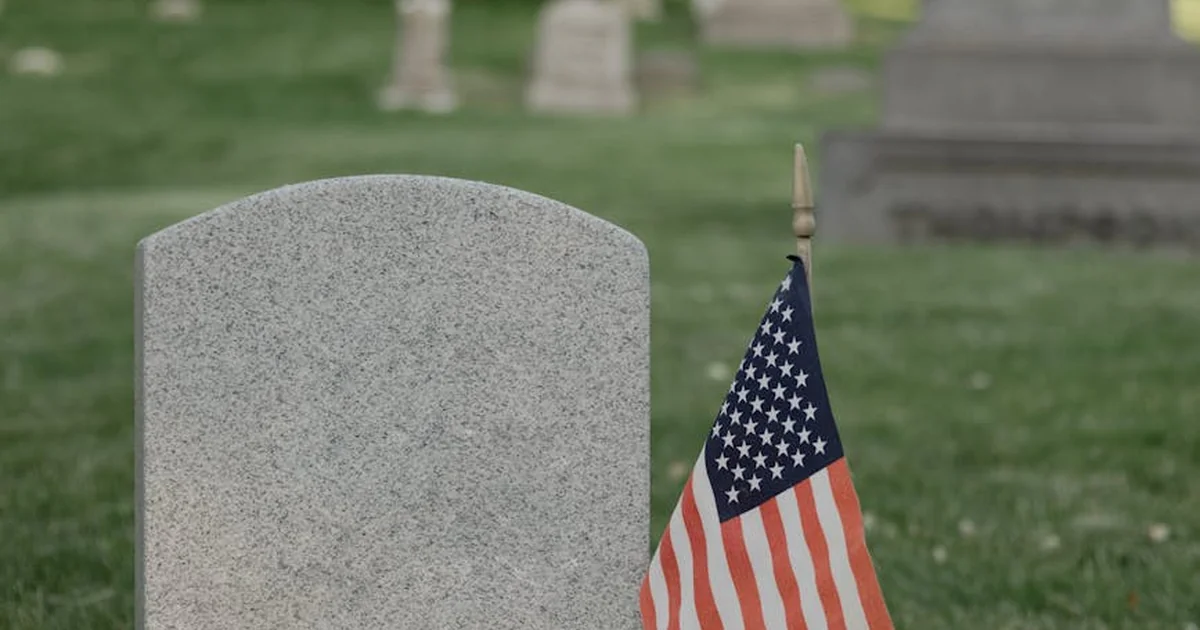
The biggest challenge parents face is the stark contrast between the solemnity of the holiday and the excitement of a three-day weekend. Kids see advertisements for pool supplies and mattress sales. They hear about block parties and family reunions. Without a parent framing the context, the original purpose of the day fades entirely. Since 1971, when the Uniform Monday Holiday Act standardized the observance, Memorial Day has marked the unofficial start of summer. But its roots trace back to the Civil War era, when communities decorated the graves of fallen soldiers.
The Danger of a Meaningless Day Off
When we skip the explanation, we miss a crucial character-building opportunity. Discussing Memorial Day helps children build respect for others. It strengthens their connection to the community. It gives them a tangible understanding of service. Dr. Sanam Hafeez, a neuropsychologist based in New York, emphasizes that allowing the day to pass without reflection turns it into pure recreation. She argues that even a light touch on the topic is better than total silence. The goal is to weave a thread of awareness into the fabric of the weekend.
How to Gauge What They Already Know
Before launching into a history lesson, ask a simple question. Dr. Tori Sacha Cordiano, a licensed clinical psychologist, suggests opening with, “What do you know about Memorial Day?” You can also ask if they discussed it in school. Their answer gives you a perfect entry point. You can correct misconceptions without lecturing. This simple dialogue respects their existing knowledge and invites deeper curiosity. It transforms the conversation from a monologue into a shared discovery.
Tip 2: Keep It Brave and Basic for Preschoolers (Ages 3-5)
Preschoolers live in a very concrete world. They understand happy, sad, and scared. They do not yet grasp the permanence of death. Trying to explain memorial day to a three-year-old using terms like “fallen soldier” or “ultimate sacrifice” can create confusion or fear rather than respect. Little ones need safety and simplicity above all. If your child asks why we have the day off, keep your answer short and focused on positive role models.
Why “Death” Is a Word You Can Skip
Experts agree that parents should avoid graphic details with this age group. There is no need to mention war or dying. Keeping the explanation surface-level is entirely appropriate. The goal is to plant a seed of gratitude, not to burden them with adult realities. You can simply say, “This is a day to say thank you to the brave people who keep our country safe.” This statement is honest, positive, and complete enough for a young mind. Dr. Cordiano underscores that the younger the child, the more basic the explanation needs to be.
Focusing on Helpers and Gratitude
Preschoolers are familiar with the idea of helpers — firefighters, police officers, doctors. You can connect Memorial Day to this framework. Talk about “helpers who wear uniforms” and “people who are very brave.” Focus the conversation on feeling safe and expressing gratitude. You can make a simple card or draw a picture for a veteran. Reading a book like “The Wall” by Eve Bunting or “Memorial Day” by Emma Carlson Berne can help. These books focus on remembrance without graphic detail. This makes the abstract concept tangible and positive.
Tip 3: Connect Elementary Schoolers (Ages 6-10) to the Community
Once children enter elementary school, their world expands. They learn about history in class. They understand that the country is made up of states and communities. They are ready for a deeper layer of the story. This is the perfect stage to introduce the concept that freedom is not free. A good way to help kids connect to the concept is by attending community events that honor service members.
Using Parades and Memorials as Teaching Tools
This is the perfect age to attend a local Memorial Day parade. Seeing veterans march, hearing the national anthem, and watching the flag go by makes the concept real. If you live near a national cemetery or war memorial, a quiet visit can be powerful. You do not need to narrate every detail. Let the environment speak. Ask them what they notice. You can talk about the rows of flags and what they represent. This experiential learning sticks much better than a lecture at the kitchen table.
Introducing the Idea of Sacrifice
School-aged kids can handle the concept that some people gave up everything so we could live freely. You can explain memorial day to them by talking about “service” and “courage.” Dr. Cordiano notes that using their personal experiences — such as school lessons or visits to memorials — helps ground the discussion. If they ask why a person died, you can say, “They were protecting our country, and that was a very dangerous job.” Keep the focus on the positive impact they made on our lives today.
Tip 4: Embrace Honest Debates with Middle and High Schoolers (Ages 11-18)
Teenagers are naturally skeptical. They are also capable of profound empathy and abstract thought. They see the world as complex and nuanced. This makes them ready for the most honest conversations about the reality of war and the cost of freedom. Middle and high schoolers will likely already be familiar with some aspects of the holiday, so it is okay to share more details.
Moving Beyond the Textbook
Standard history lessons often sanitize conflict. To truly explain memorial day to a teenager, you need to move beyond dates and names on a page. Share personal stories of real service members from your family or community. Discuss the ethical dilemmas of war. Ask them what they think freedom means. Dr. Hafeez confirms that teenagers can handle the emotional weight of the day without becoming traumatized. They are old enough to reflect deeply on mortality and sacrifice without being scared. You can explore the Vietnam Veterans Memorial Wall online. Looking up specific names makes history feel human.
Exploring the Cost of Freedom
This is a powerful age to discuss the difference between Memorial Day and Veterans Day. Memorial Day honors those who died in service. Veterans Day honors all who served. Help them understand that living in a free country comes with a price that real people paid. You can watch a documentary together or read a first-hand account from a soldier. This transforms a passive day off into an active exercise in citizenship and gratitude. It connects their personal freedom to a larger historical and national narrative.
You may also enjoy reading: My Worst Day Was My Kids’ Best: 5 Life Lessons.
Tip 5: Adjust Your Language for Sensitive or Anxious Children
Any discussion of death can be upsetting to children. Some kids are naturally more anxious than others. Extra caution is required, particularly with children who have learning or emotional challenges. The goal is to inform, not to frighten. When discussing the holiday with children that have mood or anxiety difficulties, it is even more important to consider their developmental level.
Reading the Room: When to Pause and Reassure
Pay close attention to your child’s body language and emotional state. If they look frightened, tearful, or disconnected, stop the conversation. There is no rule that says you must finish the lesson today. Reassure them that they are safe. Thank them for listening. You can revisit the topic next year with a slightly different approach. Dr. Cordiano emphasizes that letting the child’s reaction guide you is the most important strategy. Pushing through their discomfort can create negative associations with the topic.
Creative Ways to Process Big Emotions
If direct conversation feels too heavy, pivot to a creative activity. Art, music, and writing are excellent outlets for processing complex feelings. Ask them to draw a picture of what “bravery” looks like. Plant red flowers in a pot as a living memorial. Bake cookies and deliver them to a local VA hospital. For a child with ADHD or anxiety, keep the conversation brief and the environment calm. Avoid crowded parades if that overstimulates them. A quiet moment at a local memorial might resonate more deeply. Stick to the core message: “Some very brave people helped keep us safe, and today we say thank you.”
Frequently Asked Questions About Discussing Memorial Day
What if my child asks what “died” means on Memorial Day?
If the question arises, keep your answer simple and factual. You can say, “It means their body stopped working, and they are no longer with us. But we remember them and the good things they did.” Avoid euphemisms like “passed away” or “lost,” which can confuse young children. Focus on the legacy of the person rather than the biological details of death.
How do I explain the difference between Memorial Day and Veterans Day?
This is a common point of confusion for kids. Use a simple analogy. Memorial Day is for remembering the people who died while serving our country. Veterans Day is for thanking all the people who have ever worn a uniform, whether they served in wartime or peacetime, living or deceased. You can say one is for “remembering the heroes who didn’t come home” and the other is for “thanking the heroes who did come home.”
Is it okay to have fun on Memorial Day with my kids?
Absolutely. The day is meant to be a balance of reflection and celebration. The freedom to enjoy a barbecue or a pool party is exactly what these service members fought to protect. Dr. Hafeez notes that the problem is skipping the reflection entirely, not the fun itself. You can take a small moment of gratitude in the morning — a moment of silence, a flag raising — and then joyfully enjoy the rest of the day.
My teenager seems bored by the topic. What should I do?
Try to connect the topic to their personal interests. If they love gaming, discuss the concept of sacrifice in their favorite game. If they love social justice, explore the ethical debates surrounding specific conflicts. Boredom often comes from a lack of personal connection. Ask them what they would be willing to fight for. This makes the abstract concept of “service” real and personal.
Can we celebrate a specific family member who served?
Yes, this is one of the most powerful ways to make the day meaningful. Share photos, letters, or medals from a deceased family member who served. Tell stories about their life and character. You can visit their grave or place a flag in their honor. This personal history makes the abstract concept of sacrifice concrete and deeply moving for children of all ages.
Memorial Day does not have to be a somber or scary day for children. When handled with care, it becomes a powerful lesson in character, community, and citizenship. By matching the message to their age, you allow them to grow into adults who appreciate the depth of the holiday. They will learn to pause, reflect, and say thank you — not just because they have to, but because they understand why. And that understanding is the greatest gift you can give them.