Tip 1: Mimic the Native Coastal Cliff Environment
The single most important factor when you decide to grow thrift plant is location. This perennial, known botanically as Armeria maritima, naturally grows wild on sea cliffs across Europe and North America. Its native habitat is a littoral zone — the harsh interface between land and ocean. To replicate this, you must prioritize full sun above all else.
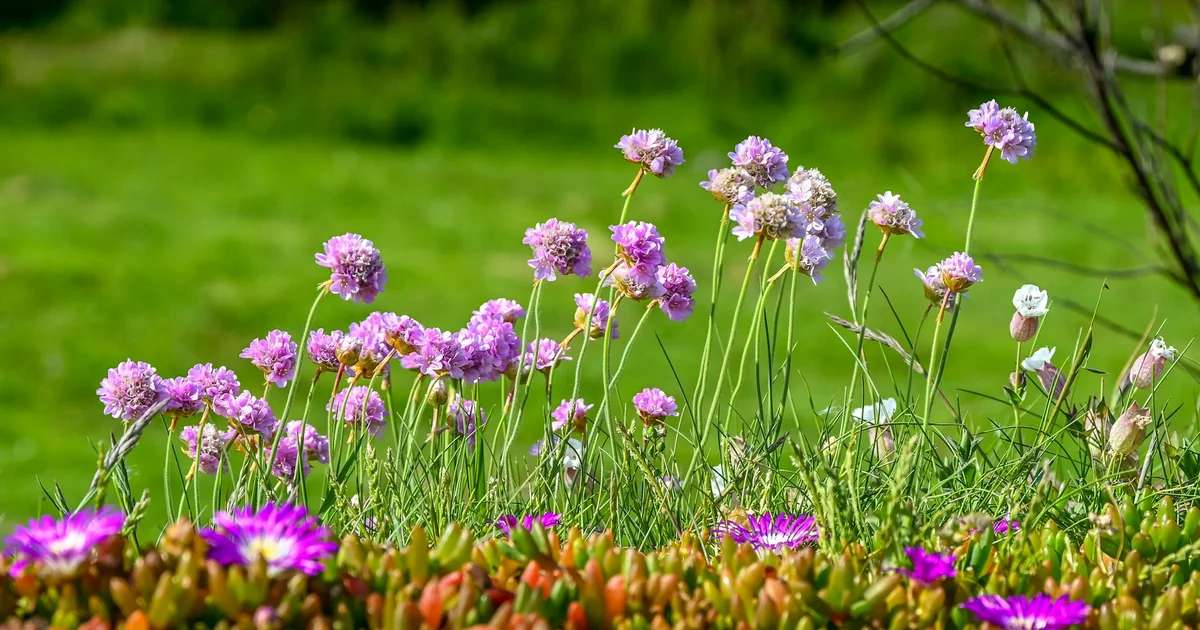
Thrift demands six to eight hours of direct sunlight every day. This intense light fuels the production of those iconic pom-pom flowers. It also keeps the dense, grassy foliage compact and tidy. If you try to grow it in partial shade, the leaves become lanky and flop over. More importantly, shade drastically reduces the number of blooms.
Beyond sunlight, consider the microclimate. This plant evolved to withstand drying winds and salt spray. That is why it thrives in coastal gardens where other perennials struggle. If you live inland, do not worry. You just need a spot with excellent air circulation. A south-facing slope, a raised bed, or a rock garden works perfectly. Avoid low, damp areas where water pools after rain. Stagnant air and wet feet are the two conditions that will kill a thrift plant faster than any pest.
When searching for the ideal spot, think like a cliff. Look for exposed, well-drained, and sunny locations. The front of a sunny border, a trough garden, or a container on a hot patio all work well. This plant thrives on what other plants perceive as neglect.
Tip 2: Forget Rich Soil — Feed It Grit
If you want to grow thrift plant successfully, you must suppress your instinct to enrich the soil. Most gardeners believe that healthy plants need compost, manure, or fertilizer. Thrift completely rejects this logic. It evolved to survive in thin, rocky, nutrient-poor soils. Introducing organic matter or synthetic fertilizer often leads to lush, weak growth that collapses under humidity or cold.
The ideal soil for thrift is sandy, gritty, and sharply draining. A pH range between 5.5 and 7.5 is perfectly acceptable. Soil texture matters far more than chemistry. If your garden has heavy clay, do not attempt to amend it with standard compost. Instead, dig in coarse sand, horticultural grit, or pea gravel to create a free-draining environment. Alternatively, build a raised bed where you can control the soil composition entirely.
Do not add any fertilizer at planting time. Thrift is adapted to low-nutrient conditions. Feeding it forces it to produce soft, succulent leaves that attract fungal diseases. The only exception is a very light top dressing of slow-release granular fertilizer in early spring if the plant shows signs of stunted growth. Even then, use one-quarter of the recommended dose.
This unique relationship with poor soil makes thrift an excellent candidate for rock gardens, alpine troughs, and crevice gardens. It pairs beautifully with other tough plants like dianthus, columbine, and ornamental grasses. Together, they create a low-maintenance tapestry that demands very little from you.
Tip 3: Water Deeply, But Infrequently
Overwatering is the leading cause of failure when people attempt to grow thrift plant. This plant is highly drought tolerant once established. Its deep taproot seeks moisture far below the soil surface. Frequent, shallow watering encourages surface roots that rot easily. You must adopt a “soak and dry” watering rhythm.
For newly planted thrift, consistent moisture is necessary for the first season. Water them deeply once or twice a week, depending on rainfall and temperature. Allow the soil surface to dry out between waterings. After the first growing season, reduce watering dramatically. Mature thrift plants often thrive on natural rainfall alone, except during prolonged summer droughts.
Signs of Overwatering
The most obvious indicator is yellowing or browning foliage at the center of the clump. If you gently tug on the leaves and they pull away easily, inspect the crown. A mushy, dark brown crown is a sign of crown rot, usually caused by Phytophthora or Rhizoctonia fungi. Unfortunately, once crown rot sets in, the plant is often beyond saving. Prevention is critical.
Signs of Underwatering
The leaves will curl inwards and lose their vibrant green luster. The plant may look deflated. Do not panic. Give it a deep, thorough soaking, and it will bounce back within 24 hours. Always water at the base of the plant rather than overhead to keep the foliage and crown dry. This simple technique dramatically reduces the risk of fungal diseases.
Tip 4: Shear and Deadhead for a Second Act
Thrift provides a spectacular main bloom in late spring to early summer. The flowers sit atop slender stems that rise above the mounded foliage. After the first flush of blooms fades, you have an opportunity to extend the display. Deadheading is not just about aesthetics; it directs the plant’s energy back into root and leaf development rather than seed production.
Use sharp garden shears or scissors to cut the spent flower stalks down to the base of the plant. Be careful not to cut into the new green growth at the crown. This cleanup immediately improves the plant’s appearance. Within three to four weeks, you will likely see a second, smaller round of flower buds forming. This secondary bloom is less profuse, but it provides a lovely bridge into late summer.
Winter Care
One of the best features of thrift is its evergreen foliage. In winter, the plant forms a neat, grassy tuft that adds structure to an otherwise barren garden. Do not cut back the foliage in autumn. The leaves protect the crown from winter moisture and cold. Simply remove any dead or decaying leaves by hand in early spring before new growth emerges. This light spring cleaning helps prevent pests and diseases.
Thrift also makes an excellent cut flower. The stems are sturdy, and the pom-pom flowers last for several days in a vase. Snip them when the flowers are about two-thirds open for the longest vase life. Pair them with sprigs of lavender or rosemary for a fragrant, rustic bouquet.
You may also enjoy reading: 5 Tips: Grow Watermelons from Seed for Successful Summer.
Tip 5: Divide Every Three Years to Rejuvenate
Like many clump-forming perennials, thrift benefits greatly from division. After three or four years, the center of the clump often begins to die out. The plant may produce fewer flowers and look sparse. Division is the most effective way to grow thrift plant populations and keep your original patch vigorous and healthy.
When to Divide
The best time is early spring, just as new growth begins to emerge. You can also divide in early autumn, giving the divisions a few weeks to root before the first hard freeze. Avoid dividing during the peak of summer heat, as the stress can be fatal.
How to Divide
- Carefully dig up the entire clump using a garden fork. Shake off excess soil to expose the root system.
- Use a sharp, clean knife or a spade to cut the clump into sections. Each division should have a healthy portion of roots and at least three to five growing points (shoots).
- Discard the woody, unproductive center of the old clump. This material rarely roots well and is prone to rotting.
- Replant the divisions immediately at the same depth they were growing before. Space them 8 to 12 inches apart to allow for airflow and future growth.
- Water them in well and keep the soil moderately moist for the first two weeks until new roots establish.
Growing from Seed
If you prefer to start from scratch, you can sow thrift seeds indoors 6 to 8 weeks before the last frost. Surface-sow the seeds, as they require light to germinate. Do not cover them with soil. Press them gently into the surface of a damp, sterile seed-starting mix. Place the tray under bright lights or in a sunny window. Germination can take 14 to 30 days. Be patient. The seedlings will not flower until their second year, but the wait is well worth it.
Frequently Asked Questions About Growing Thrift
Is thrift plant easy to grow for a beginner?
Yes. This is one of the most forgiving perennials you can choose. It requires very little water once established, no fertilizer, and minimal pruning. As long as you provide full sun and well-drained soil, it will thrive on neglect.
Does thrift plant spread aggressively?
No. Unlike moss phlox (Phlox subulata), which can form large mats, Armeria maritima grows slowly in compact, mounded clumps. It spreads mainly through division over several years. It will not invade neighboring plants or lawns.
Can I grow thrift plant in a container?
Absolutely. Thrift is an excellent choice for containers, troughs, and window boxes. Use a gritty, well-draining potting mix designed for succulents or alpines. Ensure the container has large drainage holes. Potted thrift needs more frequent watering than in-ground plants, but it still requires the soil to dry out between drinks.
Why are the leaves on my thrift plant turning brown?
Brown leaves are usually a sign of stress. The most common cause is overwatering or poor drainage leading to root rot. Check the soil moisture. It should feel dry several inches below the surface. Other causes include too much shade or fungal rust. Improve airflow around the plant and reduce watering.
Should I cut back thrift plant in the fall?
No. Thrift is an evergreen perennial. The foliage stays green throughout the winter. Cutting it back in fall exposes the crown to winter moisture and cold damage. Simply remove dead leaves by hand in early spring to make way for fresh growth.
Mastering these five essential tips will transform your experience with this charming coastal perennial. Whether you are taming a dry slope, filling a rock garden, or simply adding low-maintenance color to your front border, the thrift plant offers resilience and beauty in equal measure. Give it sun, give it grit, and then step back and watch it flourish.