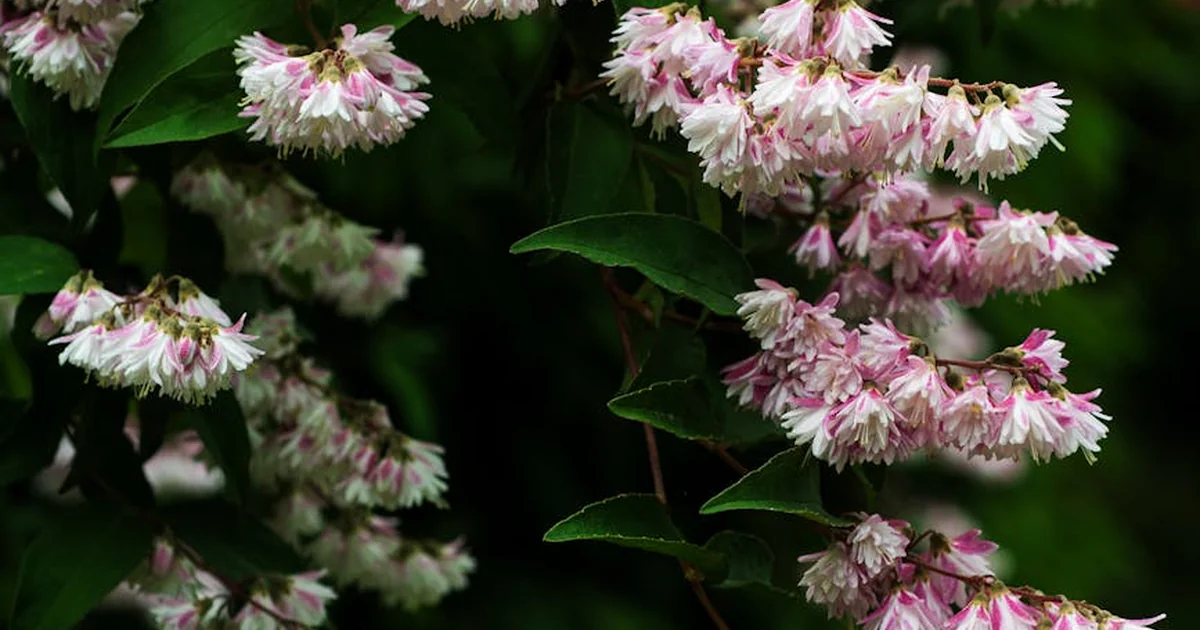
For years, deutzia lingered in the shadow of better-known flowering shrubs like hydrangea and lilac. Gardeners who overlooked it missed out on a real workhorse. This East Asian native offers early spring blooms so abundant that they completely smother the foliage. The flower buds look like perfect little pearls strung along arching branches. If you want to successfully plant and grow deutzia in your own backyard, understanding a few core principles makes all the difference. Here are five simple steps to ensure your deutzia thrives.
Step 2: Timing Your Planting and Preparing the Soil
Once you have chosen your variety, the next step is timing. When you plant and grow deutzia, the season you choose directly impacts root development and first-year survival.
Why Fall is the Ideal Season
The best time to plant deutzia is in the fall. Cooler temperatures and autumn rains give the shrub roughly six to eight weeks to establish a strong root system before the ground freezes. Spring planting works as a second option, but you will need to be diligent about watering through the summer heat. Fall planting gives your deutzia a head start that pays off with vigorous spring growth.
Soil Preparation is Key
Deutzia is not overly fussy about soil, but it absolutely requires good drainage. Soggy roots are the fastest way to kill this shrub. Dig a hole that is two to three times wider than the nursery container but the exact same depth. Loosen the soil at the bottom of the hole and mix in a generous amount of well-rotted compost. This improves drainage while adding organic matter. Before you plant and grow deutzia, test your soil by filling the hole with water. If it drains within a few hours, you are ready to proceed.
Step 3: The Planting Process
Proper planting technique sets the stage for a long and healthy life. Whether you are putting deutzia in the ground or a container, the principles are the same.
How to Plant Deutzia in the Ground
Remove the shrub from its nursery pot and gently loosen any circling roots. Place it in the prepared hole so that the top of the root ball sits level with the surrounding soil. Planting too deep invites rot. Backfill the hole with the amended soil, firming it gently with your hands to eliminate air pockets. Water deeply and slowly to settle the soil around the roots. Apply a 2-inch layer of organic mulch around the base, keeping it a few inches away from the stem to prevent moisture buildup.
Planting Deutzia in Containers
Dwarf varieties are excellent candidates for containers. Choose a pot with drainage holes and fill it with a high-quality potting mix blended with compost. Container-grown deutzia requires more frequent watering than in-ground plants, as pots dry out faster. At the lower end of its hardiness range (Zone 5), insulate the pot over winter by wrapping it in burlap or placing it inside a larger container filled with sand or mulch. This protects the roots from freezing temperatures.
Step 4: Watering, Mulching, and Fertilizing
Deutzia is celebrated for being low maintenance, but it needs consistent care during its first year. Establishing good habits early makes the shrub virtually carefree later.
Establishing a Consistent Watering Routine
During the first growing season, provide consistent moisture. Water deeply once a week, more often during dry spells. Once established, deutzia is impressively drought-tolerant. This resilience makes it a practical choice for busy homeowners. The key is to let the soil dry out slightly between waterings. Deutzia prefers a soil that is a little dry rather than constantly wet. Overwatering leads to root rot, the most common issue for this otherwise tough plant.
Annual Mulching and Feeding
Each spring, after the shrub is established, apply a slow-release granular fertilizer formulated for flowering shrubs. Follow the package instructions carefully. Top this with a fresh layer of well-rotted organic matter or compost. This annual mulch feeds the soil, suppresses weeds, and retains moisture. This simple feeding regimen is all the nutrition your deutzia needs to produce hundreds of blooms.
Step 5: Pruning and Seasonal Maintenance
Pruning is the area where most gardeners make mistakes with deutzia. Understanding its growth habit is essential to preserving its natural beauty.
The Art of Pruning Deutzia
Deutzia blooms on previous season’s growth. This means that pruning in late summer, fall, or early spring removes the wood that would produce flowers. The golden rule is to prune immediately after the spring bloom finishes. The shrub has a naturally graceful arching habit. Too much pruning ruins this shape. Instead of shearing the whole plant, selectively remove the oldest branches by cutting them back to the base. This renews the plant without sacrificing its elegant form.
You may also enjoy reading: 13 Best Pool Lights Our Editors Love.
Pest Control and Winter Protection
Deutzia is relatively pest-free, but spider mites, aphids, and mealybugs can occasionally appear. A strong blast of water from the hose is often enough to dislodge these pests. For stubborn infestations, insecticidal soap or neem oil works well. In terms of winter protection, deutzia is hardy down to -4°F (Zone 5). In colder zones, a thick layer of mulch over the root zone provides adequate insulation. Container plants need extra protection, as mentioned earlier.
Frequently Asked Questions About Growing Deutzia
Can deutzia grow in full shade?
Deutzia can survive in part shade, but it will not bloom heavily. For the best floral display, aim for at least six hours of direct sunlight daily.
How fast does deutzia grow?
Deutzia is a moderate to fast grower. Depending on the variety and conditions, it can add 1 to 2 feet of growth per year once established.
Is deutzia deer resistant?
Yes. Deutzia is considered deer resistant, making it an excellent choice for suburban and rural landscapes where deer browsing is a problem.
When should I prune my deutzia?
Prune immediately after the flowers fade in late spring or early summer. Pruning at any other time will reduce next year’s bloom.
Can I propagate deutzia from cuttings?
Absolutely. The most common method is rooting softwood cuttings taken in late summer. Cut 6-inch pieces from the stem tips, remove the lower leaves, and insert them into moist potting mix. The process takes a little over a year to produce a plant ready for the garden.
Deutzia is a shrub that asks for very little yet gives so much in return. Its reliable spring display, easygoing nature, and resistance to deer and pests make it a true gem for any garden. Follow these five steps, and you will enjoy years of effortless beauty.