1. Get to Know the Dogwood Shrub Family
Dogwood trees earn plenty of admiration for their spring flowers, but their shrubby cousins deliver a similar show on a more manageable scale. When you start planting dogwood shrub varieties, you gain year-round interest—from colorful winter stems to pollinator-friendly blooms—without needing acres of space. These adaptable plants fit into rain gardens, mixed borders, and even tight corners where larger trees would overwhelm.
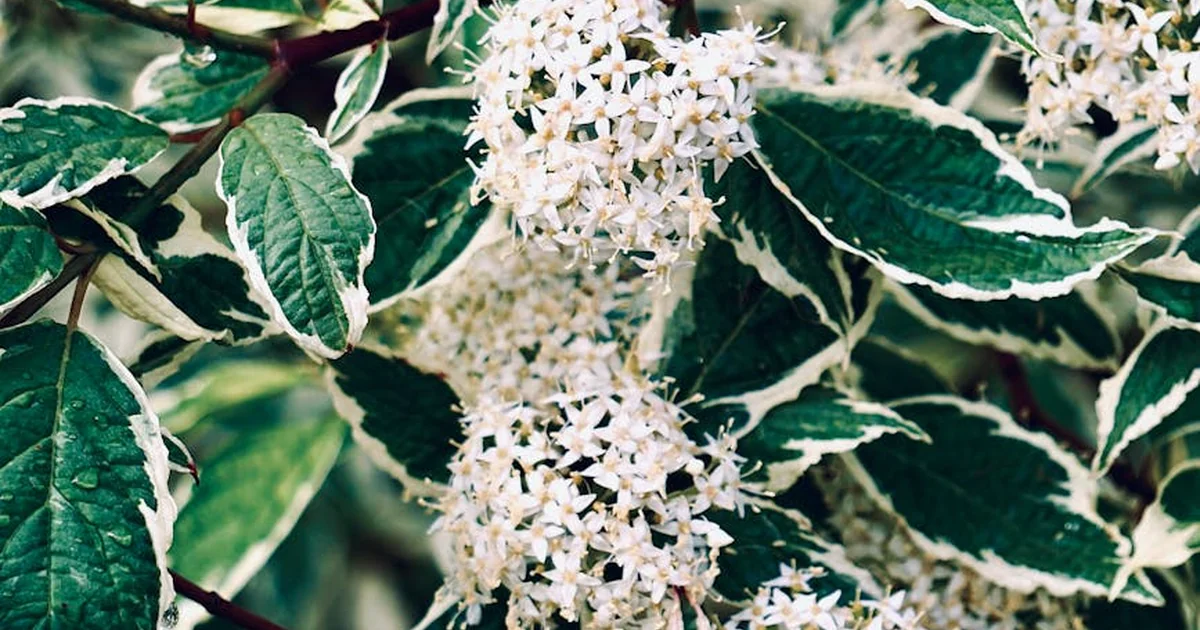
Both trees and shrubs belong to the Cornus genus, a group that includes roughly 30 to 60 species of woody plants spread across temperate regions of the Northern Hemisphere. The shrubs in this family offer something the trees often cannot: vivid stem colors that glow against a snowy backdrop. Tartarian dogwood, for instance, produces bright red bark on young growth, while yellow-twig varieties add warmth to the winter landscape.
Native North American species such as red osier dogwood (Cornus sericea) and silky dogwood (Cornus amomum) produce clusters of white flowers in late spring that attract bumblebees and solitary bees. By late summer, those flowers give way to bluish-white berries that songbirds and small mammals eagerly gather. This dual benefit—food for pollinators followed by berries for wildlife—makes dogwood shrubs a smart choice for anyone looking to support local ecosystems.
The plants are reliably hardy in Zones 3 through 8, a range that means they withstand winter temperatures as low as minus 40 degrees Fahrenheit in the coldest regions. They also tolerate heat reasonably well as long as humidity does not spike too high. Most varieties reach heights between 3 and 15 feet with a similar spread, giving you plenty of options for filling different spaces in the landscape.
2. Choose a Location That Suits the Plant’s Needs
Before you start digging, take a close look at your yard. Not every corner is ideal for planting dogwood shrub specimens. These plants thrive in full sun or partial shade, but the amount of light directly affects their performance. Stems develop the brightest shades of red, yellow, or orange when the shrub receives at least four to five hours of direct sunlight daily. If you tuck a dogwood shrub into deep shade, you will likely see fewer flowers and duller winter color.
Soil moisture matters just as much as sunlight. Dogwood shrubs naturally grow near stream banks, wetland edges, and damp meadows in the wild. That background explains why so many varieties handle boggy conditions better than most ornamental shrubs. Silky dogwood and red osier dogwood, in particular, tolerate consistently moist soil without developing root rot. This trait makes them excellent candidates for rain gardens, low spots where water collects after storms, and areas near downspouts.
Even if your yard does not stay wet, dogwood shrubs still perform well in ordinary garden soil as long as it drains reasonably well and remains acidic with a pH between 5.5 and 6.5. Before purchasing a plant, check the tag for specific moisture requirements. Some cultivars prefer continually damp conditions, while others adapt to average garden moisture. Matching the plant to your specific spot prevents frustration down the road.
3. Master the Planting Technique
The ideal window for planting dogwood shrub specimens falls in early spring or early summer, just as the plant begins active growth but before summer heat intensifies. This timing gives the root system several months to establish before winter arrives. Fall planting can work in warmer zones, but the shrub may not develop enough roots to survive a harsh first winter in colder areas.
Dig a hole that matches the depth of the nursery container but reaches about twice its width. A wide hole allows roots to spread outward into loosened soil rather than circling inside a narrow cavity. Remove the shrub from its pot and gently tease apart any roots that have started wrapping around the root ball. This step encourages new roots to grow outward instead of girdling the stem.
Set the plant in the center of the hole so the top of the root ball sits level with the surrounding ground. Backfill with the original soil mixed with a generous handful of compost or humus to improve organic matter content. Tamp the soil lightly to remove air pockets, then water deeply to settle everything into place. Do not pack the soil too firmly, dogwood roots benefit from loose, aerated conditions.
One technique experienced gardeners use is forming a catch basin around the shrub. Mound up a low ring of soil about three inches high in a circle slightly wider than the planting hole. This simple wall holds water near the roots during the first growing season, reducing runoff and giving the plant a consistent moisture supply. The basin can be leveled out once the shrub is well established, usually after the second year.
4. Water and Mulch With Care
Newly planted dogwood shrubs require consistent moisture during their first year. Aim to provide roughly one inch of water per week, whether from rainfall or a garden hose. Deep, infrequent watering encourages roots to grow downward in search of moisture, which builds drought tolerance over time. Shallow sprinklings only wet the top inch of soil, prompting roots to stay near the surface where they dry out quickly.
A two-inch layer of organic mulch spread over the root zone makes that job much easier. Shredded bark, leaf mold, or composted wood chips all work well. Keep the mulch a few inches away from the main stem to prevent bark rot and discourage voles or mice from nesting against the trunk. Mulch also suppresses weeds that would compete for water and nutrients, giving the young shrub an easier start.
Dogwood shrubs tolerate wet soil far better than most landscape plants, but that does not mean they enjoy standing in water for weeks at a time. In clay-heavy soils that drain slowly, watering once every seven to ten days usually suffices. Sandy soils lose moisture rapidly and may require watering twice per week during hot, dry spells. Check the soil by pushing a finger two inches deep into the bed. If it feels dry at that depth, it is time to water.
5. Provide the Right Balance of Sun and Shade
Dogwood shrubs need direct sunlight for the best stem color and flower production, but they also appreciate relief from intense afternoon heat in warmer climates. Planting on the east side of a building or under the dappled shade of a deciduous tree gives the shrub morning sun and filtered afternoon light. This arrangement keeps the foliage from scorching during the hottest part of the day while still delivering the four to five hours of direct light the plant requires.
Temperature swings rarely bother established dogwood shrubs. The plants handle winter cold down to Zone 3 without trouble, and they endure summer temperatures well into the 90s as long as humidity stays moderate. Extended periods of high humidity combined with heat, however, can stress the plant and make the plant more susceptible to fungal diseases. If you live in a humid region, choose a planting site with good air circulation and avoid crowding the shrub against walls or dense hedges.
One common mistake gardeners make is planting too deeply or covering the root crown with mulch. The root flare where the main roots meet the stem should remain visible above the soil line. When this area gets buried, bark stays damp and vulnerable to rot or fungal infection. A quick visual check after planting confirmed you are not smothering the shrub’s base.
You may also enjoy reading: Floor and Decor Woodland Hills: Your Guide to Flooring and Installation.
6. Prune for Winter Brilliance and Plant Health
The most spectacular feature of dogwood shrubs is their brightly colored winter stems. To keep those stems vibrant year after year, you must prune strategically. The brightest colors appear on one- and two-year-old wood. Older canes turn gray or brown and lose their visual appeal entirely. If left untouched, a neglected dogwood shrub becomes a tangle of dull, mature stems with only a few colorful shoots near the tips.
In early spring just before buds swell, cut back about one-third of the oldest, thickest stems at ground level. Select the canes with the most faded color first. Removing them prompts the shrub to produce vigorous new shoots from the base, and those fresh stems will display intense color by the following winter. Repeat this process each spring, removing another third of the older canes. By the third year, you will have cycled through the entire plant and established a rotation of youthful, brilliantly colored stems.
While you prune, also remove any branches that appear dead, damaged, or crossing against others. These weak points invite disease and create entry wounds for pests. Making clean cuts at the base of the plant with sharp bypass pruners minimises tearing and helps the shrub heal quickly. Do not leave stubs; they die back slowly and provide a pathway for decay organisms.
7. Prevent Problems and Try Propagating
Dogwood shrubs are generally trouble-free, but a few pests and diseases can cause issues. Sawfly larvae rank among the most common insects you might encounter. These small, caterpillar-like creatures feed in groups along leaf edges and can skeletonize entire branches within days. Handpick them off when you spot them, or spray the foliage with a strong stream of water to knock them to the ground where birds often eat them. Scale insects and bagworms also appear occasionally but rarely reach damaging levels on healthy plants.
Fungal problems such as leaf blight and canker usually stem from poor air circulation or excessive moisture on the leaves. If you notice brown spots on foliage or sunken, discolored areas on the bark, prune out the affected branches immediately. Dispose of the removed material in the trash rather than the compost pile so spores do not spread. Keeping the base of the plant free of fallen leaves and debris also reduces the fungal load in the soil.
Propagation offers a satisfying way to expand your collection without spending money on new plants. Early spring, before buds open, is the best time to take stem cuttings. Select year-old wood that feels firm but still flexible, and cut sections about 12 inches long with at least three pairs of buds. Remove the leaves from the bottom half of the cutting, dip the cut end in rooting hormone powder, and insert it into a small pot filled with sterile sand or perlite. Bury the cutting deep enough to cover two of the bud pairs. Water the medium thoroughly, then cover the pot with a clear plastic bag held away from the cutting by small sticks. Place the pot in a bright location out of direct sun and keep the medium consistently damp. Roots typically form within four to six weeks, after which you can gradually acclimate the new plant to outdoor conditions.
Frequently Asked Questions About Planting Dogwood Shrub
When is the best time to plant a dogwood shrub?
Early spring or early summer gives the shrub the longest possible growing season before winter. In Zones 6 through 8, you can also plant in early fall is also acceptable as long as the plant has at least six weeks to establish roots before the ground freezes.
How much sun does a dogwood shrub really need?
At least four to five hours of direct sunlight each day is ideal. More sun produces brighter stem colors and more flowers. In hot climates, morning sun with afternoon shade prevents leaf scorch while still delivering enough light.
Can dogwood shrubs survive in consistently wet soil?
Yes, many varieties handle boggy conditions exceptionally well. Red osier dogwood and silky dogwood thrive in wet soil and are commonly used in rain gardens, along drainage ditches, and in low-lying areas that stay damp through the growing season.
How do I prune a dogwood shrub to keep it colorful?
Each early spring, remove about one-third of the oldest stems down to the ground. This encourages fresh, brightly colored shoots to emerge from the base. Rotate which stems you remove each year so the entire plant stays productive and vivid.
Can I start a new dogwood shrub from a cutting?
Absolutely. Take 12-inch cuttings from year-old wood in early spring before buds Swell. Dip the cut end in rooting hormone and plant it in a damp sterile medium like sand or perlite. Cover the pot with a clear bag to hold humidity, and roots should appear in four to six weeks.