1. Pick the Perfect Spot and Prep the Soil
Before you grab a trowel or order a flat of plants, take a good look at your yard. Pachysandra is a shade lover at heart. It thrives under deciduous trees, along north-facing foundations, and in other spots where full sun never reaches. If you place it in bright afternoon light, the leaves will likely bleach to a sickly yellow, and the plant will struggle to grow.
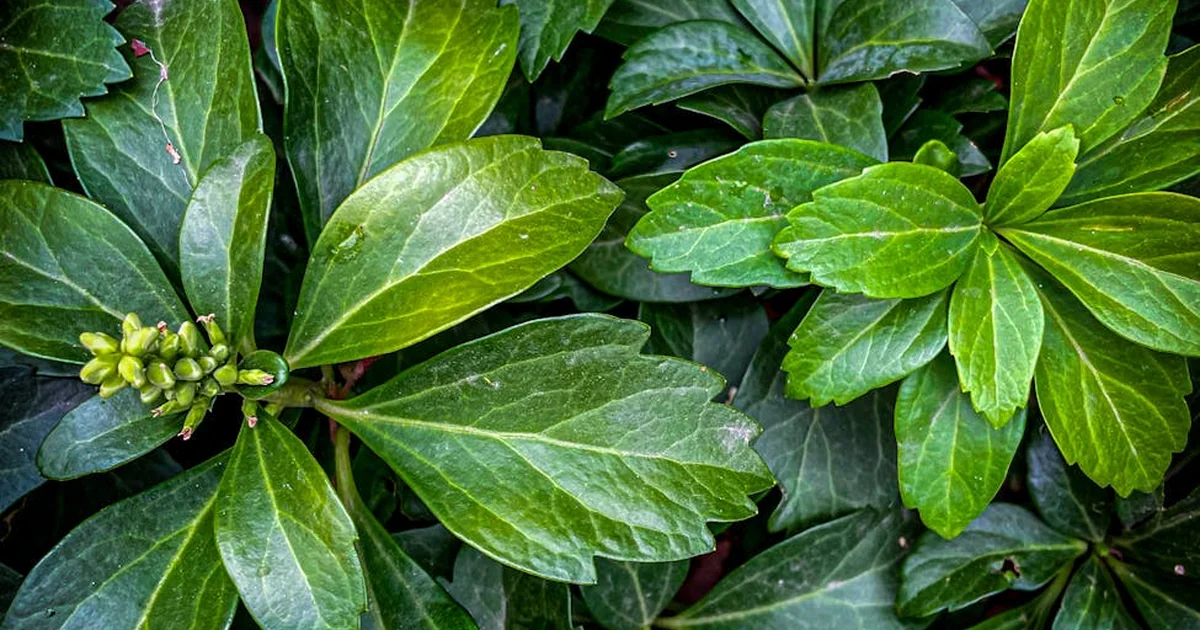
Soil preparation matters just as much as light. Pachysandra prefers a slightly acidic environment, with a pH between 5.5 and 6.5. It also demands sharp drainage. Heavy clay soil that stays soggy after rain is a recipe for root rot, specifically a fungal disease called Volutella blight. To test your drainage, dig a hole about 10 inches deep and fill it with water. If it takes longer than a few hours to drain, you need to amend the soil.
Mix in plenty of organic matter, such as leaf mold, compost, or well-rotted pine bark. This improves drainage layer is crucial. If you are planting pachysandra under a black walnut tree, you are in luck. Pachysandra is one of the few groundcovers that tolerates juglone, the chemical walnuts release into the soil. This makes it an ideal solution for those tricky bare patches where nothing else will survive.
2. Choose Your Pachysandra Champion
Not all pachysandra is created equal. The most common variety you will find at garden centers is Pachysandra terminalis, often called Japanese spurge. It is a vigorous, evergreen spreader that creates a thick, uniform carpet. However, this vigor comes with a warning. In several mid-Atlantic states, including Pennsylvania, Virginia, Delaware, and Washington D.C., P. terminalis is considered invasive. It can escape garden boundaries and crowd out native woodland wildflowers.
If you live in or near these regions, consider the native alternative: Pachysandra procumbens, commonly known as Allegheny spurge. This species is native beauty is more clump-forming and less aggressive than its Japanese cousin. It offers beautiful mottled leaves that take on purple and bronze tones in the fall. While it is deciduous in colder zones (dropping its leaves in winter), it is semi-evergreen in warmer areas. When you are planning on planting pachysandra, checking with your local extension office about invasive species regulations is a responsible first step. Choosing the right variety prevents future headaches and protects your local ecosystem.
3. Master the Planting Process
Timing your planting gives your pachysandra a strong head start. Early spring, just after the last frost,last frost, is ideal. Early fall, about six weeks before the first hard freeze, also works well. Aim for an overcast day to plant. Young transplants are tender, and intense sun can stress them before they establish roots.
Space your plants 8 to 12 inches apart. It may look sparse at first, but this spacing allows each plant room to spread via its underground rhizomes. If you pack them too tightly, they compete for resources and take longer to fill in. Dig a hole that is twice as wide as the root ball but exactly the same depth. Planting too deep is a common mistake that suffocates the roots. Place the plant in the hole, keeping the crown level with the soil surface.
Backfill halfway with soil, then water the hole thoroughly. This settles the soil around the roots and removes air pockets. Finish filling the hole, and water again. Expect the roots to establish within four to six weeks. During this period, consistent moisture is key. Do not let the soil dry out completely, but do not let it stay swampy either. A layer of shredded bark mulch will help retain moisture and keep the roots cool.
4. Water Wisely and Feed Lightly
Once established, pachysandra is fairly drought-tolerant, but it performs best with even moisture. The biggest mistake gardeners make is overhead watering. Wet leaves, especially in humid weather, invite fungal diseases like leaf blight. Instead, use a soaker hose or drip irrigation to deliver water directly to the soil. Water deeply and less frequently to encourage deep root growth.
When it comes to fertilizer, pachysandra is not a heavy feeder. If you prepared the soil with compost, you may not need to fertilize at all. If you want to give it a boost, apply a balanced, slow-release fertilizer like a 10-10-10 formula in late winter or early spring, just as new growth begins. Avoid fertilizers high in phosphorus. Excess phosphorus can cause the plant to focus energy on producing flowers instead of building dense foliage. After you finish planting pachysandra, a light annual top-dressing of compost is often all the nutrition it needs for years of healthy growth.
5. Encourage Density and Control Spread
Pachysandra spreads through rhizomes, which are underground stems that send up new shoots. This is what makes it such an effective groundcover, but it also means it can wander where you do not want it. The good news is that it rarely invades lawns. It prefers the soft, duff-rich soil of garden beds. If it does cross a boundary, it is easy to pull or dig out.
To encourage a thick, lush mat, pinch back the growing tips of your plants during their first spring. This simple act forces the plant to branch out laterally, creating a bushier habit. Within three years, a properly spaced planting will knit together into a dense, weed-suppressing carpet.
You may also enjoy reading: 7 Peony Care Tips for a Blooming May.
If your pachysandra becomes too large for its space, divide it. Dig up clumps in early spring, separate the rhizomes, and replant them in new areas or share them with friends. This division rejuvenates older plantings and keeps the colony within its bounds. On slopes, pachysandra is a champion at controlling erosion, holding soil in place with its mat of roots and leaves.
Frequently Asked Questions About Growing Pachysandra
Why is my pachysandra turning yellow?
Yellowing leaves usually point to one of three issues. The most common is too much sunlight. If the spot receives direct afternoon sun, the foliage bleaches. The second cause is poor drainage. Roots sitting in water cannot absorb nutrients properly. The third cause is high soil pH, which leads to iron chlorosis. A simple soil test can confirm the pH.
How fast does pachysandra spread?
Pachysandra has a moderate spreading rate. When planted 8 to 12 inches apart, it typically takes two to three years to form a solid, continuous mat. The spread is faster in rich, moist soil and slower in dry, compacted clay.
Can I plant pachysandra under pine trees?
Yes, pachysandra is an excellent choice for the acidic, shaded soil found under pine trees. Rake away any thick layers of pine needles before planting so the roots can make direct contact with the soil. The acidic needles will not harm the plants.
Is pachysandra safe for pets?
Pachysandra is generally considered non-toxic to dogs and cats. However, ingestion of any plant material can cause mild gastrointestinal upset in some pets. If you have a pet that likes to dig or chew on plants, monitor them closely.
How do I remove pachysandra if it spreads too much?
Manual removal is the most effective method for small areas. Use a garden fork to loosen the soil, then pull up the rhizomes by hand. Be thorough, as small pieces left behind can regrow. For larger infestations, smothering the area with cardboard or thick black plastic for a full growing season is an effective, chemical-free solution.
Pachysandra rewards the gardener who takes a little time to prepare the ground and choose the right variety. Give it shade, sharp drainage, and a bit of patience, and it will deliver a dependable green carpet that asks for very little in return.