Why Veronica Deserves a Spot in Your Garden
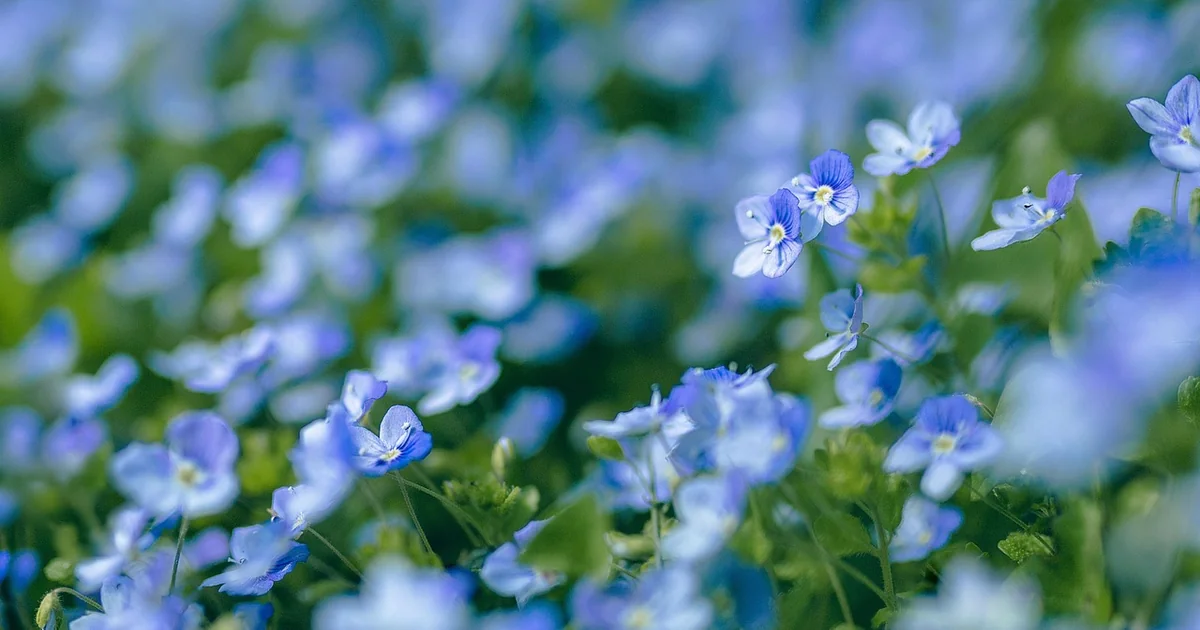
If you have walked past a garden border in midsummer and noticed tall, elegant spires covered in tiny blue, pink, purple, or white blossoms, you have likely admired veronica. This genus, commonly called speedwell, includes about 250 species that range from low-growing ground covers to upright plants reaching three feet tall. Despite its delicate appearance, veronica is surprisingly tough. Once established, it tolerates drought, resists deer, and asks for very little attention. Yet many gardeners struggle to get their plants to bloom freely or to survive their first winter. The good news is that learning how to grow veronica successfully does not require a green thumb. Seven straightforward steps will take you from selecting a planting site to enjoying waves of flowers from late spring through early autumn.
Step 1: Choose a Sunny Spot with Good Drainage
Nothing matters more for veronica than sunlight. These plants evolved in open meadows and rocky slopes where direct sun is abundant. When you place them in shade, even partial shade, they respond by stretching toward the light. Stems become weak, flower production drops significantly, and foliage stays damp longer than it should. Damp leaves invite powdery mildew and leaf spot, two fungal problems that can ruin a planting.
Look for a location that receives at least six to eight hours of direct sunlight daily. Morning sun is especially valuable because it dries dew from the leaves quickly. If your garden has a spot that bakes in the afternoon heat, veronica will handle it well as long as the roots have decent drainage. Low-growing types, which form dense mats only a few inches tall, are particularly well suited for rock gardens or the edges of sunny pathways. Taller varieties such as Veronica spicata add strong vertical lines to mixed borders.
Step 2: Prepare Soil That Drains Yet Holds Moisture
Veronica prefers loamy soil rich in organic matter. The ideal pH range sits between 6.0 and 8.0, which means these plants tolerate slightly acidic, neutral, and slightly alkaline conditions. Heavy clay is a common challenge. Clay holds water too long, and veronica roots sitting in soggy soil will rot during wet seasons. Sandy soil, on the other hand, drains so quickly that plants may struggle during dry spells.
To improve your native soil, work in two to three inches of well-rotted compost or aged manure before planting. Compost lightens clay by improving pore space and helps sandy soil retain moisture. If you are planting in a region with notoriously heavy rain, consider building a raised bed or a low mound. Raising the root zone even six inches above the surrounding grade makes a noticeable difference in winter survival. This step is especially important in USDA Zones 3 and 4, where freeze-thaw cycles can heave plants out of the ground.
When you are learning how to grow veronica in less-than-ideal soil, remember that thorough preparation prevents most problems down the road. Take the time to dig deep and incorporate organic material, and your plants will reward you with vigorous growth.
Step 3: Plant at the Right Time and Depth
Spring and early fall are the two windows for setting veronica transplants into the garden. Spring planting gives the root system the entire growing season to establish before winter arrives. Early fall planting works well in warmer zones, provided you set plants out at least six weeks before the first hard frost. That buffer allows roots to anchor before the ground freezes.
Dig a hole twice as wide as the nursery container but no deeper. The top of the root ball should sit exactly level with the surrounding soil. Planting too deep buries the crown, which invites rot. After placing the plant, backfill with the amended soil you removed earlier and press gently to eliminate air pockets. Water thoroughly immediately after planting. A deep soaking settles the soil around the roots and gives the plant a strong start.
Space veronica plants one to three feet apart, depending on the mature width of the variety. A compact ground-cover type may need only twelve inches, while a tall, bushy cultivar might require a full three feet. Proper spacing ensures good air circulation, which is your best defense against fungal diseases.
Step 4: Water Wisely and Mulch Strategically
Newly planted veronica needs consistent moisture for the first few weeks. Water deeply twice per week if rain is scarce, focusing on the root zone rather than the foliage. Once the plants are established, they become remarkably drought tolerant. In fact, overwatering is a more common mistake than underwatering. Established veronica usually thrives on rainfall alone except during extended dry periods. During peak bloom, if the weather turns unusually hot and dry, giving the plants an extra deep drink every week will keep the flowers coming.
Mulch serves two purposes for veronica. A two-inch layer of shredded bark or leaf mold keeps soil temperatures moderate and slows evaporation. It also suppresses weeds that compete for water and nutrients. Keep the mulch pulled back an inch or two from the crown of the plant. Mulch piled against the stems traps moisture against the crown and can lead to rot, especially in humid climates.
One detail many gardeners overlook is the value of drip irrigation or soaker hoses. Overhead watering wets the foliage, and wet foliage combined with warm nights creates ideal conditions for powdery mildew. If you must use a sprinkler, water early in the morning so the leaves dry before evening.
Step 5: Feed Lightly and Only When Needed
Veronica is not a heavy feeder. In fact, too much fertilizer encourages lush, soft growth that flops over and attracts pests. If you enriched the soil with compost at planting time, your plants may not need any additional feeding for a year or two. For gardens with poor native soil, a single spring application of a balanced granular fertilizer such as 10-10-10 provides sufficient nutrients. Apply it at half the rate recommended on the package and water it in well.
Slow-release organic fertilizers work beautifully because they release nutrients gradually. A light side-dressing of compost in early spring also works. Avoid high-nitrogen formulas, which produce abundant leaves at the expense of flowers. When you grow veronica in fertile soil with minimal intervention, the plants stay compact, bloom heavily, and resist disease more effectively than overfed specimens.
Step 6: Deadhead and Prune for Continuous Blooms
Deadheading is the single most effective way to extend the veronica blooming season. As individual flower spikes fade, clip them off at the base of the stem. This prevents the plant from putting energy into seed production and instead triggers a second flush of bloom. Many modern veronica cultivars have been bred specifically for reblooming potential, and deadheading unlocks that genetic promise.
In late summer, after the main flowering period ends, you can cut the entire plant back by about one-third. This tidies the appearance and often stimulates a fresh round of growth and blossoms in early autumn. For tall varieties that tend to flop, a light shearing after the first bloom keeps the clump compact and upright.
You may also enjoy reading: 13 Best Pool Lights Our Editors Love.
At the end of the growing season, after frost has killed the foliage, cut the stems down to about two inches above the ground. In cold zones, add a layer of mulch over the crown for winter protection. Remove that mulch in early spring before new growth emerges.
Step 7: Divide and Propagate to Keep Plants Vigorous
Veronica clumps become crowded after three or four years. When you notice the center of the clump dying out or the number of flowers declining, it is time to divide. Division rejuvenates the plant and gives you free new plants for other parts of the garden. The best times are early spring just as new growth appears or late summer to early fall after blooming finishes.
To divide, dig up the entire clump with a shovel. Shake off excess soil so you can see the natural divisions in the root system. Use a sharp knife or spade to cut the clump into sections, each with several healthy shoots and a good portion of roots. Discard the woody, unproductive center piece. Replant the divisions at the same depth they were growing before and water them well.
Propagation by division is the easiest and fastest method for home gardeners. Seed propagation is possible, but it takes longer and the resulting plants may not be true to the parent variety, especially with hybrid cultivars. If you want to grow veronica from seed, sow indoors six to eight weeks before your last frost date and expect germination in two to three weeks at 65 to 70 degrees Fahrenheit.
Pests are rarely a serious problem for veronica, but aphids and whiteflies may appear on tender new growth. A strong blast of water from the hose knocks most of them off. If an infestation persists, insecticidal soap applied according to the label directions controls them without harming beneficial insects. Good air circulation and proper spacing prevent the fungal issues that sometimes trouble this genus.
Frequently Asked Questions About Growing Veronica
Can veronica survive winter in cold climates?
Yes. Veronica is hardy in USDA Zones 3 through 11. In zones 3 through 5, cut the foliage back to two inches after frost and cover the crown with several inches of mulch. Remove the mulch in early spring before new growth starts.
How often should I water established veronica plants?
Established veronica is drought tolerant and usually needs supplemental water only during extended dry periods. If the top two inches of soil feel dry and the plants show signs of wilting, give them a deep soak. During peak bloom, a weekly drink helps maintain flower production.
Why is my veronica not blooming well?
Insufficient sunlight is the most common cause. Veronica needs at least six hours of direct sun daily. Too much shade reduces flowering and increases the risk of foliar diseases. Overfertilizing with nitrogen can also produce lush leaves at the expense of blooms.
When is the best time to divide veronica?
Early spring just as new shoots appear is ideal. Late summer to early fall, after the main flowering period ends, is also a good option. Avoid dividing during the heat of midsummer or when the ground is frozen.
Can I grow veronica in a container?
Yes, compact veronica varieties grow well in containers. Choose a pot with drainage holes and use a high-quality potting mix. Place the container in full sun and water when the top inch of soil feels dry. Container plants need more frequent watering than garden plants, especially in hot weather.
Veronica earns its popularity through sheer reliability. Once you understand these seven steps, you can confidently incorporate speedwell into nearly any sunny garden setting. The low-growing types create soft carpets of color that weave between stones or spill over retaining walls. The taller varieties stand like sentinels in the border, drawing the eye upward and providing structure. With minimal effort, your veronica will return year after year, offering blooms that attract bees, butterflies, and the occasional admiring glance from neighbors. Start with one plant, follow the steps, and watch how quickly this genus becomes a staple in your landscape.