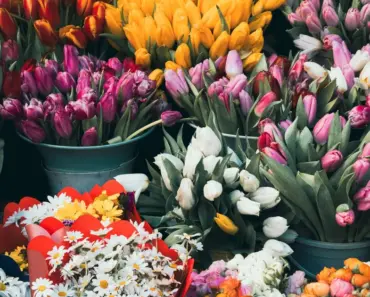
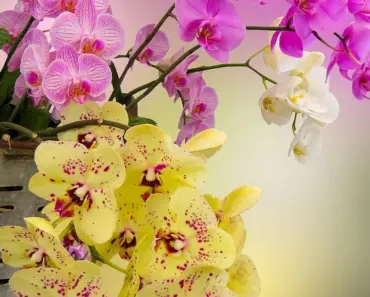
Violets bring a stunning spectrum of color to gardens, from deep jewel tones like sapphire and amethyst to soft pastel shades of blush and lavender. With over 500 species in the Viola genus, these hardy plants can serve as perennials or fragrant annuals that brighten early spring landscapes. Their cold tolerance means they often bloom while frost still lingers, making them the first outdoor flowers in many yards. Once established, violets self-seed generously, returning year after year with minimal effort. Learning how to grow violet flowers successfully involves understanding their specific needs for light, soil, and moisture, but the payoff is a garden filled with color and even edible petals for garnishing salads or desserts.
Why Plant Violets in Your Garden
Violets offer more than just beauty. They attract early-season pollinators, provide ground cover that suppresses weeds, and thrive in containers, borders, or hanging baskets. Their adaptability means they fit into almost any garden style. Many varieties also produce a sweet, delicate fragrance that makes them ideal for walkways or near entryways where you can enjoy the scent daily. Because they tolerate cold well, you can set them out weeks before other annuals, extending your blooming season substantially.
Step 1: Choose the Right Violet Variety
Understanding Viola Species
The Viola genus includes both annual and perennial types. Common garden violets include Viola cornuta (horned violet), Viola tricolor (Johnny-jump-up), and Viola odorata (sweet violet). Each has distinct growth habits, flower sizes, and hardiness zones. Some varieties trail beautifully over container edges, while others form compact mounds perfect for borders. Before purchasing, check the plant tag for zone compatibility. A violet that thrives in Zone 4 may struggle in Zone 9 unless given afternoon shade and extra care.
Color and Bloom Characteristics
Violet flowers now come in blue, purple, white, yellow, orange, pink, red, and even bi-color patterns. Some bloom primarily in spring, while others continue flowering through fall if deadheaded regularly. Pastel varieties tend to prefer cooler temperatures, while darker jewel tones often handle a bit more warmth. If you want continuous color, mix early-blooming types with reblooming cultivars. This strategy keeps your garden vibrant from early spring until the first hard frost.
Step 2: Select the Ideal Planting Location
Sunlight Requirements
Most violets grow best in full sun to partial shade. In cooler climates, six hours of direct sun yields the most flowers. In warmer regions, afternoon shade is critical to prevent heat stress. Woodland species like Viola odorata tolerate full shade, making them excellent choices for tree-lined areas or north-facing beds. Observe your garden throughout the day to identify spots that match each variety’s needs. A location that gets morning sun and afternoon shade often works well for a wide range of types.
Spacing and Companion Planting
Space most violet seedlings 6 to 12 inches apart, depending on the mature width listed for your specific cultivar. Trailing types need about 10 to 12 inches to spread. Plant them alongside spring-blooming bulbs like tulips and daffodils. As those shorter-lived flowers fade, violets fill the gap with continuous color. They also pair nicely with pansies, primroses, and ornamental kale. For borders, place taller varieties at the back and ground-hugging types at the front to create a layered look.
Step 3: Prepare the Soil for Success
Soil Composition and pH
Violets prefer rich, organic soil that mimics a woodland floor. Loam or sandy loam with plenty of compost or well-rotted manure gives them the nutrients they need. Aim for a pH between 5.5 and 6.5, slightly acidic. You can test your soil with a simple kit from a garden center. If the pH is too high, add elemental sulfur or peat moss to lower it. If it’s too low, incorporate garden lime. Good drainage matters enormously; violets rot quickly in soggy conditions.
Improving Drainage and Organic Matter
If your soil is heavy clay, mix in coarse sand, perlite, or fine bark to improve aeration. Raised beds also help by keeping roots above standing water. Work a 2- to 3-inch layer of compost into the top 8 inches of soil before planting. This step boosts moisture retention without causing waterlogging. For container planting, use a well-drained potting mix with added perlite or vermiculite. Avoid garden soil in pots, as it compacts and restricts root growth.
Step 4: Plant Violets at the Right Time and Depth
Timing for Spring and Fall Planting
In most regions, early spring is ideal for setting out violets, as soon as the ground is workable and nighttime temperatures stay above freezing. In warmer climates, fall planting allows roots to establish before winter heat arrives. Violet seedlings typically appear at nurseries in early spring and again in late summer. If you start seeds indoors, sow them 8 to 12 weeks before the last expected frost. Cover seeds lightly with soil; they need darkness to germinate.
Proper Planting Technique
Dig a hole slightly larger than the root ball. Gently loosen the roots if they are circling the container. Place the plant at the same depth it was growing in its pot. Backfill with soil, pressing lightly to remove air pockets. Water thoroughly after planting. Space plants according to their mature size; overcrowding leads to poor air circulation and increases disease risk. For containers, leave at least 6 inches between plants and use pots at least 4 inches deep to accommodate root spread.
Step 5: Water and Mulch With Care
Consistent Moisture Without Overwatering
Violets need consistent moisture, especially during blooming periods. Water when the top inch of soil feels dry. Deep watering encourages strong root systems, but avoid letting water sit on leaves overnight, as this invites gray mold. Drip irrigation or soaker hoses work well because they deliver water directly to the roots. During hot spells, you may need to water daily, especially for container plants. Check pots every morning; they dry out faster than in-ground beds.
Using Mulch to Regulate Temperature
A 1- to 2-inch layer of organic mulch like shredded bark, straw, or leaf mold helps keep soil cool and retains moisture. Mulch also prevents mud from splashing onto leaves during rain. In warm climates, this cooling effect is vital because violets are not heat-tolerant. Replenish mulch as needed through the season, but keep it pulled back a couple inches from plant stems to prevent rot. In fall, a thicker mulch layer can protect perennial varieties through winter.
Step 6: Fertilize for Continuous Blooms
Choosing the Right Fertilizer
A slow-release fertilizer with balanced NPK (such as 10-10-10 or 14-14-14) works well for violets. Apply it at planting time by mixing it into the soil according to package rates. Liquid fertilizers like fish emulsion or seaweed extract can be used every two to four weeks during the growing season for an extra boost. Avoid high-nitrogen formulas, which promote leafy growth at the expense of flowers. Phosphorus encourages blooming, so look for a fertilizer with a middle number that is equal to or slightly higher than the first.
Fertilizer Schedule and Application
Feed violets again in spring as new growth appears, and again in late summer or early fall to extend bloom time into autumn. For potted violets, use a liquid fertilizer diluted to half strength every two weeks during active growth. Always water before applying fertilizer to prevent root burn. If you notice yellowing leaves or slow growth, a light feeding often revitalizes the plants. Stop fertilizing about a month before the first expected frost to let perennials prepare for dormancy.
Step 7: Prune, Deadhead, and Manage Pests
Deadheading for More Flowers
Remove spent blooms regularly by pinching or snipping the flower stem at its base. This simple practice redirects energy from seed production into new flower formation. Deadheading every few days during peak bloom keeps plants looking tidy and extends the flowering period substantially. If plants become overgrown or leggy, cut them back to about 3 inches tall. This hard pruning rejuvenates growth and often triggers a fresh wave of blooms within a few weeks.
You may also enjoy reading: 5 Simple Ways to Make Your Backyard Feel 100% More Staycation-y.
Controlling Pests and Diseases
Aphids and spider mites occasionally trouble violets. A strong blast of water from a hose dislodges most pests. For persistent infestations, insecticidal soap or neem oil applied in the evening works effectively without harming beneficial insects. Gray mold (Botrytis) appears as fuzzy gray growth on leaves and flowers, usually in damp, crowded conditions. Prevent it by spacing plants properly, watering at soil level, and ensuring good air circulation. Remove affected foliage immediately and dispose of it in the trash, not the compost pile.
Recognizing Stress Signs
Drooping leaves often signal either overcrowding or water stress. Check soil moisture first; if the soil is damp but plants still wilt, they may need division. Lift and separate overcrowded clumps every two to three years in early spring or fall. Yellowing leaves can indicate nutrient deficiency or overwatering. Adjust your watering schedule and consider a light fertilizer application. Root rot appears as mushy, dark roots and a foul smell; remove affected plants and improve drainage before replanting in that area.
How to Grow Violets in Containers
Container gardening offers excellent control over soil, moisture, and light for violets. Choose pots with drainage holes and use a high-quality potting mix. Add slow-release fertilizer at planting time. Place containers where they receive morning sun and afternoon shade in warmer climates. Water thoroughly whenever the top inch of soil dries. Trailing varieties like Viola cornuta cascade beautifully over pot edges. Group several pots together for a striking display on patios, balconies, or entry steps. Repot annually or when roots become crowded.
Using Violet Petals in the Kitchen
Edible violet petals add a pop of color to salads, cakes, pastries, and even beverages. Only consume flowers from plants you know are pesticide-free. Look for organic nursery starts or grow your own from seed. Harvest petals in the morning after dew dries but before heat weakens them. Rinse gently and pat dry. Candied violets make beautiful cake decorations. Simply brush petals with lightly beaten egg white, sprinkle with superfine sugar, and let dry on parchment paper for 24 hours. Store in an airtight container for up to a month.
Frequently Asked Questions About Growing Violets
Can violets survive winter in cold climates?
Many perennial violets survive winter in Zones 2 through 9. Mulch heavily around the crown after the ground freezes to insulate roots. In very cold areas, choose hardy species like Viola odorata or Viola sororia. Annual types will not survive hard freezes, so treat them as cool-season plants and replace them each spring.
How often should I water violet plants?
Water when the top inch of soil feels dry. In hot weather, this may mean daily watering for containers. In-ground plants generally need water every two to three days, depending on rainfall and temperature. Always water at soil level to keep foliage dry and reduce disease risk.
Why are my violet leaves turning yellow?
Yellow leaves often result from overwatering, poor drainage, or nutrient deficiency. Check soil moisture first. If the soil is soggy, reduce watering and improve drainage. If the soil is dry, consider a balanced liquid fertilizer. Also ensure plants receive adequate light; too much shade can cause yellowing.
Can I grow violets indoors year-round?
African violets (Saintpaulia) are a different genus suited for indoor growing. True violets (Viola species) need a winter chill period to bloom well and are best grown outdoors. You can overwinter potted violets in a cool, bright garage or unheated room, then bring them out in early spring.
Do violets attract bees and butterflies?
Yes, violets provide an early nectar source for bees, butterflies, and other pollinators. Their low-growing habit makes them accessible to ground-dwelling insects. Planting violets near vegetable gardens can boost pollination of crops like squash and berries.
Growing violets from seed to bloom is a rewarding process that delivers weeks of color, fragrance, and even edible flowers. By following these seven steps, you can grow violet flowers that return year after year with reliable beauty. Whether you plant them in borders, containers, or hanging baskets, their cheerful blooms and cold-hardy nature make them a smart addition to any garden. Start with the right variety, give them rich soil and consistent moisture, and you will enjoy a stunning display from early spring well into autumn.