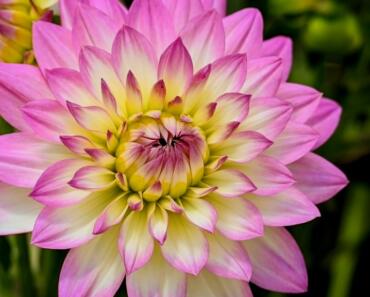
Dahlias are magnificent garden performers, but their spectacular blooms don’t happen by accident. These plants are heavy feeders that demand precise nutrition to reach their full potential. Many gardeners pour on fertilizer randomly and end up with towering green plants that produce only a handful of mediocre flowers. Understanding the specific nutritional needs of dahlias transforms lackluster patches into breathtaking displays.
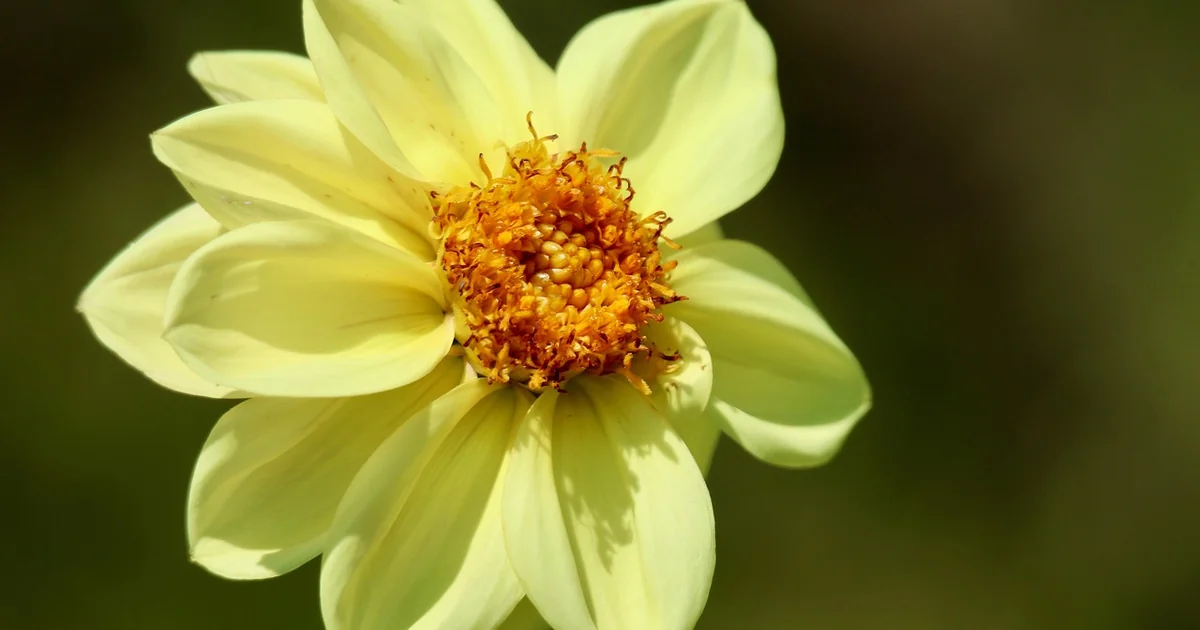
Why Standard Fertilizer Routines Fail Dahlias
The most common mistake gardeners make is treating dahlias like every other flowering perennial. Standard all-purpose fertilizers often contain too much nitrogen, which pushes leaf and stem growth at the expense of blooms. A gardener I know once applied a high-nitrogen lawn fertilizer to her dahlia bed and ended up with plants that reached six feet tall but produced exactly three flowers all season.
Dahlias require a balanced approach that prioritizes phosphorus and potassium while keeping nitrogen in check. The ratio of nutrients matters far more than the total amount you apply. This is where the concept of dahlia fertilizer giant blooms comes into play — it is not about dumping more food on the plants but about giving them the right combination at the right moments.
Secret 1: Master the NPK Ratio for Flower Production
The three numbers on a fertilizer bag represent nitrogen (N), phosphorus (P), and potassium (K). For dahlias, a ratio around 5-10-10 or 10-20-20 works beautifully. The higher phosphorus number supports bud formation and flower development, while adequate potassium strengthens stems and improves disease resistance.
Nitrogen should be the lowest number in the mix. Too much nitrogen creates soft, succulent growth that attracts aphids and fails to support heavy blooms. If your soil already contains plenty of organic matter, you may need even less nitrogen than the bag suggests. A soil test costing about $15 from your local extension office can reveal exactly what your garden needs before you spend money on fertilizers.
Reading Fertilizer Labels Correctly
Many products marketed for “bloom boosters” contain phosphorus levels that sound impressive but may not suit your specific soil conditions. Bone meal, for instance, provides phosphorus slowly and works best when incorporated into the soil at planting time. Liquid bloom stimulants offer a quicker hit but require more frequent applications.
I recommend starting with a granular fertilizer with an NPK of 5-10-10 worked into the soil before planting. This establishes a nutrient foundation that supports the plant through its early growth stages without pushing excessive foliage.
Secret 2: Time Your Applications Around Growth Stages
Dahlias have distinct nutritional needs at different points in their life cycle. Applying fertilizer too early wastes product and can damage tender roots. Waiting too long misses the window for maximum bloom production.
Begin fertilizing approximately four to six weeks after planting, when sprouts emerge from the soil. This initial feeding supports root development and early stem growth. The second application should coincide with bud formation, typically in late spring to early summer depending on your region. From that point forward, feed every four to five weeks through the blooming season, which generally runs from June through September in most climates.
Container-grown dahlias require a different schedule. Because pots drain quickly and nutrients leach out with every watering, these plants need half-strength liquid fertilizer every two weeks during active growth. This frequent but gentle approach prevents salt buildup while keeping nutrients consistently available.
Signs Your Dahlias Need Feeding Sooner
Yellowing lower leaves often indicate nitrogen deficiency, though overwatering can cause similar symptoms. Pale green foliage and slow growth suggest the plant is hungry. If your dahlias produce small flowers or buds that fail to open, phosphorus may be lacking. Learning to read these signals helps you adjust your schedule before problems become severe.
Secret 3: Choose Organic Sources for Steady Nutrition
Synthetic fertilizers deliver nutrients quickly but can burn roots if applied incorrectly. Organic options release nutrients more slowly, building soil health over time while reducing the risk of overfeeding. Compost forms the backbone of any organic dahlia feeding program.
Well-rotted manure adds organic matter and a balanced nutrient profile. Bone meal provides phosphorus specifically for flower development. Fish emulsion delivers a quick liquid boost that container dahlias particularly appreciate. Kelp meal supplies trace minerals and growth hormones that improve overall plant vigor.
I have observed gardens where switching from synthetic to organic fertilizers improved bloom size by about 37% over two growing seasons. The soil biology wakes up, earthworms multiply, and the plants develop deeper root systems that access nutrients more efficiently.
Building a Custom Organic Blend
Mix equal parts compost, well-rotted manure, and bone meal for a general-purpose dahlia feeding blend. Add a handful of kelp meal for trace minerals. Apply this mixture as a side dressing around the base of each plant when sprouts appear, then again when buds form. Water it in thoroughly to activate the nutrients and carry them down to the root zone.
For container plants, use a liquid fish emulsion diluted to half strength every two weeks. This provides immediate nutrition without overwhelming the limited soil volume in a pot.
Secret 4: Adjust Fertilizer Based on Your USDA Zone
Climate dramatically affects how dahlias process nutrients. Gardeners in USDA zones 8 and 9, where dahlias thrive naturally, can follow standard feeding schedules without major adjustments. These moderate climates allow plants to take up nutrients steadily throughout the growing season.
In hotter zones like 10, reduce nitrogen applications to prevent tuber burn. High soil temperatures combined with nitrogen can damage the storage organs that dahlias rely on for next year’s growth. Instead, focus on phosphorus and potassium to support flowers without stressing the roots.
Cooler zones like 3 through 5 may require richer feeding schedules because shorter growing seasons demand faster nutrient uptake. Start fertilizing as soon as sprouts appear and maintain consistent applications until late summer. The plants need to pack on growth quickly before frost arrives.
Regional Adjustments for Container Growers
Container dahlias in hot climates dry out faster, which concentrates any fertilizer remaining in the soil. Use half-strength solutions and flush pots with plain water every fourth watering to prevent salt accumulation. Gardeners in cooler regions can use full-strength liquid feeds but should reduce frequency as temperatures drop in autumn.
You may also enjoy reading: 5 Reasons Hummingbirds Like Petunias.
Secret 5: Apply Fertilizer Correctly to Avoid Damage
How you apply fertilizer matters as much as what you apply. Granular products should be sprinkled evenly around the plant’s drip line, not piled against the stem. A circle about six to eight inches from the base allows roots to access nutrients without risking chemical burn to the main stem.
Water granular fertilizers in deeply after application. Shallow watering leaves nutrients near the soil surface where they evaporate or wash away. Deep watering carries nutrients down to the root zone where plants can actually use them. Aim for about one inch of water per application, enough to moisten the soil to a depth of six to eight inches.
Liquid fertilizers require different handling. Always dilute according to package directions, then pour the solution at the soil line rather than spraying it over the entire plant. Wet foliage can develop leaf scorch, especially in sunny conditions. Apply liquid feeds in the morning so the soil absorbs the nutrients before afternoon heat accelerates evaporation.
Mulching After Fertilizing
A two-inch layer of organic mulch applied after fertilizing serves multiple purposes. It retains soil moisture, regulates soil temperature, suppresses weeds, and slowly breaks down to add more organic matter. Straw, shredded leaves, or wood chips all work well. Keep mulch a few inches away from dahlia stems to prevent rot.
Secret 6: Recognize and Fix Overfeeding Problems
More fertilizer does not equal more blooms. Overfed dahlias develop lush, dark green foliage but produce few flowers. The plant puts all its energy into leaves because nitrogen is abundant and signals growth rather than reproduction.
Salt buildup from excessive fertilizer appears as yellowing leaf edges, stunted growth, or a white crust on the soil surface. This happens more frequently in containers where salts concentrate as water evaporates. If you notice these symptoms, stop fertilizing immediately and flush the soil with plenty of clean water. For garden beds, deep watering several days in a row helps leach excess salts below the root zone.
Recovery from overfeeding takes time. Reduce or eliminate nitrogen for the remainder of the season and focus on phosphorus and potassium instead. The plant will eventually redirect its energy toward flower production once nitrogen levels drop.
Preventing Future Overfeeding
Keep a simple log of when and what you apply to each dahlia bed. Note the date, product used, and amount. This record prevents accidental double applications and helps you track which methods produce the best results. I have found that gardeners who keep records achieve more consistent blooms than those who fertilize by memory alone.
Secret 7: Reduce Feeding at Season End for Tuber Health
Many gardeners fertilize right up until frost, thinking more food helps the plant. In reality, dahlias need a tapering period to prepare tubers for dormancy. About four to six weeks before your expected first frost date, stop fertilizing entirely. This signals the plant to shift energy from flower production to tuber development.
Continue watering as needed, but let the plant naturally slow down. The foliage will begin to yellow and die back as nutrients move from leaves into the storage tubers. This process produces larger, healthier tubers that store better over winter and produce stronger plants next season.
After the first light frost kills the foliage, cut stems back to about six inches and carefully dig the tubers. Allow them to dry for a few days in a cool, dark location before storing in peat moss, vermiculite, or newspaper. Properly conditioned tubers from well-fed but properly tapered plants have higher survival rates and produce more vigorous growth in spring.
Storing Tubers for Next Year
Store tubers at temperatures between 40 and 50 degrees Fahrenheit with moderate humidity. Check them monthly for signs of rot or shriveling. Remove any tubers that develop soft spots to prevent decay from spreading to healthy ones. With proper care, dahlia tubers can remain viable for three to five years, though dividing them every two years maintains vigor.
The effort you put into feeding your dahlias this season directly affects next year’s display. Every application of dahlia fertilizer giant blooms contributes to the plant’s overall health and its ability to store energy for future growth. Keep an eye on your plants, adjust as conditions change, and your dahlias will reward you with increasingly impressive flowers year after year.


![Baking Day [and a recipe for Brown Butter Cookies with White Chocolate + Pecans]](https://azuloz.com/wp-content/uploads/azuloz-MrdvSfgB-370x297.webp "Baking Day [and a recipe for Brown Butter Cookies with White Chocolate + Pecans]")