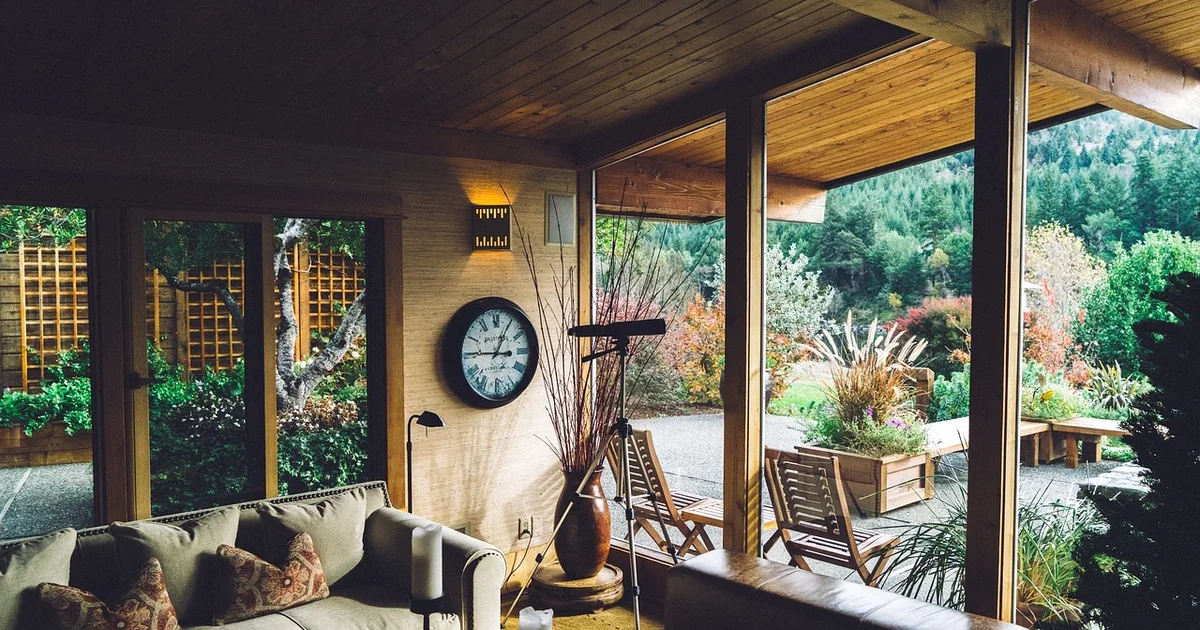
You know how to make a living room feel warm and inviting. You choose the right throw pillows, pick a rug that anchors the space, and add lighting that flatters every corner. Now imagine taking that same instinct outside. You don’t need a degree in landscape architecture to transform a plain patio into a patio outdoor living room. All you need is a handful of clever upgrades that borrow from indoor design. The best part? Most of these ideas cost less than a dinner out and take an afternoon to complete. Let’s walk through seven easy ways to turn your patio into an extension of your home—a place where morning coffee tastes better and evening conversations linger longer.
Why Focus on the Patio?
Your entire backyard might feel like a blank canvas, but tackling the whole thing at once can be overwhelming. Instead, zero in on the area right outside your door—the patio or deck. By treating this zone as a patio outdoor living room, you create a natural hub that draws people outside. Statistics from the American Society of Landscape Architects show that outdoor living spaces have ranked among the top three requested features for home renovations every year since 2014. Concentrating on one defined area makes the project manageable and delivers maximum visual impact. Once your patio feels like a room, the rest of the garden benefits from the ripple effect.
Way #1: Add a Canopy Over Your Pergola
From Open Framework to Cozy Ceiling
A pergola feels like a skeleton. It defines the space but offers little shelter from sun or rain. Adding a material roof instantly transforms it into something closer to an indoor room. Rolls of reed fencing are a budget-friendly option. You can cut them to size with basic scissors and attach them to crossbeams using zip ties. If you prefer a cleaner look, purpose-made pergola canopies come in waterproof fabrics with grommets and ties for easy installation. A solid canopy also provides shade, lowering the surface temperature of your patio by as much as 15°F on a hot afternoon. Suddenly, your patio becomes usable even during the brightest part of the day.
What About Permanent Roofs?
If you own your home and plan to stay for years, consider a polycarbonate or corrugated metal roof. These materials let in soft, diffused light while keeping rain out. Even a partial canopy—covering just the seating area—makes the space feel more enclosed and intimate. The psychological shift is real: overhead coverage signals “this is a room” to your brain.
Way #2: Bring Chic Vibes With Compact Container Hydrangeas
One Shrub, Instant Elegance
Indoor designers know that a single statement piece can transform a room. The same logic applies outdoors. A potted hydrangea with multiple blooms acts like a living centerpiece. ‘Little Lime’ is a dwarf panicle hydrangea that stays under 4 feet tall but produces creamy lime-green flowers that fade to pink in autumn. ‘Red Sensation’ offers crimson blooms on a compact 3-foot shrub. For tight corners, ‘Tiny Tuff Stuff’ mountain hydrangea reaches only 1–2 feet high and wide. These plants thrive in containers as long as the pot has drainage holes and you water them when the top inch of soil feels dry.
Why Hydrangeas Work So Well
Hydrangeas bloom for weeks, sometimes months, providing color that changes as the season progresses. They bridge the gap between indoor decoration and outdoor gardening. Place one next to a seating area, and it becomes a natural focal point. Unlike annual flowers that need replacing every season, a well-cared-for hydrangea returns year after year, growing fuller each time.
Way #3: Hang a Pendant Lamp
Mimic Indoor Lighting Traditions
Hanging a pendant lamp from a pergola beam or an overhead hook instantly brings an interior mood to your patio. It mimics the way light fixtures define a room inside your house. Look for solar- or battery-operated models to avoid wiring hassles. Pay attention to the Ingress Protection (IP) rating: a fixture rated IP66 can withstand powerful water jets and dust, so it will last for years. A lamp rated IP44 offers protection against splashes but may not survive a full winter outdoors. Choose a lamp made from natural materials like faux rattan or bamboo—it blends seamlessly with the garden environment.
Placement Tips
Hang the pendant over a dining table or a cluster of chairs. The light should be low enough to cast a warm glow on faces but high enough that no one bumps their head. Aim for a distance of about 30 inches above the table surface. On summer evenings, the soft illumination makes your patio feel like a candlelit dining room.
Way #4: Plant a Bowl of Succulents
A Stylish, Low-Maintenance Accent
A wide, shallow bowl filled with a mix of succulents adds texture and color to any patio table or step. Succulents come in hardy varieties like Sempervivum (hens-and-chicks), Sedum (stonecrop), and Delosperma (ice plant) that survive freezing temperatures. Tender succulents such as Echeveria and Haworthia can be overwintered indoors. Purchase a selection pack of plugs online—20 plants often cost less than a single large houseplant.
The Drainage Problem
Many decorative bowl planters lack drainage holes, which is a recipe for root rot. Solve this by adding a 1-inch layer of gravel or charcoal at the bottom. Better yet, drill a hole with a masonry bit if the bowl is made of ceramic or stone. Water succulents only when the soil feels completely dry. A well-kept succulent bowl looks chic for months with almost no upkeep.
You may also enjoy reading: 7 Secrets to Plant & Grow Trillium.
Way #5: Gather Around a Firebowl
The Primal Pull of Flames
The urge to gather around a fire runs deep in human history. Adding a firebowl to your patio outdoor living room taps into that homing instinct. Even if you live in a smokeless zone or on a balcony, tabletop fire bowls fueled by gel or ethanol provide real flames without smoke. A typical 20-inch firebowl can warm a 10-foot area, extending your patio season by two or three months in cooler climates. Friends and family naturally gravitate toward the glow, making conversation easier and more memorable.
Safety First
Place the firebowl on a non-flammable surface such as stone, concrete, or metal. Keep it at least 10 feet from structures and overhanging branches. Follow local regulations regarding open flames. A simple firebowl with a mesh cover adds ambiance without demanding much space.
Way #6: Add the Ambiance of Flickering Candlelight
Layers of Soft Light
Firebowls and pendant lamps provide overhead or central light, but candles create intimate pockets of illumination. Cluster pillar candles on a side table or line the edge of your patio with glass hurricanes. Battery-operated LED candles with realistic flicker are safe if you have children or pets. Aim for three to five sources of light at different heights—a mix of tabletop, floor, and overhead—to achieve the layered lighting designers use inside.
Choosing Candle Holders
Use holders made from materials that resist wind, such as thick glass or cast iron. Lanterns with hinged doors protect flames from breezes while casting geometric shadows. Citronella candles add a subtle scent while repelling mosquitoes. The cumulative effect of multiple small flames makes your patio outdoor living room feel like an enchanting escape.
Way #7: Define the Space With an Outdoor Rug
Anchoring Furniture Like an Interior
An outdoor rug is the simplest way to define a seating area. It tells the eye where the room begins and ends. Choose a rug made from recycled polypropylene or other weather-resistant fibers—these materials withstand rain, UV rays, and foot traffic without fading or molding. A 5-foot-by-8-foot rug works well for a small conversation set; larger patios may need an 8-foot-by-10-foot rug to anchor a dining table.
Maintenance Made Easy
Shake out the rug weekly to remove debris. Hose it down if it gets dirty, and let it dry in the sun. Avoid jute or natural fiber rugs outdoors—they absorb moisture and rot quickly. A flatweave design with geometric patterns hides dirt better than a solid color. With proper care, a good-quality outdoor rug lasts five to seven years.
Pulling It All Together
Turning your patio into a living room doesn’t require a big budget or professional help. Start with one or two of these ideas—maybe a canopy and a pendant lamp—and build from there. Each addition layers comfort and style, gradually transforming the space into a true extension of your home. Whether you’re sipping iced tea on a Saturday morning or hosting a late-night barbecue, your new patio outdoor living room will feel as natural and inviting as the rooms inside. Pick the ideas that resonate with your taste, and watch your outdoor space come to life.