Imagine stepping into your backyard and seeing a living wall of color, a fragrant archway, or a shady green tunnel. Climbing perennial vines make this dream a reality. They add vertical interest, create privacy, and soften hardscapes like arbors and trellises. Choosing the right vine, however, can feel overwhelming. You need a plant that returns year after year, fits your climate, and matches your style.
Understanding How Vines Climb
Before picking a vine, understand its climbing method. This determines what kind of support it needs. Some vines twine their stems around posts. Others use tendrils or aerial rootlets to grip surfaces. A few, like climbing roses, need to be tied and trained by hand. Matching the vine to the structure prevents damage and ensures healthy growth.
Twining Vines
These vines wrap their stems around vertical supports. They need thin posts, wires, or latticework to grip. Common examples include wisteria, honeysuckle, and hardy kiwi. Provide a sturdy arbor or a trellis with narrow slats for these plants to coil around.
Tendril and Root Climbers
Tendril climbers, like purple passionflower and clematis, use thin, grasping shoots to hold onto supports. They prefer mesh trellises or wire grids. Root climbers, such as climbing hydrangea and trumpet vine, attach themselves directly to walls or fences with small rootlets. These can damage wood siding over time, so use them on masonry or sturdy structures.
19 Best Climbing Perennial Vines for Your Garden
Here are 19 exceptional vines that will reward you with beauty and longevity. Each entry includes growing tips, size expectations, and hardiness zones to help you choose wisely.
1. Clematis (Clematis spp.)
Clematis is a showstopper in the perennial garden. With roughly 300 species, most are climbing vines. Popular hybrids include ‘Jackmanii’ with deep purple blooms, ‘Nelly Moser’ featuring pink striped petals, and the fragrant sweet autumn clematis. Wire the young plant to its trellis at first. Once established, it weaves its leaf stems through the support on its own. Most varieties are deciduous, so consider where you want winter interest. Blooms appear in a range of colors: white, pink, purple, red, and bicolor. Hardiness zones vary from 4 to 11 depending on the species. Provide full sun to partial shade and medium-moisture, well-drained soil. Mature size ranges from 3 to 15 feet long and 3 to 20 feet wide.
2. Climbing Hydrangea (Hydrangea anomala ssp. petiolaris)
Climbing hydrangea is a slow-growing vine that rewards patience. It uses aerial rootlets to climb walls, fences, or large trees. Unlike some aggressive root climbers, it grows slowly enough to stay manageable. This vine thrives in shady locations, making it a top choice for north-facing walls. It tolerates full sun only if the soil remains consistently moist. The white lacecap flowers resemble shrub hydrangeas. Even after blooms fade, the peeling bark and dried flower heads provide winter interest. Hardiness zones are 5 to 9. It prefers partial to full shade with rich, moist, well-drained soil. Mature size reaches 30 to 50 feet tall and 5 to 6 feet wide.
3. Chocolate Vine (Akebia quinata)
Chocolate vine blooms in April with unusual, spicy-scented blossoms in brownish-purple. These pendants hang gracefully along the vine. The semi-evergreen foliage stays attractive with oblong leaves arranged in leaflets of five. This vine grows quickly, which is a benefit for covering an arbor fast. However, investigate before planting because its rapid spread has labeled it invasive in some regions. Hardiness zones are 5 to 9. Flower colors include brownish-purple and white. It adapts from full sun to full shade and prefers moist, well-drained sandy or loamy soil. Mature length is 15 to 30 feet, with a width of 1 to 2 feet.
4. Hardy Kiwi Vine (Actinidia arguta or Actinidia kolomikta)
Hardy kiwi vine is a cold-hardy relative of supermarket kiwis. Gardeners grow it for its striking foliage, not the fruit. Two species exist: Actinidia kolomikta has variegated leaves with purple and pink highlights, while Actinidia arguta is less vigorous. The small flowers produce a fragrance similar to lily of the valley. This twining vine needs a sturdy support structure. Hardiness zones span 3 to 9. Foliage is green with pink and purple accents on A. kolomikta. It grows best in full sun to partial shade with medium moisture, well-drained loamy soil. Mature height is 25 to 30 feet, spreading 7 to 20 feet wide.
5. Purple Passionflower (Passiflora incarnata)
Purple passionflower, also called Maypop, is a semi-woody vine with large serrated leaves. It climbs using tendrils. The flowers are complex and exotic-looking, often described as otherworldly. Many cultivars offer white, pink, or red blooms. In cooler climates, you can keep them in pots and overwinter them indoors. Hardiness zones are 5 to 9. It thrives in full sun to partial shade with rich, moist, well-drained soil. Mature size reaches 10 to 30 feet tall and 3 to 6 feet wide.
6. Trumpet Vine (Campsis radicans)
Trumpet vine is a vigorous native plant that attracts hummingbirds and butterflies with its fiery orange, red, or yellow summer blooms. It climbs via aerial roots. This vine becomes woody and long, requiring a very strong support. It can be aggressive and invasive in some areas. Pruning is necessary for best flowering and to control its spread. Hardiness zones are 4 to 9. It prefers full sun to partial shade with well-drained soil. Mature size is 30 to 40 feet tall and 4 to 10 feet wide.
7. Climbing Rose (Rosa spp.)
Climbing roses are not true vines but large shrubs with long canes that can be trained to grow vertically. They need to be tied to a trellis or arbor. Popular varieties include ‘New Dawn’ with soft pink blooms, ‘Don Juan’ with deep red flowers, and ‘Lady Banks’ with small yellow blossoms. They bloom repeatedly through the season. Hardiness zones vary by variety, typically 4 to 9. Provide full sun and rich, well-drained soil. Mature size depends on the cultivar, ranging from 8 to 20 feet tall.
8. Honeysuckle (Lonicera spp.)
Honeysuckle is a classic twining vine known for its sweet fragrance. Varieties like ‘Goldflame’ and ‘Dropmore Scarlet’ offer vibrant blooms from late spring through summer. The flowers attract hummingbirds and bees. Most are deciduous, though some are semi-evergreen in mild climates. Hardiness zones are 4 to 9. They prefer full sun to partial shade with moist, well-drained soil. Mature size ranges from 10 to 20 feet tall.
9. Wisteria (Wisteria sinensis or Wisteria floribunda)
Wisteria is a breathtaking vine with cascading clusters of purple, blue, or white flowers in spring. It is a twining vine that needs an extremely sturdy arbor or pergola. It can take several years to bloom, so patience is key. Regular pruning encourages flowering and controls its size. Hardiness zones are 5 to 9. It requires full sun and well-drained soil. Mature size can reach 30 feet or more.
10. Silver Lace Vine (Fallopia aubertii)
Silver lace vine is a fast-growing twining vine that produces a profusion of small, creamy white flowers in late summer and fall. It is excellent for quickly covering a large arbor or fence. It is not fussy about soil and tolerates some shade. Hardiness zones are 4 to 8. Mature size reaches 25 to 35 feet.
11. Crossvine (Bignonia capreolata)
Crossvine is a native evergreen vine with showy orange-red trumpet-shaped flowers in spring. It attracts hummingbirds and is less aggressive than trumpet vine. It climbs using tendrils. Hardiness zones are 5 to 9. It thrives in full sun to partial shade with well-drained soil. Mature size is 30 to 50 feet.
12. Climbing Euonymus (Euonymus fortunei)
Climbing euonymus is an evergreen vine that clings to walls and fences with aerial rootlets. It offers glossy green leaves, and some varieties have variegated foliage. It is a good choice for covering a shady wall. Hardiness zones are 5 to 8. It prefers partial shade to full shade with moist, well-drained soil. Mature size is 15 to 20 feet.
13. English Ivy (Hedera helix)
English ivy is a classic evergreen root climber for shady areas. It provides dense coverage and year-round greenery. However, it is considered invasive in many parts of the United States. Use caution and consider native alternatives. Hardiness zones are 4 to 9. Mature size can reach 50 feet or more.
You may also enjoy reading: Dahlia Fertilizer Decoded: 7 Tips for Giant Blooms.
14. Virginia Creeper (Parthenocissus quinquefolia)
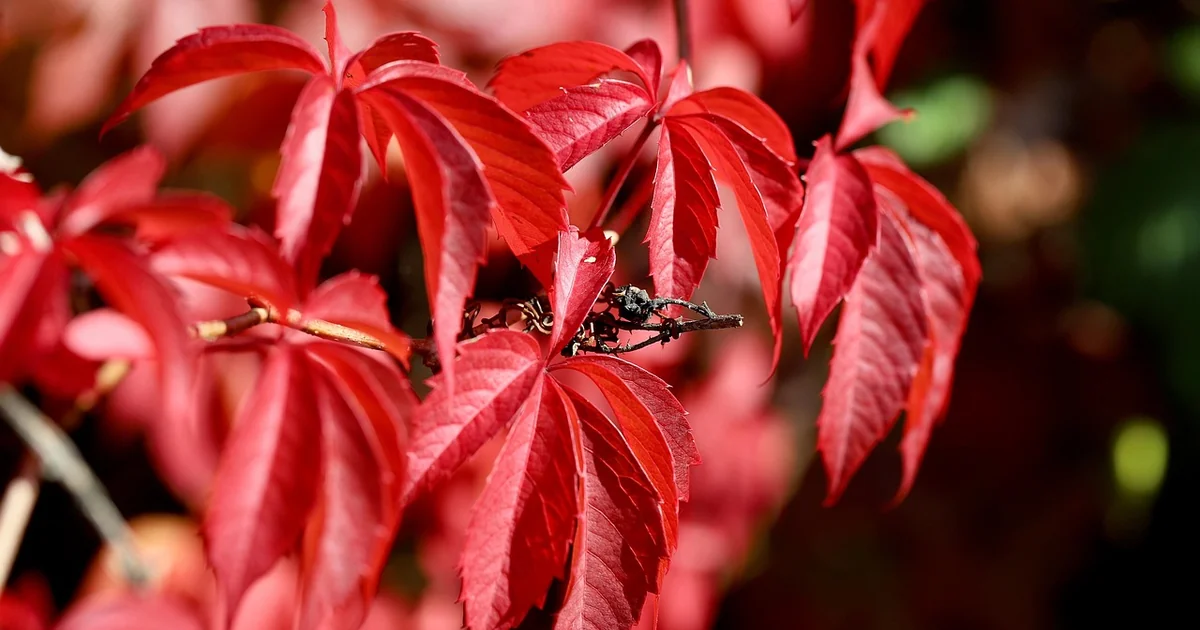
Virginia creeper is a native deciduous vine with brilliant red fall foliage. It climbs using tendrils with adhesive discs. It grows quickly and is excellent for covering large structures. Hardiness zones are 3 to 9. It adapts to sun or shade and most soils. Mature size is 30 to 50 feet.
15. Boston Ivy (Parthenocissus tricuspidata)
Boston ivy is similar to Virginia creeper but with larger, three-lobed leaves. It turns a stunning crimson in autumn. It clings to walls without damaging masonry. Hardiness zones are 4 to 8. It prefers full sun to partial shade. Mature size is 30 to 50 feet.
16. Dutchman’s Pipe (Aristolochia macrophylla)
Dutchman’s pipe is a vigorous twining vine with large, heart-shaped leaves that create dense shade. Its unusual flowers resemble a curved pipe. It is a host plant for pipevine swallowtail butterflies. Hardiness zones are 4 to 8. It grows in full sun to partial shade with moist soil. Mature size is 20 to 30 feet.
17. Carolina Jessamine (Gelsemium sempervirens)
Carolina jessamine is an evergreen twining vine native to the southeastern United States. It produces masses of fragrant yellow trumpet flowers in early spring. It is a great choice for a sunny arbor. Hardiness zones are 6 to 9. Mature size is 10 to 20 feet.
18. Climbing Fig (Ficus pumila)
Climbing fig is a tropical-looking evergreen root climber. It has small heart-shaped leaves that tightly adhere to walls. It is best suited for warm climates. Hardiness zones are 8 to 11. It prefers partial shade with moist soil. Mature size is 15 to 20 feet.
19. Mandevilla (Mandevilla spp.)
Mandevilla is a tropical vine with showy pink, red, or white trumpet flowers. It is often grown as an annual in cooler zones but is a perennial in zones 9 to 11. It climbs by twining and needs a trellis. Provide full sun and regular water. Mature size is 3 to 10 feet.
Planting and Care Tips for Success
Plant vines in spring or fall when temperatures are mild. Dig a hole twice as wide as the root ball and the same depth. Backfill with native soil mixed with compost. Water deeply after planting. Mulch around the base to retain moisture and suppress weeds.
Training and Pruning
Guide young vines toward their support. Use soft ties or garden twine for vines that do not climb on their own. Prune at the right time for each species. Spring-blooming vines like wisteria should be pruned after flowering. Summer-blooming vines like trumpet vine can be pruned in late winter or early spring. Regular pruning keeps vines healthy and encourages more blooms.
Watering and Fertilizing
Water new vines regularly until established. Established vines are more drought-tolerant but perform best with consistent moisture. Apply a balanced fertilizer in early spring. Avoid high-nitrogen fertilizers, which promote leaf growth at the expense of flowers.
Common Problems and Solutions
Vines can face pests like aphids, spider mites, and scale. Inspect leaves regularly. A strong spray of water dislodges many pests. Neem oil works for persistent infestations. Powdery mildew appears in humid conditions. Improve air circulation by pruning crowded growth. Choose disease-resistant varieties when possible.
Managing Aggressive Growers
Some vines spread rapidly. Trumpet vine, chocolate vine, and English ivy can become invasive. Plant them in contained areas or use root barriers. Regular pruning keeps them in check. Consider native alternatives like crossvine or Virginia creeper for a less aggressive option.
Selecting the best climbing perennial vines for your arbors and trellises transforms your outdoor space into a living sanctuary. Whether you crave fragrant blooms, lush foliage, or vibrant fall color, there is a vine for every garden. Take time to match the plant to your specific conditions. With proper care, these perennial climbers will reward you for years to come.