Why Species Selection Matters for Bonsai Success
Choosing the right bonsai tree species determines nearly every aspect of your experience as a grower. Light requirements, watering frequency, indoor versus outdoor placement, and responsiveness to training all trace back to that single decision. A species that matches your environment and commitment level will thrive under your care. One that fights against your conditions will struggle no matter how carefully you water or prune.
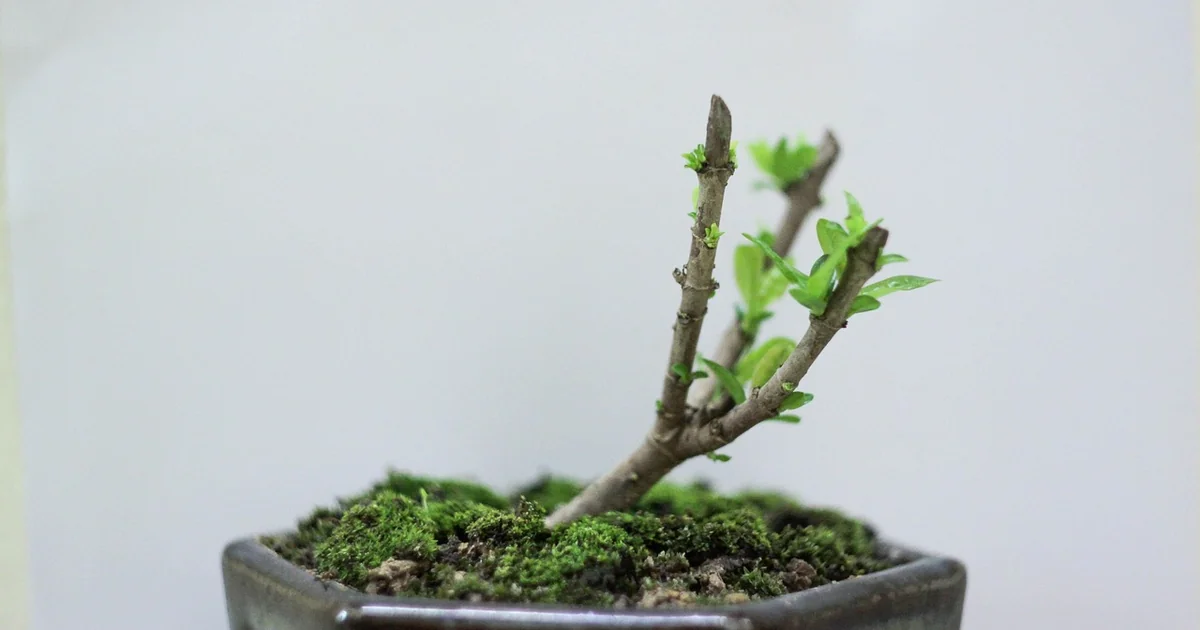
About 37 percent of new bonsai owners abandon their first tree within six months, according to surveys from horticultural societies. The most common reason cited is frustration with a species that did not suit their living situation. A person in a dim apartment who picks a sun-hungry pine sets themselves up for disappointment. Someone who travels weekly and chooses a moisture-sensitive maple faces a similar outcome. Matching the tree to the grower matters more than any technique or tool.
The term bonsai tree species refers to the specific type of woody plant you train and shape. Not every tree works well for this art form. The best candidates have small leaves or needles, flexible branches, and a natural tendency to develop woody trunks over time. Some species respond to pruning by producing dense branching. Others back-bud readily when cut back. A few tolerate radical root reduction without going into shock. Understanding these traits helps you pick a species that aligns with your goals.
19 Bonsai Tree Species Every Enthusiast Should Know
The following species represent a broad range of styles, difficulty levels, and growing conditions. Some are classic choices that have been trained for centuries. Others offer unique features such as flowers, fruit, or autumn color. Each entry includes practical details about care needs, growth habits, and the type of bonsai aesthetic it supports.
1. Juniper
Juniper is often the first species recommended to beginners for good reason. It tolerates heavy pruning without dying back and responds well to wiring. The foliage consists of soft scale-like or needle-like leaves that reduce in size under training. Junipers need full sun outdoors year-round. They cannot survive indoors long-term. The species back-buds reliably from old wood, which means you can cut back to bare branches and still get new growth. This makes juniper ideal for learning wiring techniques because mistakes in branch placement can be corrected the following season. The common procumbens nana variety has been used in bonsai for over a century.
2. Ficus
Ficus ranks as one of the most common indoor bonsai tree species in the world. Native to tropical regions, it adapts to indoor light levels better than most trees. The species forgives inconsistent watering better than almost any other bonsai candidate. If you forget to water for a day or two, ficus rarely shows stress. It produces aerial roots in humid conditions, adding a dramatic ancient appearance to the trunk base. The leaves are leathery and glossy, and they reduce in size with regular pruning. Ficus responds well to defoliation techniques that encourage smaller leaves and denser branching. The Ginseng variety with its thick, bulbous roots is widely available and affordable.
3. Japanese Red Maple
Japanese red maple offers stunning seasonal color shifts from spring greenish-red through summer bronze to brilliant autumn crimson. It ranks among the most affordable bonsai tree species for novice growers. The tree tolerates pruning mistakes that would kill more sensitive varieties. New shoots emerge readily from nodes along the branch, so cutting in the wrong place is rarely fatal. However, this species demands consistent moisture. Missing a single day of watering during hot weather can cause leaf scorch that takes weeks to recover from. Japanese red maple grows best outdoors in partial shade. It needs winter protection in freezing climates because its roots sit in a shallow pot with limited insulation.
4. Chinese Elm
Chinese elm is one of the few species that thrives both indoors and outdoors. This flexibility makes it a top choice for growers who want options. The small serrated leaves reduce nicely under training. The bark develops corky ridges with age, creating an authentic old-looking trunk without needing decades of growth. Chinese elm is excellent for learning pruning techniques because it back-buds vigorously. Every cut produces two or three new shoots, allowing you to practice ramification the art of developing fine branching. It tolerates root pruning well during repotting. The tree grows quickly, so you see results from your training within a single season. Indoor trees need bright indirect light. Outdoor trees can handle full sun once acclimated.
5. Japanese Black Pine
Japanese black pine is the classic choice for formal upright bonsai styles. The rugged bark and dark green needles create a silhouette that resembles ancient pines growing on coastal cliffs. This species responds to candle pruning a technique where spring candles are cut back to control needle length and encourage branching. Black pine demands full sun and excellent drainage. It does not tolerate indoor conditions at all. The tree grows vigorously during the growing season and requires regular needle plucking to maintain scale and shape. Black pine is harder to master than juniper or ficus, but its dramatic character rewards experienced growers. Seedlings develop into convincing miniature pines within about five years of consistent training.
6. Trident Maple
Trident maple is prized for its strong root system and reliable autumn color. The leaves have three distinct lobes giving the species its common name. They reduce to about half their normal size under bonsai training. Trident maple heals from cuts faster than most deciduous trees, making it suitable for aggressive pruning styles. The tree develops surface roots nebari naturally, especially when grown in wide shallow pots. It prefers outdoor placement with full to partial sun. Regular watering is essential during summer, but the tree handles brief dry spells better than Japanese red maple. Trident maple is a popular choice for broom style bonsai, where the trunk splits into many fine branches forming a dome shape.
7. Japanese White Pine
Japanese white pine offers softer, more delicate needles than its black pine cousin. The needles are bluish-green and grow in clusters, giving the tree a refined and elegant appearance. This species grows slowly, which means wiring and shaping decisions matter because corrections take longer to implement. White pine needs excellent drainage and full sun outdoors. It requires careful watering because the roots are sensitive to both drought and waterlogging. In Japan, white pine is traditionally grafted onto black pine rootstock to improve vigor and disease resistance. The tree works well for formal and informal upright styles. Its compact growth habit suits smaller bonsai sizes.
8. Dwarf Jade
Dwarf jade is not a true conifer despite its needle-like leaves. It belongs to the succulent family, which explains its remarkable drought tolerance. The trunk thickens quickly, developing a bark-like texture that resembles ancient juniper. Dwarf jade stores water in its leaves and stems, so it handles weeks of neglect without issue. This trait makes it ideal for forgetful waterers or frequent travelers. The tree thrives indoors on a bright windowsill. It does not tolerate frost at all and must stay above 50 degrees Fahrenheit. Dwarf jade roots easily from cuttings, so you can create multiple trees from a single parent plant. The compact growth habit and small leaves make it a natural candidate for miniature bonsai.
9. Chinese Sweet Plum
Chinese sweet plum produces tiny flowers in spring that carry a mild fragrance, followed by small purple fruits. The bark cracks and peels with age, adding character to the trunk. The leaves are small and glossy, reducing well under training. This species thrives indoors in bright light and high humidity. It needs consistent moisture but cannot sit in standing water. Chinese sweet plum back-buds reliably, supporting dense branch development. The tree is less common than ficus or Chinese elm, making it a distinctive addition to any collection. It responds well to wiring when the branches are still flexible in early spring.
10. Japanese Flowering Cherry
Japanese flowering cherry delivers a spectacular display of pink or white blossoms in early spring before the leaves emerge. The flowers last about two weeks, but the memory of that display carries through the rest of the year. This species needs full sun outdoors and consistent watering during the flowering period. It is less forgiving of pruning mistakes than maple or elm, so beginners should practice on other species first. The bark develops horizontal lenticels that add visual interest during winter dormancy. Flowering cherry is best trained in larger sizes where the trunk has room to develop thickness. The roots need winter protection in cold climates because they sit in shallow pots.
11. Wisteria
Wisteria is grown for its cascading flower clusters that can reach 12 inches or longer. The flowers are usually purple, violet, or white, depending on the cultivar. Wisteria requires full sun and abundant water during the growing season. The vine grows aggressively, so pruning must be performed multiple times per year to maintain shape. Wisteria is trained as a cascade or semi-cascade style that mimics its natural climbing habit. The trunk thickens rapidly, allowing older specimens to look impressively mature within a decade. Wisteria needs a deep pot to accommodate its strong root system. It is an advanced species that rewards dedicated care with breathtaking blooms.
12. Azalea
Azalea offers vivid flowers in shades of pink, red, white, and purple. The small evergreen leaves provide year-round foliage even when the tree is not blooming. Azalea prefers acidic soil with a pH between 4.5 and 6.0, which requires special attention when mixing your growing medium. The tree flowers on old wood, so pruning must happen immediately after blooming ends to avoid cutting off next year’s buds. Azalea thrives outdoors in partial shade. It needs protection from afternoon sun in hot climates. The roots are fine and dense, requiring repotting every two years to prevent them from becoming pot-bound. Azalea is one of the few flowering bonsai tree species that maintains compact form naturally even without aggressive pruning.
13. Crabapple
Crabapple produces pink or white flowers in spring followed by tiny apple fruits that persist into winter. The fruits are about the size of a marble, adding ornamental interest during the dormant season. The tree needs full sun outdoors and consistent watering during fruit development. Crabapple responds well to pruning but requires careful timing to avoid removing flower buds. The trunk develops rough bark with age, creating an convincingly ancient look. This species works well for informal upright and broom styles. The fruits attract birds, which adds an interactive element to your bonsai display. Crabapple needs winter chill to set fruit, so it is poorly suited to tropical climates.
14. Ginkgo
Ginkgo is one of the oldest tree species on earth, with fossil records dating back over 200 million years. The distinctive fan-shaped leaves turn brilliant gold in autumn before dropping. Ginkgo is remarkably resilient, surviving pests, pollution, and urban conditions that kill other trees. It grows slowly in containers, maintaining its shape without frequent pruning. The tree prefers full sun outdoors and tolerates a range of soil conditions. Ginkgo does not produce flowers or fruit in cultivation because nursery trees are male clones. The leaf shape is so recognizable that a ginkgo bonsai is instantly identifiable even from a distance. It works best in formal upright style that showcases the straight trunk and layered branches.
You may also enjoy reading: Birds Fighting in Your Yard? 5 Easy Ways to Peace.
15. Japanese Larch
Japanese larch is one of the few deciduous conifers used in bonsai. The soft green needles emerge in spring, deepen through summer, and turn golden yellow before falling in autumn. The bare winter silhouette reveals the branching structure, allowing you to assess your wiring and pruning work. Larch needs full sun outdoors and consistent moisture. It does not tolerate heat well and struggles in climates with hot summers. The tree grows quickly, adding several inches of new growth each year. Larch roots are fibrous and dense, filling a pot rapidly. Repotting every year or two is necessary to maintain health. The species is excellent for informal upright and forest group plantings where multiple trees share a single container.
16. Chinese Quince
Chinese quince produces attractive flaking bark in patches of brown, gray, and orange. The leaves are oval and provide decent autumn color in yellows and oranges. The tree bears small fragrant fruits that are hard and astringent but carry a pleasant scent. Chinese quince handles root pruning well and adapts to container life without stress. It prefers full sun outdoors and regular watering during the growing season. The trunk thickens at a moderate pace, developing the kind of aged character that bonsai artists seek. Chinese quince is less common in bonsai than apple or crabapple, making it a good choice for growers who want something distinctive.
17. Bougainvillea
Bougainvillea is known for its colorful bracts that surround the small white flowers. The bracts come in shades of magenta, orange, pink, red, purple, and white. Bougainvillea needs full sun and warm temperatures to bloom. It cannot tolerate frost and must stay above 45 degrees Fahrenheit year-round. The tree thrives indoors in a sunny window or outdoors in warm climates. Bougainvillea responds well to pruning but the thorns require careful handling during training. The wood is brittle, so wiring must be done gently to avoid snapping branches. This species flowers best when slightly root-bound, which makes it well-suited to the shallow pots used in bonsai. Bougainvillea adds intense color that contrasts beautifully with the muted tones of traditional bonsai pots.
18. Olive
Olive trees have been cultivated for thousands of years, and their gnarled trunks and silver-green leaves translate perfectly to bonsai form. The tree produces small white flowers in spring followed by green fruits that ripen to black. Olive needs full sun and excellent drainage to thrive. It tolerates drought well once established, making it suitable for growers who sometimes forget to water. The trunk develops cracks and hollows naturally with age, creating the ancient appearance that bonsai artists value. Olive grows slowly in containers but consistently. Wiring is best done on young branches before they stiffen. This species works well for informal upright and driftwood styles where deadwood features are incorporated into the design.
19. Boxwood
Boxwood has been used in ornamental gardening for centuries, and its small evergreen leaves and dense growth habit make it a natural bonsai candidate. The leaves reduce well under training, and the tree tolerates heavy pruning without complaint. Boxwood grows in partial shade to full sun outdoors. It can survive indoors for limited periods but performs best with seasonal outdoor exposure. The roots are fine and dense, requiring regular repotting to maintain health. Boxwood is susceptible to root rot if overwatered, so the soil mix must drain freely. The tree works well for formal upright and cascading styles. Boxwood is often overlooked by bonsai enthusiasts, but its resilience and classic appearance deserve more attention.
Matching Your Bonsai Tree Species to Your Environment
The single most important decision you make as a bonsai grower is choosing a species that matches where you live and how you live. Indoor species such as ficus, dwarf jade, and Chinese sweet plum tolerate lower light and stable temperatures. Outdoor species such as juniper, pine, and maple need seasonal changes and cannot survive prolonged indoor life.
Consider your local climate before selecting a bonsai tree species. Growers in warm southern zones can keep tropical and subtropical trees outdoors year-round. Those in northern climates must provide winter protection for temperate species or invest in indoor setups for tropical varieties. If you live in an apartment with east-facing windows, choose ficus or dwarf jade instead of black pine or larch. If you have a balcony or yard with full sun exposure, Japanese black pine or trident maple will reward you with vigorous growth.
Your schedule matters too. Busy professionals who travel regularly should lean toward drought-tolerant species such as dwarf jade, olive, or ficus. Retirees who enjoy daily hands-on care can manage the watering demands of Japanese red maple or Chinese elm. Honest self-assessment of your available time prevents frustration and tree loss.
The Role of Soil in Supporting Your Bonsai Tree Species
Standard potting soil kills bonsai trees. The shallow pots and restricted root space require a specialized mix that drains rapidly while retaining enough moisture for root health. A typical bonsai soil blend includes akadama a Japanese clay mineral that holds water and slowly breaks down pumice for aeration, and black lava rock for drainage. Horticultural additives such as sand or fine gravel adjust the texture for specific species.
Conifers such as pine and juniper need a coarser mix with larger particles to prevent waterlogging. Deciduous species such as maple and elm benefit from a slightly finer blend that retains more moisture. Tropical species such as ficus and jade tolerate a higher organic content but still need excellent drainage. Using the wrong soil mix for your chosen species leads to root rot, poor growth, and eventual decline. Investing in proper soil from the start saves you the heartache of losing a tree you have spent months or years training.
Repotting every two to three years replaces exhausted soil and gives you a chance to inspect and trim the root system. Spring is the ideal time for most species. Some vigorous growers such as Chinese elm and trident maple need annual repotting when young. Slower species such as Japanese white pine and olive can wait three years between repots. Learning the specific soil and repotting needs of your chosen species is part of the long-term commitment that makes bonsai so rewarding.
Choosing from the 19 species covered here gives you a strong foundation for your bonsai journey. Each tree offers unique traits, challenges, and rewards. Start with a species that matches your environment and experience level. Learn its specific care requirements. Develop your pruning and wiring skills on a forgiving tree before moving to more demanding varieties. The art of bonsai unfolds over years and decades. The right species makes every year along that path enjoyable and productive.