It is easy to assume that towering, sprawling plants belong only in open garden beds, not crammed into pots on a balcony or tucked beside a patio door. That assumption keeps many gardeners stuck with polite little annuals when they could be growing something truly dramatic. The truth is that a surprising number of substantial species adapt remarkably well to life in a container, provided you match the pot size, root care, and feeding schedule to what the plant demands rather than what is convenient. With the right approach, large plants for containers can thrive, fruit, and flower with enough intensity to transform a small outdoor space into a private jungle or mini orchard. The seven plants below break the usual rules of what “belongs” in a pot, and each one delivers instant visual or edible impact from the moment it establishes.

Breaking the Rules with Large Plants for Containers
Standard garden soil is the enemy of almost any potted plant, but it is especially destructive for big, vigorous species. It compacts inside a container, suffocating roots and trapping water until rot sets in. Instead, you need a highly porous potting mix. Blend a quality peat- or coir-based mix with coarse horticultural sand or perlite — roughly one part grit to three parts mix — to guarantee drainage that stays fast even after repeated watering.
Before you plant, scrub second-hand pots with a mild bleach solution (one part bleach to nine parts water) to kill lingering pathogens. Verify that drainage holes are clear, and if the pot is heavy, lift it an inch or two off the ground using pot feet or wooden blocks. This simple step prevents the base from sitting in water after rain. A soil moisture meter, such as a four-in-one model that also checks pH and light, takes the guesswork out of watering heavy feeders. With these basics in place, you are ready for the seven rule-breakers that follow.
Seven Showstoppers That Defy Container Logic
1. Peach Trees (Dwarf Cultivars)
A fruit-laden peach tree seems like the last candidate for a pot, yet dwarf varieties such as Garden Gold or Bonanza will pump out full-sized peaches from a twenty-gallon container. Because peaches flower early on bare wood, the portability of a pot gives you a huge advantage: you can roll the tree under a porch overhang when a late spring frost threatens those delicate pink blossoms. These trees are hardy perennials in zones five through nine, so they overwinter outdoors with minimal protection in most regions.
Productivity depends on root management. Every two to three years, in late winter, lift the tree out of its pot and use a sharp pruning saw to shear back the outer third of the root ball. Then refresh the container with fresh, loam-based potting mix. This root-pruning practice prevents the tree from becoming pot-bound and stimulates new feeder roots that drive fruit production. After fruit set, apply a high-potassium liquid feed every fourteen days to guarantee a bumper crop. Use a half-barrel or a heavy ceramic tub that will not tip when the canopy becomes top-heavy with ripening fruit.
2. Climbing Roses (Zephirine Drouhin and William Baffin)
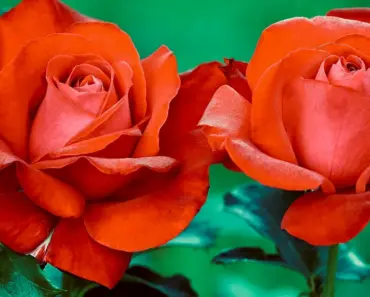
Most climbing roses are planted in open ground, but certain cultivars respond to root restriction by channeling their energy into repeated flushes of summer blooms rather than rampant top growth. Zephirine Drouhin, a thornless bourbon rose with deep pink flowers, and William Baffin, a rugged Canadian explorer rose, both perform admirably in deep, narrow pots (at least eighteen inches deep and sixteen inches wide). The confined root zone seems to trick these climbers into blooming more heavily than their in-ground counterparts.
Use a highly porous mix — add extra perlite because roses detest soggy feet. Insert a heavy-duty freestanding iron trellis into the pot before planting so you do not have to disturb roots later. Water deeply once the top two inches of soil dry out, and feed every two weeks with a rose-specific fertilizer during the growing season. In zones four through nine, William Baffin survives winter in the pot with minimal protection; Zephirine Drouhin benefits from wrapping the container in bubble wrap or hessian in colder zones.
3. Banana (Musa basjoo)
Nothing says instant tropical impact like a banana plant unfurling paddle-sized leaves from a pot. Musa basjoo, the hardiest banana species, survives winters as far north as zone five if you cut the pseudostem back and mulch heavily over the container. In one growing season, it can reach eight feet tall from a fifteen-gallon pot, creating an immediate privacy screen on a deck or patio.
Bananas are gluttonous feeders. Fill the pot with rich organic mix high in composted manure, and water daily during hot weather — they are essentially water pumps. Apply a balanced liquid fertilizer every week from May through August. For winter, move the pot to a sheltered wall or garage, cut the stem to about six inches, and cover the stump with a thick layer of straw or leaves. The root system stays alive underground and will shoot up again in spring.
4. Dwarf Fig (Ficus carica ‘Petite Negra’)
Figs love root restriction. In the wild, they often fruit best when squeezed into rocky crevices, and that same biology makes them ideal for pots. Petite Negra is a compact cultivar that reaches only about six feet tall, producing two crops of sweet, dark purple figs each season — one in early summer and another in fall — from a fifteen-gallon container.
Use a gritty, well-draining mix and place the pot in full sun. Figs are drought-tolerant once established but need consistent moisture during fruit development to prevent the figs from dropping. Pot up every two years, but be careful: fig roots are vigorous and can crack plastic pots. Choose a heavy ceramic or terracotta container instead. In zones seven and colder, overwinter the pot in an unheated garage or wrap it heavily.
5. Cardoon (Cynara cardunculus)
Cardoon is the architectural giant of the edible ornamental world. It throws up silvery, deeply lobed leaves that can span four feet wide, topped with thistle-like purple flower heads in late summer. Despite its size, cardoon thrives in a twenty-inch pot because it originally evolved in poor, rocky Mediterranean soils. It demands sharp drainage and full sun.
You may also enjoy reading: Eating Cheese Wrong? 1 Simple Trick for Better Taste.
Sow seeds directly into the container in May, or plant a nursery-grown specimen. Cardoon is a short-lived perennial in zones seven through ten, but in colder areas it is best treated as an annual. The flowers attract bees and butterflies, and the stalks can be blanched and eaten like celery. To keep the foliage from sprawling too far, pinch out the central flower bud if you prefer pure leaf architecture, or let it bloom for a dramatic show.
6. Variegated Canna Lily ‘Tropicanna’
Canna lilies are already bold, but the Tropicanna cultivar pushes impact further with striped burgundy, gold, and green leaves and electric orange flowers. It grows to six feet in one season from a large rhizome planted in a fourteen-inch pot. Cannas are heavy drinkers and will bloom continuously from July until frost if given ample water and fertilizer.
Use a loam-based potting mix and sink the rhizome about four inches deep. Place the pot in the sunniest spot you have. Every ten days, apply a high-nitrogen feed during early growth, then switch to a bloom booster high in phosphorus once buds appear. Cannas are tender perennials (zones eight to eleven), so lift the rhizome in autumn and store it in a cool, dark place over winter, then replant in fresh mix the following spring.
7. Goji Berry (Lycium barbarum)
Goji berry is a bushy shrub that can reach eight feet tall and wide in the ground, but it adapts beautifully to a twenty-gallon pot if given support. It produces small purple flowers followed by bright red berries loaded with antioxidants. The plants are hardy to zone three and need minimal care once established, making them one of the easiest large plants for containers to maintain.
Use a general-purpose potting mix with added sand. Place the pot in full sun and insert a sturdy stake or small trellis at planting time. Water moderately — goji is drought-tolerant and hates wet feet. Prune in late winter to remove dead wood and shape the bush. The berries ripen from August through October and can be eaten fresh or dried. One well-grown plant yields up to two pounds of fruit per season.
Making the Most of May Planting
Late spring (around May) is the ideal window for planting almost all of these species. Soil and air temperatures have warmed enough that roots can establish quickly without shock. If you live in a cooler zone, wait until nighttime temperatures stay above fifty degrees Fahrenheit before setting your pots outdoors. For peach trees and figs that are already in pots, this is also the time to begin weekly liquid feeding as new growth appears.
Raising your containers on pot feet or bricks does more than improve drainage. It also prevents the pot from sinking into the ground and allows air to circulate underneath, reducing the risk of fungal diseases. If you are repurposing old olive barrels or whiskey half-barrels, drill additional drainage holes if needed — you cannot have too many for these vigorous plants.
The impulse to reach for dwarf or miniature varieties is understandable, but sometimes the biggest payoff comes from ignoring that instinct. With the right container, the right mix, and a willingness to water and feed generously, large plants for containers can turn a blank patio into a lush, productive, head-turning space that feels far bigger than its square footage.