Why Gardeners Are Moving Past Hydrangeas
There is something undeniably charming about a big, billowing hydrangea bush in full bloom. Those pom-pom clusters in shades of blue, pink, and purple have graced countless garden beds for generations. Yet anyone who has actually cared for hydrangeas knows the truth behind the beauty. These plants demand attention. They require consistent watering, precise pruning schedules, and a near-obsessive watch over soil pH just to produce those coveted flower colors. For many homeowners, the romance fades fast when faced with wilted leaves on a hot July afternoon or yet another season of disappointing blooms.
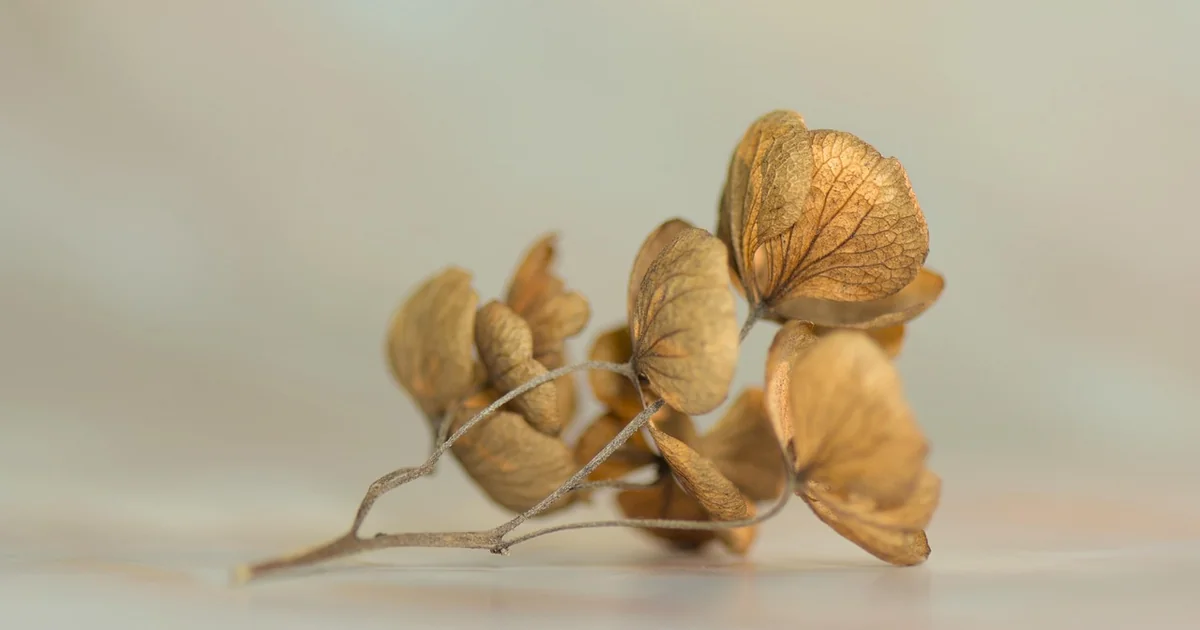
The search for better options has led a growing number of gardeners toward hydrangea alternatives that offer similar visual appeal without the constant maintenance. These shrubs deliver reliable color, interesting texture, and year-round structure while asking very little in return. The shift makes sense. Modern lifestyles leave little room for plants that need coddling. What people want now are shrubs that thrive on neglect, bloom without fuss, and still make the neighborhood take notice.
The Real Problems With Hydrangeas
Before exploring replacements, it helps to understand exactly what makes hydrangeas so challenging. The issues go deeper than occasional wilting.
Water Demands That Drain Your Time
Hydrangeas have shallow root systems that dry out quickly. During hot summer months, they often need deep watering three times per week. Miss a session, and the leaves droop dramatically within hours. For anyone with a busy schedule, this creates constant anxiety. A weekend trip becomes a logistical problem. The plant does not forgive neglect the way sturdier shrubs do.
Pruning Confusion That Kills Blooms
Different hydrangea varieties bloom on different growth. Some flower on old wood. Others bloom on new wood. Still others do both. Mix up the pruning timing, and you accidentally remove all the flower buds for the entire season. This frustration leads many gardeners to avoid pruning altogether, which results in leggy, unkempt plants that bloom only at the very tips.
pH Obsession That Never Ends
The ability to change hydrangea flower color by adjusting soil pH sounds magical until you try it. Achieving bright blue blooms requires consistently acidic soil with a pH around 5.5 or lower. Pink flowers need alkaline conditions. Keeping pH at these specific levels demands regular soil testing and frequent amendments. Many gardeners give up after one season of pale, muddy-colored flowers that resemble neither blue nor pink.
These pain points explain why the market for hydrangea alternatives has grown so rapidly. People still want flowers. They just do not want the drama.
5 Low-Maintenance Shrubs That Deliver the Look Without the Work
Each of these five shrubs offers something unique. Some mimic the rounded flower clusters of hydrangeas. Others provide foliage interest or extended bloom seasons. All of them thrive with minimal intervention. Here they are in no particular order, each one a worthy candidate for your garden.
1. Steady Eddy Viburnum
This cultivar deserves the top spot on any list of hydrangea lookalikes. The Steady Eddy viburnum produces white lacecap flowers that bear a striking resemblance to certain hydrangea varieties. The blooms emerge from deep green foliage in spring, and many plants deliver a second round of flowers in summer. That kind of reliability is rare among flowering shrubs.
What sets Steady Eddy apart from hydrangeas is its easygoing nature. It tolerates drought once established. It resists deer browsing, which makes it ideal for rural or suburban properties where wildlife roaming is common. Soil type does not matter much either. Clay, loam, or sandy ground all work fine. The plant stays compact at about 5 feet tall and wide, making it suitable for small gardens or even large containers on a patio.
Hardy in USDA zones 5 through 8, Steady Eddy handles full sun or partial shade. Water it only when the soil looks dry rather than on a rigid schedule. Pruning is minimal and only needed every three to five years. Just remember to trim after the flowers fade since viburnums bloom on old wood. In autumn, the foliage transforms from green to brilliant burgundy. The plant dies back in winter and reliably returns each spring.
2. Spirea
Spirea shrubs have been garden staples for decades, and for good reason. These tough plants produce abundant clusters of small flowers in shades of pink, white, or red. Many varieties bloom repeatedly from late spring through fall, offering a longer show than most hydrangeas ever provide.
The maintenance requirements for spirea are almost laughably low compared to hydrangeas. They need moderate watering during establishment but become drought-tolerant after the first year. Pruning is simple and forgiving. A hard cutback in late winter or early spring keeps the plant compact and encourages vigorous new growth. Unlike hydrangeas, you do not have to worry about losing next season’s blooms if you trim at the wrong time.
Spirea varieties range from ground-hugging types under 2 feet tall to upright specimens reaching 6 feet or more. This versatility makes them useful for borders, foundation plantings, or massed ground covers. They attract butterflies and bees without demanding anything in return. For gardeners seeking hydrangea alternatives with a proven track record, spirea is hard to beat.
3. Potentilla
Potentilla, sometimes called cinquefoil, is one of the most underrated flowering shrubs in cultivation. It blooms continuously from late spring until the first hard frost, a duration that puts most hydrangeas to shame. The flowers appear in cheerful shades of yellow, white, orange, pink, or red, depending on the cultivar.
What makes potentilla exceptional is its tolerance for cold climates. It thrives in USDA zones 2 through 7, meaning gardeners in northern regions where hydrangeas struggle can still enjoy reliable summer color. The plant stays compact naturally, rarely exceeding 4 feet in height. It requires no deadheading to keep blooming. You can simply plant it and walk away.
Potentilla prefers full sun but tolerates partial shade. It adapts to various soil types as long as drainage is adequate. Pests and diseases rarely bother it. The only maintenance is an occasional shaping prune every few years. For anyone who has battled hydrangea leaf spot or powdery mildew, potentilla offers a refreshingly problem-free experience.
4. Weigela
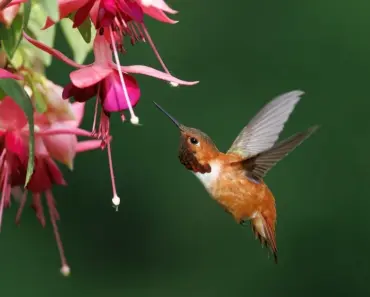
Weigela shrubs bring tubular flowers in shades of pink, red, or white that appear in late spring. Many modern cultivars rebloom intermittently through summer and into fall. The flowers are beloved by hummingbirds and butterflies, adding wildlife value to the ornamental appeal.
Weigela grows faster than hydrangeas and fills in space quickly. It reaches 3 to 6 feet tall depending on the variety. The foliage options have expanded dramatically in recent years. Cultivars with burgundy, gold, or variegated leaves provide color even when the plant is not in bloom. This two-season interest makes weigela a strong contender among hydrangea alternatives.
You may also enjoy reading: Does Tea Expire? 7 Crucial Facts to Know.
Maintenance is minimal. Weigela tolerates drought after establishment. It grows in full sun or light shade. Pruning is optional, though a light shaping after the main bloom flush keeps the plant tidy. Deer tend to leave it alone. The plant is hardy in USDA zones 4 through 8, covering most of the continental United States. For gardeners who want a shrub that works hard without complaint, weigela delivers.
5. Ninebark
Ninebark is a native North American shrub that has gained popularity through improved cultivars. Its name comes from the peeling, layered bark that provides winter interest after the leaves drop. The flowers appear in late spring as rounded clusters of white or pink blooms that resemble some hydrangea forms.
What makes ninebark exceptional is its toughness. It thrives in USDA zones 2 through 7 and tolerates conditions that would kill most hydrangeas. Wet soil, dry soil, clay, rocky ground, full sun, partial shade, it handles all of them. Deer rarely bother it. Diseases and pests are uncommon. This is a plant that simply survives, no matter what you throw at it.
Modern cultivars like ‘Diabolo’ and ‘Center Glow’ offer deep purple foliage that holds its color through summer. ‘Summer Wine’ combines burgundy leaves with pink flowers and a compact habit. These varieties reach 4 to 8 feet tall depending on the selection and the growing conditions. Pruning is optional but best done in late winter. The peeling bark adds texture to the winter landscape, a feature hydrangeas cannot match.
Ninebark represents a different philosophy from hydrangeas. Instead of demanding perfect conditions, it adapts to whatever you have. For gardeners who have struggled with hydrangea failure in challenging sites, ninebark offers a reliable solution.
Planting Tips for Long-Term Success
Even low-maintenance shrubs benefit from good planting practices. A little effort at the start pays dividends for years.
Dig a hole twice as wide as the container but no deeper. The top of the root ball should sit level with the surrounding soil. Backfill with the same soil you removed, without adding fertilizer or compost. Water deeply immediately after planting and continue watering weekly during the first growing season. After that, the shrubs will manage on their own except during extended droughts.
Mulch around the base with 2 to 3 inches of wood chips or shredded bark. This conserves moisture, suppresses weeds, and protects the roots from temperature extremes. Keep the mulch a few inches away from the stem to prevent rot.
Why Low Maintenance Does Not Mean No Maintenance
None of these shrubs require the constant attention that hydrangeas demand. But all plants need some care. The key difference is the frequency and complexity of that care.
With hydrangeas, you monitor soil moisture daily, test pH seasonally, and prune on a precise schedule based on variety. With these five shrubs, you water during dry spells, prune every few years if desired, and otherwise leave them alone. The reduction in labor is dramatic, often saving hours each week during the growing season.
For someone who has spent years struggling with hydrangeas, switching to one of these alternatives feels like a weight lifted. The garden stays beautiful. The flowers keep coming. And you get your weekends back.
The five shrubs described here each bring their own strengths to the landscape. Steady Eddy viburnum offers the closest visual match to hydrangea blooms. Spirea provides extended flowering with forgiving pruning. Potentilla delivers nonstop color in cold climates. Weigela attracts pollinators with showy tubular flowers. Ninebark offers unmatched toughness and winter bark interest. Any of them would make a fine addition to a garden where hydrangeas once demanded more than they gave back.