The decision touches on home security, energy efficiency, and the preservation of your interior fabrics and furniture. You might lean toward closed curtains for privacy, or open drapes to let in natural light and keep plants happy. Different seasons and room locations call for different strategies, which is why a one-size-fits-all approach rarely works. Fortunately, modern solutions like curtain automation and simple sheer panels offer flexible compromises, giving you the peace of mind that your home looks welcoming and stays protected while you are away.
1. Enhance Security and Deter Intruders
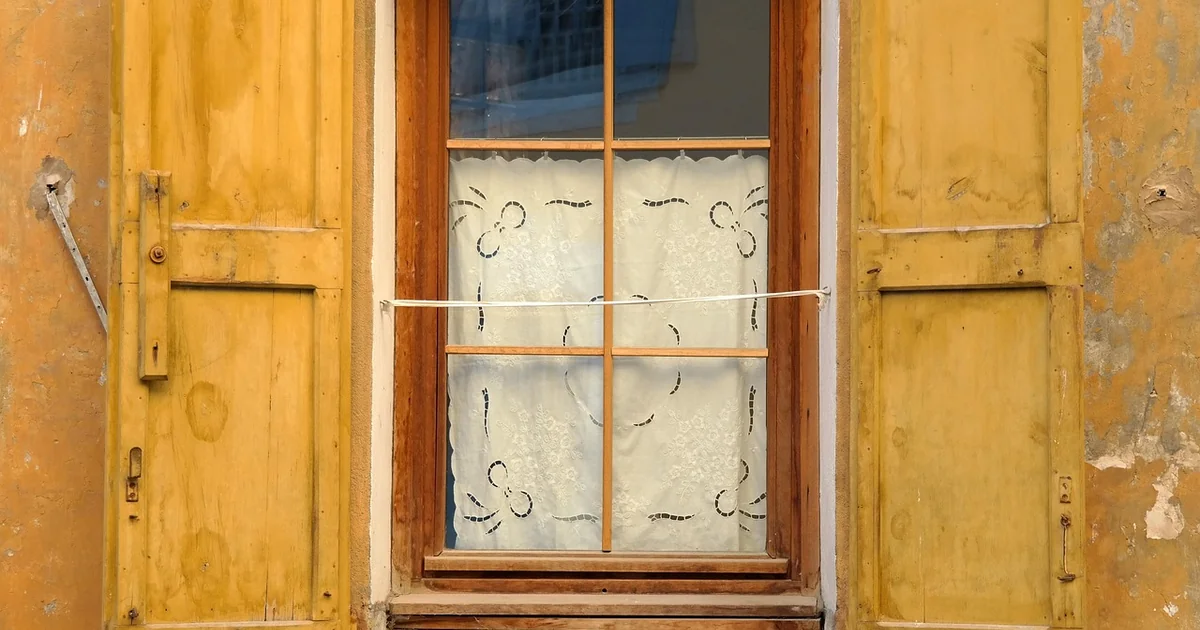
Your curtain position is a silent signal to potential burglars. When deciding whether to leave curtains open or closed, security should be a top priority. Closed curtains during the day can signal you are away, which may actually attract unwanted attention in some neighborhoods. On the other hand, open curtains may expose valuables to anyone passing by, making your home an easy target. For street-facing rooms, it is best to keep curtains closed when away for maximum safety and security. This simple habit acts as a strong burglar deterrent, hiding your belongings from view and removing the temptation for thieves.
If you want a balance between natural light and privacy, consider using sheers for a compromise. Partially open curtains or sheers can limit visibility into your home while still letting in some daylight. This approach keeps your home looking lived-in without fully exposing your interior. For the best home security tips, remember that consistent curtain habits are key. Whether you choose fully closed curtains for street-facing rooms or a layered look with sheers, your privacy curtains should work as a practical, low-maintenance tool to protect your home while you are away.
2. Save Energy by Harnessing Natural Heat
Deciding whether to leave your curtains open or closed while you are away can actually lower your energy bills. The key is to match your choice to the season. In colder winter months, keeping curtains open while out can help warm up your home as sunlight streams in. This simple habit is a form of passive solar heating — you let the sun do the work for free. If you are heading out for the day, throw back the curtains on south-facing windows (or whichever side gets the most sun) so your rooms soak up that warmth. Even a few hours of winter sunlight can take the chill off, reducing the demand on your heating system. The result? Real energy savings without any extra effort on your part.
Summer calls for the opposite approach. When you are out in hot weather, closed curtains can block heat from entering your home. By keeping rooms cooler, you ease the load on your air conditioning or fans, which keeps your space comfortable and your energy use lower. If you want to make the process effortless, look into curtain timers. These affordable gadgets can open and close your drapes automatically. You can set them to close before the afternoon heat builds up and open again later if you need evening light. Whether you are aiming for winter heating or summer cooling, a simple schedule keeps you comfortable without wasting power. With curtains, you really can have a cozier home and a lower energy bill at the same time.
3. Protect Your Furniture and Floors from Sun Damage
Sunlight streaming through your windows might look inviting, but over time it can quietly fade your favorite sofa, darken your hardwood floors, and dull your treasured artwork. That is why deciding whether to keep your curtains open or closed while you are away matters for more than just privacy. Closing your curtains during peak sunlight hours is a simple, low-maintenance way to preserve both the beauty and longevity of your furnishings. The sun’s UV rays are the main culprit behind fading, so providing a barrier when you are not home helps protect your investment. If you still want a welcoming glow without the damage, consider using curtain fabric designed with UV protection. Sheers are another practical option—they diffuse sunlight while obscuring detailed views into the home, offering a balance between natural light and privacy. For the best results, focus on south- and west-facing windows where the afternoon sun is strongest. This small habit of choosing curtains open or closed based on the time of day can keep your interior looking fresh for years.
4. Maintain a Lived-In Look for Added Security
A home that looks occupied is less likely to be targeted. When you decide on curtains open or closed during a trip, think about the message you are sending to anyone passing by. Leaving curtains open can give the impression of presence, a subtle cue that someone may be around the corner. This simple presence illusion acts as a natural burglar deterrence without costing a penny.
For a more realistic approach, partially open curtains or sheers can limit visibility into your home while still letting in natural light. This creates a natural, lived-in appearance that doesn’t scream “empty house.” To take home occupancy simulation a step further, consider using curtain timers. These low-maintenance devices can open and close your curtains at different times, mimicking your daily routine. For best results, combine this with lights on a timer as well. The key is variety: a static look is a dead giveaway, but changing positions throughout the day creates a convincing story that someone is home. This budget-friendly strategy gives you real peace of mind while you are away.
5. Showcase Your Design and Nurture Indoor Plants
When you leave your home, your curtains can do more than just cover the windows. Leaving them open allows you to celebrate your design even in your absence. Passersby and neighbors get a glimpse of your carefully chosen decor, turning your home into a living gallery. Moreover, your indoor plants rely on natural light for survival. By keeping the curtains open, you ensure they receive the sunlight they need to thrive. This simple act supports your indoor plant care routine without extra effort. Consider the specific light requirements of your plants when deciding whether to leave curtains open or closed. Some plants love bright, direct sun, while others prefer filtered light. Adjusting the curtain position accordingly keeps your greenery healthy. For design enthusiasts, open curtains reveal your style, making your home feel welcoming even when you are away. For plant lovers, it is a practical way to maintain your greenery’s health. Balancing curtain aesthetics with your plants’ needs is a smart, low-maintenance strategy that pays off when you return to a vibrant, beautiful home.

Amazon US Verified
Ceramic Fluted Decorative Vase Set
Modern minimalist ceramic vases perfect for shelves, consoles, and dried florals.
Frequently Asked Questions
How can I get natural light without sacrificing privacy when I’m away?
Consider using sheer or semi-sheer curtains in a light, neutral tone. These allow soft daylight to filter in while obscuring a clear view of your interior, offering a practical, low-maintenance solution that keeps your home welcoming rather than dark.
Should I leave curtains open or closed to prevent sun damage to my furnishings?
For rooms with strong, direct sunlight, it is safer to close your curtains to protect fabrics and wood from fading. Use a simple schedule or light-filtering curtains to balance this with your desire for natural warmth, keeping your home both cozy and well-preserved.
Is it safe to leave curtains open or closed as a security measure when I’m not home?
Yes, a simple approach is to leave them partially open or in a natural, everyday position. This avoids signaling that your home is empty, while still offering a practical view of the street if your room faces it, making your home feel lived-in and secure.
As an Amazon Associate, azuloz.com earns from qualifying purchases.