Catmint is one of those rare perennials that rewards you with months of color and fragrance while asking almost nothing in return. If you are wondering how to grow catmint successfully, the process is simpler than you might think. These fast-growing plants form tidy mounds of blue-green foliage in spring, then erupt into rich purple blooms just as the spring bulbs fade and before most summer perennials begin their show. The flowers last for weeks, providing a steady source of nectar for bees and other pollinators. Beyond their beauty, catmint plants also repel mosquitoes and mice, making them a practical addition to any garden. With the right approach, you can enjoy this versatile perennial in borders, along paths, or in mixed beds throughout USDA Zones 3 to 9. Before diving into the tips, note that catmint (Nepeta) is often confused with catnip (Nepeta cataria). While both belong to the same genus, garden catmint varieties are bred for their ornamental value, compact habit, and longer bloom period, rather than the psychoactive effect on cats.
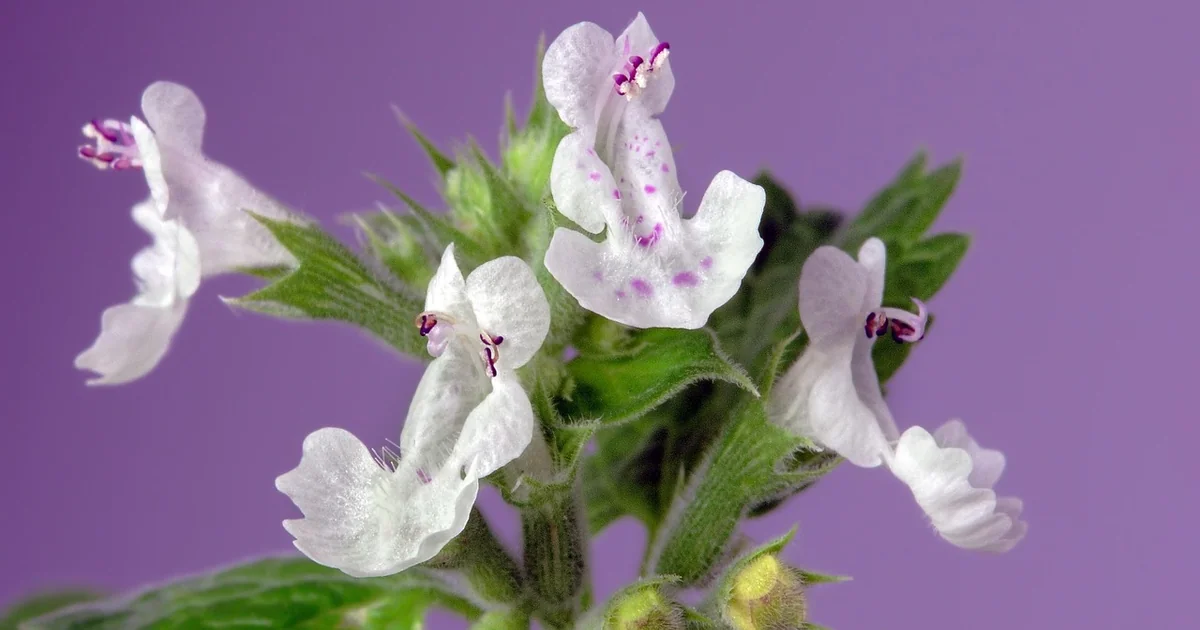
5 Essential Tips for Planting and Growing Catmint
Tip 1: Choose the Right Location and Variety
Sunlight is the most critical factor when learning how to grow catmint successfully. Full sun — at least six hours of direct light daily — keeps stems sturdy and prevents the plant from flopping open. In partial shade, the stems stretch and become leggy, collapsing under the weight of the flowers. In the warmest regions of Zones 8 and 9, a spot with afternoon shade can protect the plant from scorching heat without sacrificing bloom density.
Equally important is selecting a variety that fits your space. Dwarf types like ‘Little Titch’ reach only 8 to 10 inches tall and bloom continuously from late spring into fall, making them ideal for edging paths or tucking into rock gardens. For larger borders, Faassen’s catmint (Nepeta faassenii) grows 1 to 2 feet tall and thrives in hot, dry conditions — a trait that makes it a reliable choice for xeriscaping. If you love dramatic flower spikes, Japanese catmint produces clusters up to 8 inches long, adding vertical interest. Before buying, check whether the variety is sterile; ‘Walker’s Low’, for example, forms dense mounds without self-seeding, preventing unwanted spread. Some species of catmint can become weedy in a garden setting, so sterile hybrids are a safer bet for tidy borders.
Catmint tolerates poor soil, including heavy clay, with surprising ease. Even in tough conditions, it will thrive. However, mixing a handful of organic matter, such as well-rotted compost, into the planting hole gives the roots a gentle boost. Space plants 1 to 3 feet apart, depending on the mature width of the variety; this allows proper air circulation and room for the clump to expand. A pH between 6.0 and 8.0 is ideal, but catmint adapts to most garden soils without complaint.
Tip 2: Plant at the Correct Time and Depth
Spring is the optimal season for planting catmint, as the soil warms and the plant has the entire growing season to establish. Dig a hole that is slightly wider than the rootball but no deeper. Remove the plant from its nursery pot and gently tease apart the outer roots so they can spread outward into the soil. Place the rootball in the hole so the top of the root mass sits level with the surrounding ground. Backfill with soil, pressing down lightly to eliminate air pockets. Water thoroughly to settle the soil and encourage root-to-soil contact.
For the first year, keep the soil consistently moist. Although catmint becomes drought tolerant once mature, regular watering during the first growing season helps the roots penetrate deep into the earth. A practical schedule is to water when the top inch of soil feels dry to the touch. In heavy clay, be cautious not to overwater — standing moisture can lead to root rot. Adding a 2-inch layer of organic mulch around the base (keeping it away from the stems) conserves moisture and moderates soil temperature fluctuations.
A common mistake is planting too deeply, which can suffocate the crown. Ensure the crown is at ground level. If you are planting multiple catmints, remember that they grow quickly; the 1-to-3-foot spacing is not an exaggeration — a single plant can fill in within one season. In a mixed perennial bed, taller varieties like ‘Walker’s Low’ work well as mid-border plants, while short types serve as edging. For warmer climates, consider afternoon shade to reduce stress, but never plant in full shade — the stems will flop, and blooms will be sparse.
Tip 3: Water Wisely and Skip the Fertilizer
One of the most surprising aspects of how to grow catmint is that it does not need fertilizer. Rich soil encourages lush, weak growth that flops over and splits open. If your garden soil is naturally fertile, refrain from adding any extra nutrients. Established plants may benefit from a single light application of slow-release granular fertilizer in early spring, but this is rarely necessary and should be avoided on young plants. In fact, the plant tends to perform best in lean conditions — a trait shared with many Mediterranean natives.
Watering is straightforward after the first year. Catmint is remarkably drought tolerant. In a typical temperate summer, rainfall may be sufficient. During prolonged dry spells, a deep watering once a week is enough. Overwatering, especially in clay soil, can cause yellowing leaves and stem rot. The key is to let the soil dry out between waterings. If you want to encourage the best bloom display, water during the flowering period but do not let the plant stand in soggy soil. A drip irrigation system or soaker hose placed at the base works well, as wetting the foliage can promote fungal issues in humid climates.
An often-overlooked benefit is deer resistance. Even in areas with heavy deer pressure, catmint is rarely browsed. Combined with its drought tolerance, this makes catmint a smart choice for low-maintenance landscapes. Additionally, research has shown that nepetalactone, a compound found in catmint, repels mosquitoes with remarkable effectiveness — some trials indicate it can deter pests for up to two hours. This natural repellent property adds a layer of practical value to the plant’s ornamental appeal.
You may also enjoy reading: 35 Amazon Memorial Day Deals That Are Major Sellout Risks.
Tip 4: Prune After Blooming for a Second Flush
Once the initial flowering spectacle finishes, many catmint varieties tend to flop open, especially after rain or wind. The solution is simple: give the plant a good cutback. Using sharp pruners or hedging shears, shear the entire plant back by about one-third to one-half its height. This tidy-up encourages a fresh wave of new growth and often triggers a second round of flowers within four to six weeks. Do not wait too long after blooming — cut back as soon as the flowers begin to fade. If you delay, the plant may not have enough energy to produce a second flush before frost.
After cutting, water the plant well. If you want a mild nutritional boost, apply a thin layer of compost around the base — again, avoid synthetic fertilizers. The new foliage will be compact and neat, extending the ornamental value well into autumn. In addition to shaping, prune away any dead or damaged stems at the base throughout the growing season to keep the plant healthy and airy. Deadheading individual flowers is tedious; shearing is far more efficient and mimics the natural rejuvenation that happens when animals graze on the foliage.
For regions with cold winters, leave the foliage in place after the final fall cutback. The dried stems provide winter interest and help protect the crown from frost heaving. In early spring, before new growth emerges, cut the plant to the ground — about 2 inches above the soil line. This annual cleanup also removes any overwintering pests or diseases. If you live in Zone 3 or 4, a light layer of mulch after the ground freezes can offer extra root protection during extreme cold spells.
Tip 5: Propagate Through Division or Cuttings
To increase your catmint collection or rejuvenate an older clump, the most reliable method is division in early spring. Use a sharp shovel to cut straight down through the center of the plant, dividing it into sections that each contain a good root system and several shoots. Replant the divisions immediately at the same depth as the original, water well, and they will establish quickly. Division every three to four years keeps the plant vigorous and prevents the center from dying out — a common issue in aging perennials.
Another effective propagation technique is stem cuttings. In spring, take 3-inch cuttings from new growth just below a leaf node. Remove the lower leaves, dip the cut end in rooting hormone (optional but helpful), and insert the cutting into a pot filled with moist potting soil. Place the pot in a bright location out of direct sun and keep the soil consistently damp. Roots typically appear in about three weeks. Once the cutting shows new growth, transplant it into the garden and water thoroughly. This method works well if you want many identical plants from a single parent.
Both division and cuttings produce plants that are genetically identical to the parent. If your catmint is a sterile hybrid like ‘Walker’s Low’, division ensures you maintain the non-weedy habit. Seed propagation is possible but unpredictable, as many hybrids do not come true from seed. Avoid planting seeds from unknown sources if you are concerned about weedy spread. Instead, purchase named varieties from reputable nurseries. With these propagation tools, you can expand your garden or share plants with friends without spending a dime.
Mastering how to grow catmint comes down to five straightforward practices: choosing a sunny location with the right variety, planting at the correct depth and time, watering sparingly while skipping fertilizer, pruning after bloom for continuous flowers, and propagating through division or cuttings. Whether you are tucking a dwarf type into a rock garden or planting a sweeping border of Faassen’s catmint, these steps will reward you with months of vibrant blue-purple blooms, a steady hum of bee activity, and the quiet satisfaction of a plant that thrives on minimal effort. Catmint’s long bloom time — often lasting from early summer into autumn — provides critical nectar for pollinators during the hottest months when other flowers may fade. Add its deer resistance and natural pest-repelling properties, and you have a perennial workhorse that deserves a spot in nearly every sunny garden.