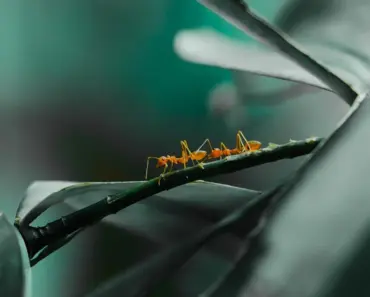
A single winged ant drifting across your kitchen floor in early spring might seem like a minor nuisance. You might even ignore it. That would be a mistake. Winged carpenter ants are reproductive adults, and spotting even one indoors often means a mature colony has already tunneled deep into the wooden frame of your home. They do not announce themselves with a crash or a visible collapse. They work in the dark, inside wall voids and floor joists, for months or even years before anyone notices. What looks like a lone lost insect is actually a signal — one that deserves your full attention.
Why Is It Important to Identify Winged Carpenter Ants Early?
When you see winged carpenter ants inside your house, the clock is already ticking. These are not random stragglers wandering in from the garden. They are reproductives — sexually mature males and future queens — that emerge from an established nest for a single purpose: to mate and start new colonies. If they succeed inside your walls, a single infestation can split into multiple satellite nests spread across different parts of the structure. Early identification allows quick treatment before a colony expands, preventing extensive structural damage and expensive repairs.
Tip 1: Catch the Swarmers Before They Establish a Colony
Male carpenter ants are about the same size as the familiar worker ants you might spot on sidewalks, and they appear only when conditions are right for the mating flight. That brief window — often on a warm, humid evening in late spring or early summer — is your best chance to confirm an infestation before it multiplies. The swarmers take to the air, mate, and then the fertilized queens shed their wings and search for a crevice to begin laying eggs. If you find discarded wings on windowsills or along baseboards, do not sweep them up and forget about them. Those translucent fragments are evidence that a queen has already landed somewhere nearby and is actively looking for a nesting site.
Here is where it gets interesting: a single queen can live for over a decade and produce thousands of workers in that time. What starts as one hidden gallery inside a damp bathroom wall can become a network of tunnels spanning multiple rooms. The moment you spot swarmers indoors, document where you saw them, collect a sample if you can, and start inspecting nearby wood for additional clues. The earlier you act, the fewer structural repairs you will face later.
How Can You Distinguish Winged Carpenter Ants From Termites?
Misidentification is a common and costly problem. A homeowner spots a dark winged insect near a window and immediately panics about termites, or worse, dismisses it as a harmless flying ant. The two pests demand entirely different treatment approaches, so knowing what you are looking at matters enormously. That said, a few physical markers make the distinction clear once you know what to check.
Tip 2: Examine the Wings, Antennae, and Body Shape
Winged carpenter ants have two sets of wings with the front set longer than the rear set. This uneven pairing is one of the fastest ways to rule out termites, whose four wings are all roughly the same length. Look at the wings under good light. Carpenter ant wings often carry a faint yellowish tint, whereas termite wings look milky white or translucent. Next, check the antennae. Carpenter ants have elbowed, bent antennae that angle sharply in the middle. Termite antennae are straight and bead-like, with no obvious bend. Finally, observe the body profile. Flying carpenter ants are larger than workers, are black and red, and have a rounded thorax — the middle segment behind the head appears smooth and curved. Termites, by contrast, have a long, straight body with no pinched waist and no distinct segmentation.
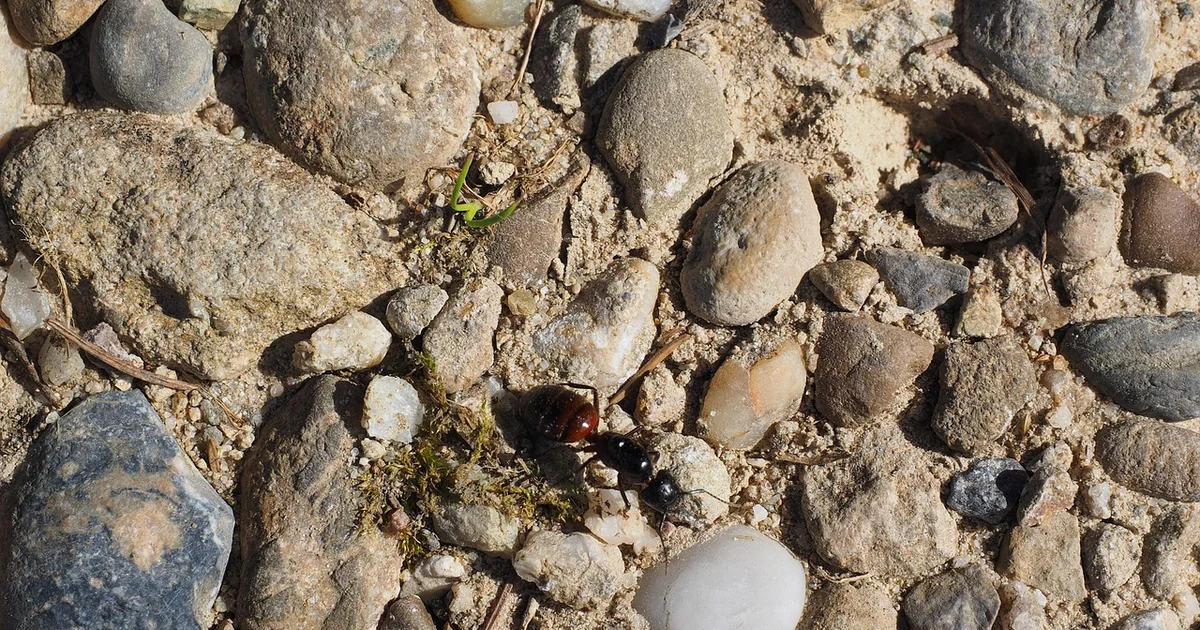
Worker ants are about 1/4- to 5/8-inch long and are the ones most often seen trailing across floors and countertops. Carpenter ant coloring varies but common colors are black, dark brown, reddish-orange, or yellow, depending on the species and region. If the insect on your windowsill has a clearly segmented body, an arched thorax, and wings of two different lengths, you are dealing with winged carpenter ants — not termites. This simple visual checklist can save you from wasting money on the wrong treatment.
Winged carpenter ants have bent antennae, uneven wing lengths (front longer than rear), and a rounded thorax, while termites have straight antennae, equal wing sizes, and a straight body. Memorize those three markers and you will never confuse the two again.
What Kind of Damage Do Carpenter Ants Cause?
Unlike termites that consume wood fiber for nutrition, carpenter ants do not eat wood. They chew it with their large mandibles to create galleries and connecting tunnels for nesting. The material they excavate gets kicked out of the nest as fine, sawdust-like debris called frass. Over time, this tunneling compromises the structural integrity of beams, joists, and studs. Carpenter ants can cause significant damage to wood-framed structures in the United States, and the cost of repair often runs into the thousands once the hidden hollowing is discovered.
Carpenter ants feed on proteins and sugars such as meats, sweets, and honeydew produced by aphids. That dietary preference explains why you might see workers in the kitchen more often than anywhere else — they are foraging for food to bring back to the colony. Meanwhile, the real destruction continues out of sight inside the walls.
Tip 3: Recognize the Hidden Destruction Inside Your Walls
Signs of infestation include crackling noises in walls, wood damage, sawdust piles, and discarded wings. The crackling sound — sometimes described as a faint rustling or clicking — is actually the noise of thousands of mandibles scraping against wood fibers. It is most noticeable at night when the house is quiet and the ants are most active. If you press your ear against a wall and hear something that sounds like crinkling cellophane, do not dismiss it as settling pipes. That is a living colony at work.
For instance, a homeowner in a humid climate might notice a small pile of what looks like coarse coffee grounds accumulating beneath a window frame. That is frass — the excavated wood shavings and insect debris that workers push out through tiny kick-out holes. Finding frass is a reliable indicator that a nest is active nearby. Also check for wood that sounds hollow when tapped. Solid lumber should produce a dull thud; wood riddled with galleries rings with a lighter, empty tone. Carpenter ants can inflict painful bites and spray formic acid into the wound when threatened, so avoid handling them with bare hands during your inspection.
They excavate extensive galleries and tunnels in wood, weakening structures, but do not eat the wood; they remove it to create nesting space. Understanding this distinction helps you appreciate why simply baiting with sweet traps will not stop the structural damage — you must address the nest itself.
You may also enjoy reading: 5 Secrets to Stake & Prune Zucchini Plants.
How Can You Eliminate a Carpenter Ant Infestation?
Controlling winged carpenter ants requires going straight to the source. Surface sprays and random pesticide applications might kill the occasional forager, but they rarely reach the queen hidden deep inside the nest. The most effective approach is to repair moisture problems, replace damaged wood, eliminate soil-to-structure contact, and use repellents like peppermint oil or call a pest control professional if needed. A methodical plan beats scattered efforts every time.
Tip 4: Repair Moisture Problems and Replace Damaged Wood
Carpenter ants prefer damp, decayed wood for their initial nesting sites. A leaking roof, a poorly vented bathroom, a cracked foundation, or clogged gutters all create the moist conditions that soften timber and make it easy for ants to excavate. Start your control efforts by fixing these moisture sources. Dry out the affected areas, improve ventilation in crawl spaces, and replace any wood that has become spongy or shows visible rot. Control methods include replacing damaged wood, eliminating contact with soil, and addressing humidity at its source. If wooden siding or porch posts touch the ground directly, install a barrier or trim them back so there is at least six inches of clearance between soil and timber.
As a result, the environment that attracted the ants in the first place becomes inhospitable. Without damp wood to expand into, the colony struggles to grow. This step alone often forces ants to relocate or makes the remaining nest far easier to treat.
Tip 5: Apply Natural Repellents and Know When to Call a Professional
For smaller, localized infestations, natural deterrents can be surprisingly effective. Peppermint oil disrupts the scent trails ants use to navigate and forage. Mix a few drops of pure peppermint essential oil with water in a spray bottle and apply it along baseboards, around entry points, and near any frass piles you have identified. Reapply every few days. Diatomaceous earth — a fine, food-grade powder — can also be puffed into wall voids and cracks, where it damages the exoskeletons of ants that walk through it. These methods are safe for homes with children and pets when used as directed.
On the other hand, if you have found multiple frass sites, hear crackling in more than one wall, or see swarmers appearing in different rooms, the infestation is almost certainly beyond DIY scope. A licensed pest control professional can locate the parent colony and any satellite nests, apply targeted treatments that reach the queen, and recommend long-term exclusion strategies. The cost of professional treatment pales in comparison to the structural repairs required if the colony is allowed to spread unchecked for another season.
Frequently Asked Questions
Can winged carpenter ants sting or bite people?
Carpenter ants do not have a stinger, so they cannot sting. However, they can and will bite if they feel threatened or if you accidentally press against one. Their mandibles are strong enough to break human skin, and they often spray formic acid into the bite wound, which causes a sharp burning sensation. The discomfort is temporary and rarely requires medical attention, but it is reason enough to wear gloves when inspecting infested wood.
How long does it take for a carpenter ant colony to cause serious structural damage?
Carpenter ants work slowly compared to termites, but they are persistent. A colony typically needs two to three years to grow large enough to produce winged reproductives, which is the stage at which most homeowners first notice a problem. By that point, the parent colony may have already hollowed out significant portions of a wall stud or floor joist. Satellite colonies can accelerate the rate of damage across multiple areas of the house simultaneously, which is why early detection matters so much.
Will store-bought ant sprays solve a winged carpenter ant problem?
Over-the-counter contact sprays will kill the individual ants you see, but they rarely eliminate the colony. The queen and most of the workers remain deep inside the nest, protected from surface treatments. Spraying swarmers on a windowsill might give temporary relief, but it does nothing to stop the thousands more still hidden in the walls. Effective control requires locating and treating the nest directly, fixing the moisture conditions that attracted the ants, and possibly enlisting professional help for large or long-established infestations.
The moment you see winged carpenter ants indoors, treat it as a deadline rather than a curiosity. Those delicate wings carry a heavy warning — one that rewards quick, informed action over wishful thinking. Whether you distinguish them from termites by their uneven wings and bent antennae, trace the frass back to a damp wall cavity, or decide the scale of the problem calls for a professional, every step you take before the colony splits into satellite nests spares your home from damage that compounds silently with each passing week.