7 Natural Snake Deterrents That Actually Help Keep Snakes Out of Your Yard
A snake in the garden can be startling, but it is usually searching for food, cover, water, warmth, or a safe travel route—not people. Many snakes also benefit gardens by eating rodents, slugs, insects, and other pests.
If you would prefer them to stay away from your home, skip unproven sprays and home remedies. The most reliable natural snake deterrents are habitat changes and properly installed physical barriers. These seven practical steps make your yard less useful to snakes without harming them.
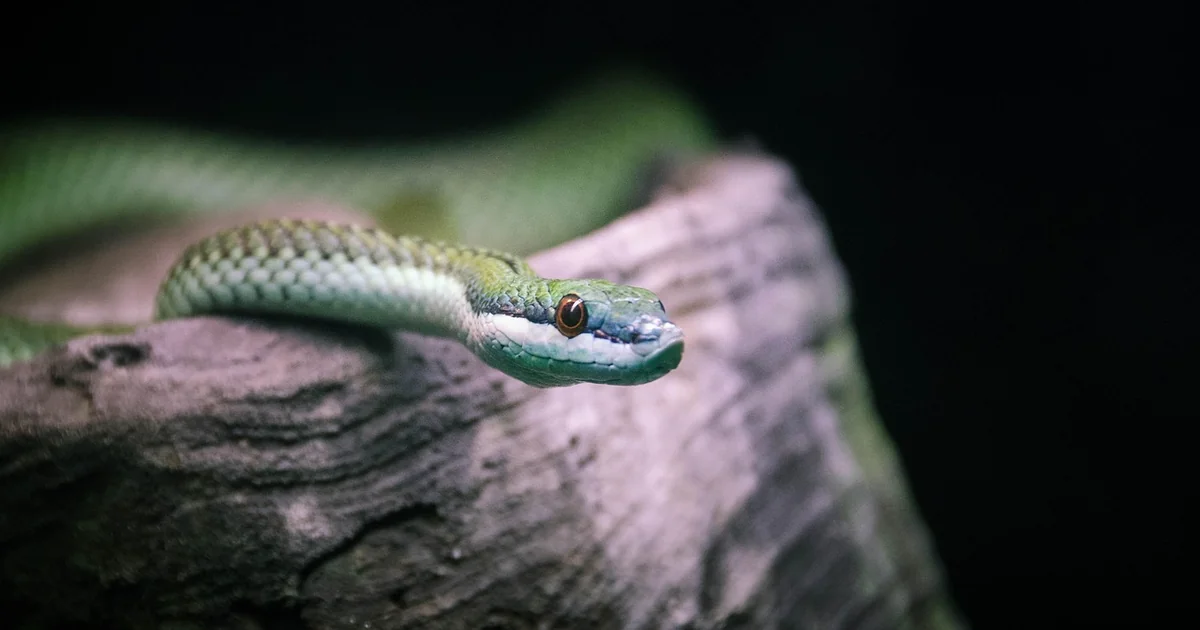
Why Are Snakes Attracted to Your Yard?
Snakes visit properties that provide one or more of their basic needs:
- Food: Mice, rats, frogs, lizards, insects, slugs, bird eggs, and other prey
- Shelter: Tall grass, dense groundcover, woodpiles, rock piles, debris, and gaps beneath structures
- Water: Ponds, leaking hoses, pet bowls, and damp areas where prey gathers
- Temperature control: Sunny rocks for warming and cool, shaded spaces for escaping heat
A single snake sighting does not necessarily mean the animal lives in your yard. It may simply be passing through. However, repeated sightings can indicate that the property offers dependable shelter or prey.
1. Keep Grass and Vegetation Under Control
Regular mowing is one of the simplest ways to discourage snakes. Shorter grass provides less concealment and makes the area feel more exposed. It also allows you to see where you are stepping when gardening.
Trim dense groundcover and remove weeds around foundations, sheds, fences, walkways, and play areas. Prune shrubs so you can see beneath them, but avoid stripping your entire landscape of useful wildlife habitat. Concentrate your efforts around the house and other frequently used spaces.
Keep branches and climbing plants from creating covered routes to roofs, windows, or outbuildings. Wear closed shoes and gloves when reaching into vegetation, especially in regions where venomous species occur.
2. Remove Hiding Places Near the House
Snakes favor quiet spaces where they can remain concealed. Clear away boards, roofing materials, unused pots, sheets of metal, dense leaf piles, rocks, and other clutter near buildings.
Amazon US Verified
Self-Watering Planters with Drainage Aerators
Elevated reservoir design that prevents soggy roots and ensures steady hydration.
Firewood should be stacked neatly on a raised rack rather than directly on the ground. Place it away from doors, foundations, children’s play areas, and pet enclosures. Avoid leaving loose tarps over wood because their folds create additional hiding spaces.
Compost piles can also attract rodents and insects. Use a well-managed bin with a secure lid, avoid adding meat or oily food, and clean up spilled material. According to Mississippi State University Extension, removing shelter and food resources is the most effective way to make the area around a home less attractive to snakes.
3. Reduce Rodents and Other Food Sources
A snake may remain near a property when prey is abundant. Instead of trying to repel the snake directly, address the conditions supporting mice, rats, and other small animals.
- Store birdseed, grass seed, and animal feed in sealed, rodent-resistant containers.
- Use a seed-catching tray under bird feeders and clean fallen seed regularly.
- Bring pet food indoors after feeding.
- Keep garbage and compost containers securely closed.
- Clean outdoor grills and eating areas promptly.
- Repair buildings or chicken coops that allow rodents to enter.
Bird feeders do not attract snakes by themselves, but spilled seed can feed rodents, which may then attract rodent-eating snakes. If the area beneath a feeder remains busy with mice despite regular cleaning, temporarily relocating or removing the feeder may help.
Avoid outdoor poison whenever possible. A poisoned rodent may harm owls, hawks, pets, and other predators that consume it. Traps should be positioned where children, pets, and wildlife cannot reach them.
4. Manage Water and Damp Areas
A small water feature will not automatically create a snake problem. However, persistent moisture can support frogs, insects, slugs, and rodents—all possible prey for different snake species.
Amazon US Verified
Digital 3-in-1 Soil Moisture & pH Meter
Accurate probe to test deep root zone moisture and prevent accidental overwatering.
Repair leaking faucets, irrigation lines, and hoses. Empty pet bowls when they are not needed, eliminate standing water in containers, and correct drainage problems near foundations. Keep vegetation around ponds and drainage channels maintained so you can see the edges clearly.
If your pond is an intentional wildlife feature, you do not have to remove it. Instead, create a clean, visible path between the pond and your house and avoid placing dense cover directly beside patios, doors, or children’s play zones.
5. Seal Openings Into Buildings
Habitat maintenance helps outdoors, but exclusion is the key to preventing snakes from entering a house, garage, shed, or crawl space. Inspect the building at ground level and seal accessible gaps around:
- Exterior doors and garage doors
- Utility pipes, cables, and vents
- Foundations and siding
- Crawl-space access points
- Steps, decks, and attached patios
- Shed walls and floors
Install tight-fitting door sweeps and repair damaged screens. Cover necessary vents with appropriately sized corrosion-resistant mesh without blocking required airflow or creating a fire hazard.
Do not seal an opening if you suspect an animal is trapped inside. A local wildlife professional can determine whether the space is occupied and recommend a legal, humane exclusion method.
6. Handle Ground Holes Carefully
Snakes can use burrows made by rodents or other animals, but they generally do not excavate complex burrows themselves. Repeatedly opened holes may signal an active rodent problem rather than a resident snake.
Do not put your hand into a hole or stand directly over it. Observe it from a safe distance and look for signs of activity. Local extension or wildlife services can help identify the likely occupant.
Once you have confirmed that a burrow is inactive—and that closing it is permitted where you live—you can fill and compact it. Address the underlying rodent attraction at the same time. Simply covering an active entrance with a rock can trap an animal inside or cause it to create another opening.
7. Install a Snake-Resistant Fence Where Needed
A physical barrier can protect a defined space such as a play area, patio, dog run, or small garden. It is usually impractical to fence an entire large property, and no fence works if gates or gaps are left open.
University of Florida wildlife guidance recommends a barrier approximately 2 to 3 feet high, made from solid sheeting or quarter-inch hardware cloth, with the bottom buried about 6 inches. The barrier should remain flush with the ground and free of openings.
For better results:
- Angle the top outward or include an outward-facing bend.
- Use tight-fitting gates with no gaps beneath them.
- Keep grass, vines, stacked objects, and branches away from both sides.
- Inspect regularly for erosion, loose mesh, and openings around posts.
- Confirm local rules before installing fencing along property boundaries.
Fencing reduces access rather than changing the wider habitat, so it works best alongside vegetation management and rodent control.
You may also enjoy reading: According to Expert: 7 Ways to Maximize Your Summer Harvest.
Do Snake-Repellent Plants Work?
Claims about marigolds, garlic, lemongrass, wormwood, and other “snake-repellent plants” are not supported by strong evidence. Plant fragrance alone does not reliably overcome a snake’s need for food, shelter, and suitable temperatures.
Plants can still influence snake activity indirectly. Dense groundcover may provide concealment, while a clear, well-maintained planting bed near the house offers fewer hiding places. Choose plants for your climate and landscape rather than relying on them as a protective barrier.
Which Snake Repellents Should You Avoid?
Do not scatter mothballs around the yard. Mothballs are pesticides intended for specific labeled uses in enclosed containers, not general wildlife control. Outdoor use can expose children, pets, and other animals to toxic chemicals without providing reliable snake protection.
Sulfur, essential oils, ultrasonic devices, predator urine, and many commercial snake sprays also lack dependable evidence of effectiveness. Utah State University Extension advises against snake repellents, sulfur, outdoor mothballs, and outdoor glue traps.
Avoid glue traps because they can catch birds, lizards, small mammals, and other non-target wildlife. Do not place ceramic eggs or golf balls in chicken coops as a way to kill egg-eating snakes. Improve the coop’s physical exclusion instead.
Should You Encourage Hawks and Owls?
Raptors sometimes eat snakes, but attracting predators is not a precise or dependable snake-control method. A perch does not guarantee that a hawk or owl will visit, remain on the property, or target snakes.
Native habitat and properly designed nest boxes may support local birds, but install them for conservation rather than as a promised deterrent. Poorly positioned tall poles can also create electrical, structural, and maintenance hazards. Habitat modification and exclusion remain more predictable choices.
What to Do When You See a Snake
Stop, remain calm, and back away slowly. Bring children and pets indoors, then allow the snake a clear escape route. Do not poke it, corner it, pick it up, or attempt to kill it. Snakes may become defensive when threatened, and handling creates an unnecessary risk of a bite.
If the snake is inside a building, appears venomous, or remains in a busy area, contact a qualified wildlife-control professional or local animal authority. Wildlife laws and approved relocation practices vary by location.
If identification is useful, take a photograph only from a safe distance. Do not move closer for a better picture, and never handle a dead snake because reflexive movement can still cause injury.
What to Do After a Snakebite
Treat every unidentified snakebite seriously. Move away from the snake and contact local emergency services or a poison center immediately. Do not drive yourself if you feel faint or unwell.
While waiting for professional help:
- Stay calm and limit movement.
- Remove rings, watches, and tight clothing before swelling develops.
- Keep the affected limb still.
- Cover the wound loosely with a clean, dry dressing if available.
- Note the time of the bite and changes in swelling.
Do not cut the wound, suck out venom, apply ice, use an electric shock, or place a tourniquet around the limb. Do not try to capture the snake. The CDC’s snakebite guidance recommends obtaining emergency medical attention as quickly as possible.
Frequently Asked Questions
Can natural snake deterrents work on a large property?
Yes, but it is usually more practical to create priority zones. Focus on foundations, entrances, patios, paths, play areas, pet enclosures, garages, and other frequently used spaces. Maintain clear sightlines and reduce clutter in those zones rather than trying to eliminate all wildlife habitat across the property.
Do ultrasonic pest repellers keep snakes away?
There is no reliable evidence that ultrasonic devices provide lasting snake control. Even if a device produces vibrations, it does not remove food, shelter, or access routes. Physical exclusion and habitat changes provide more dependable results.
Will vinegar, cinnamon oil, or peppermint oil repel snakes?
These home remedies have not been shown to create a reliable protective boundary. They can wash away, break down outdoors, damage plants, irritate pets, or create false confidence. Do not use essential oils directly on snakes or other wildlife.
Does one snake mean there is a nest nearby?
Not necessarily. The snake may be traveling, hunting, warming itself, or seeking temporary shelter. Repeated sightings in the same location deserve a closer inspection for prey, cover, building gaps, or other attractive conditions.
Is a completely snake-free yard possible?
No outdoor method can guarantee that a snake will never cross a property. The realistic goal is to reduce hiding places, prey, and access to high-use areas. A tidy landscape, secure food storage, sealed buildings, and a properly constructed barrier provide the strongest combination.
Natural snake deterrence is less about chasing wildlife away and more about changing what your property offers. Start near the house: mow and trim vegetation, remove clutter, control rodent food, repair water leaks, and seal building gaps. If encounters continue in a specific high-use area, add a well-maintained snake-resistant fence and seek local professional guidance.
As an Amazon Associate, azuloz.com earns from qualifying purchases.