5 Front Yard Eyesores That Quietly Hurt Your Home’s Curb Appeal
Your front yard can look untidy even when nothing is obviously wrong. A leaning mailbox, patchy grass, faded decorations, neglected plants, or a collection of unrelated pots may be enough to make the entrance feel unfinished. Designers Evgenia Ermolaeva and Tina Montemayor identify these details as some of the most noticeable front yard eyesores—and most are relatively simple to correct.
1. A Patchy, Weedy, or Overgrown Lawn
The lawn often occupies more visual space than any other part of a front yard. Bare patches, weeds, uneven growth, and untrimmed edges can therefore make the entire property appear neglected, even when the house itself is well maintained.
Before spreading seed or fertilizer, identify why the grass is struggling. Common causes include insufficient sunlight, compacted soil, poor drainage, drought, pet urine, heavy foot traffic, improper mowing, disease, and grass varieties that are not suited to the local climate.
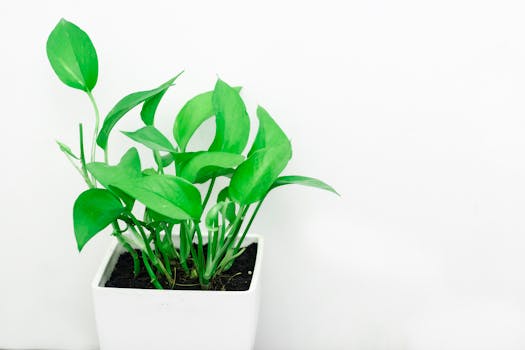
Amazon US Verified
Organic Perlite Horticultural Soil Conditioner
Lightweight volcanic mineral that improves root aeration and prevents compaction.
How to improve a tired-looking lawn
- Mow regularly without removing more than one-third of the grass blade at a time.
- Keep mower blades sharp so they cut cleanly instead of tearing the grass.
- Water according to the grass species, weather, soil, and local restrictions rather than following a rigid schedule.
- Redirect foot traffic or add stepping stones where repeated walking has compacted the ground.
- Rake out dead material and loosen the soil before repairing individual bare spots.
- Choose seed recommended for your climate and the amount of sunlight the area receives.
Timing matters when overseeding. For many cool-season lawns, late summer to early fall provides favorable soil temperatures and reduced competition from weeds. Warm-season grasses follow a different schedule and are generally established during active growth. Your local cooperative extension service can recommend the appropriate species and planting window.
Do not assume every brown patch needs more water. Overwatering, fungal disease, insects, shade, and compacted soil can produce similar symptoms. If the damage continues to spread, obtain a reliable diagnosis before applying pesticides or fungicides.
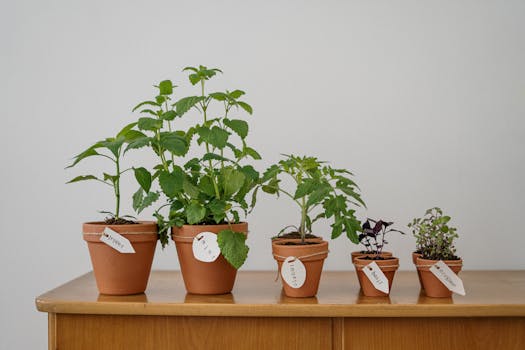
Amazon US Verified
Digital 3-in-1 Soil Moisture & pH Meter
Accurate probe to test deep root zone moisture and prevent accidental overwatering.
2. Faded Plastic Decorations
Plastic statues, edging, signs, and novelty ornaments may look cheerful when new, but prolonged exposure to sunlight and changing temperatures can leave some products faded, brittle, warped, or cracked. According to Ermolaeva’s design advice, worn plastic decor can weaken the appearance of an otherwise polished entrance.
The problem is not that every plastic item automatically looks unattractive. A restrained, weather-resistant piece can work perfectly well. The eyesore develops when decorations deteriorate, accumulate without a clear theme, or compete with the architecture and plants.
Choose fewer, more durable accents
Instead of filling the yard with many small ornaments, select one or two pieces that suit the style and scale of the house. Powder-coated metal, frost-resistant ceramic, stone, concrete, and exterior-grade wood can provide a more substantial appearance, although each material still requires appropriate maintenance.
Inspect outdoor decor at the beginning of each season. Clean away dirt and algae, tighten loose parts, repair minor damage, and remove anything that cannot be restored. If you paint a plastic item, use products specifically formulated for plastic and outdoor exposure, and follow the preparation instructions carefully. Even then, occasional refinishing may be necessary.
3. Dead Plants, Untrimmed Growth, and Scattered Debris
A few brown plants or piles of leaves can draw more attention than a bed full of healthy flowers. Montemayor recommends trimming dead growth and collecting scattered debris so the landscape looks deliberately maintained.
Cleanup should still respect the season and the needs of the garden. Some healthy perennials naturally die back in winter, while seed heads and hollow stems can provide food or shelter for wildlife. You do not have to strip every bed bare. The goal is to remove diseased material, fallen branches, broken pots, litter, and vegetation that has clearly failed while keeping intentional habitat features organized.
A practical cleanup routine
- Remove annuals that have finished and plants that are completely dead.
- Prune broken or diseased branches with clean tools.
- Cut back plants only when appropriate for the species and season.
- Pull visible weeds before they flower or set seed.
- Refresh displaced mulch, but keep it away from trunks, stems, and the house foundation.
- Edge beds and paths to create clear, deliberate boundaries.
- Compost healthy plant material and dispose of diseased debris according to local guidance.
Leaves do not always need to be discarded. Shredded leaves can enrich garden beds or be composted, and a light layer can benefit some planted areas. Problems arise when thick, wet piles cover turf, block drains, make paths slippery, or hide the shape of the landscape.
4. A Leaning, Rusty, or Outdated Mailbox
A curbside mailbox sits where visitors first encounter the property. Rust, peeling paint, faded numbers, an unstable post, or plants blocking access can make this small feature unusually conspicuous.
Begin by checking the post and mounting hardware. Tighten loose fasteners, straighten the box if possible, remove surface rust, and apply an exterior coating compatible with the mailbox material. Replace damaged address numbers with clear, weather-resistant characters that are easy to read from the street.
If replacement is necessary, choose a mailbox that relates to the home’s exterior finishes rather than treating it as an unrelated decoration. A simple black box may suit a modern entrance, while a restrained wood or metal post can complement a more traditional property.
Before moving, rebuilding, or replacing a curbside mailbox in the United States, review the USPS mailbox guidelines and consult the local Post Office when needed. Placement must allow safe, unobstructed delivery. Other countries and communities may have their own postal, visibility, or homeowners-association requirements.
5. Random, Mismatched Planters
Planters can frame a doorway and introduce seasonal color, but too many unrelated containers may make the entrance look cluttered. Different pots do not have to be identical; they simply need a visual connection.
Montemayor treats planters as part of the architecture and hardscape. A shared color, finish, material, or shape allows containers of different heights to work together while keeping attention on the plants.
How to create a cohesive planter arrangement
- Limit the display to one dominant material or two complementary finishes.
- Repeat at least one color found on the front door, trim, roof, or paving.
- Use a large anchor planter instead of several undersized containers.
- Group pots in odd numbers where space allows, varying their heights rather than scattering them evenly.
- Leave enough open space for comfortable movement and a clear view of the entrance.
- Choose plants with compatible light, water, and drainage requirements.
Terracotta pots in several sizes can create a relaxed Mediterranean look. Matte black containers offer cleaner lines, while glazed ceramic pots can introduce color when their palette remains controlled. Existing pots can sometimes be unified by cleaning them, relocating the least compatible pieces, or refinishing suitable containers with exterior-grade products.
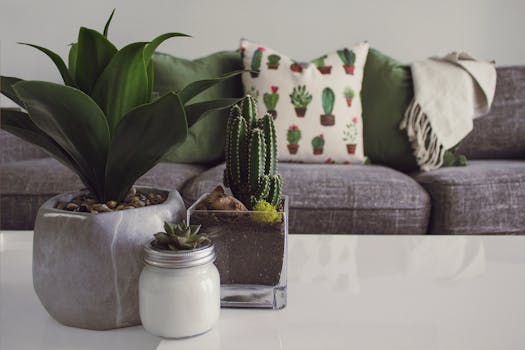
Amazon US Verified
Self-Watering Planters with Drainage Aerators
Elevated reservoir design that prevents soggy roots and ensures steady hydration.
You may also enjoy reading: DIY Raised Garden Bed Ideas for Small Backyards.
How to Spot Front Yard Eyesores You No Longer Notice
Familiarity makes small problems easy to overlook. Walk to the street and view the property as a visitor would, preferably from several angles. A photograph can make visual clutter, uneven spacing, and distracting colors easier to recognize.
Evaluate the yard in this order:
- Remove clutter: Put away hoses, empty pots, toys, tools, and broken decorations.
- Restore function: Repair unsafe steps, unstable posts, obstructed paths, and poor drainage.
- Clean and trim: Sweep hard surfaces, edge beds, weed visible areas, and prune appropriately.
- Repair focal points: Address the mailbox, front door, house numbers, lighting, and prominent planters.
- Add only what is missing: Introduce new plants or decor after the existing space looks orderly.
This sequence prevents unnecessary spending. Often, cleaning, removing, repositioning, and repairing create a greater improvement than buying additional decorations.
Frequently Asked Questions
What is the fastest way to improve a patchy lawn?
Correct the cause first. Repair irrigation problems, reduce traffic, loosen compacted soil, and use grass seed suited to the site. Seed must have good contact with the soil and remain appropriately moist during establishment. If shade is the underlying problem, a shade-tolerant ground cover or expanded planting bed may work better than repeatedly reseeding grass.
Can plastic planters be painted?
Yes, provided the container is still structurally sound. Clean it thoroughly, lightly prepare the surface as directed by the coating manufacturer, and use a primer and paint labeled for plastic and exterior use. Paint will not repair brittle, cracked, or badly warped plastic.
Do all front yard planters need to match?
No. Planters can vary in size and shape while sharing a consistent color, material, or finish. Repetition creates cohesion without making the arrangement look overly formal.
Should every fallen leaf be removed?
No. Leaves can be composted, shredded into turf when conditions permit, or used appropriately in garden beds. Remove thick mats from grass, paths, entrances, storm drains, and any area where wet leaves create a maintenance or safety problem.
Which front yard improvement should come first?
Start with maintenance: remove clutter, mow or edge the lawn, clear the walkway, prune damaged growth, and straighten the mailbox. These low-cost changes establish a clean foundation and reveal whether any new plants or decorative features are genuinely needed.
The most effective curb-appeal refresh is usually a series of small corrections rather than a complete landscape renovation. A tidy lawn, restrained decor, healthy planting beds, a well-maintained mailbox, and coordinated containers make the entrance feel cared for without requiring an extravagant budget.
As an Amazon Associate, azuloz.com earns from qualifying purchases.