For many home gardeners, the pruning season feels locked into early spring, before the growing frenzy begins. But June offers a second, equally important window. By early summer, a wide range of spring-blooming trees, shrubs, and perennials have wrapped up their flowering display. Their faded blooms, leggy branches, and overgrown shapes can become eyesores. More importantly, unkempt growth reduces airflow through the plant canopy, creating damp conditions where fungi thrive. Waiting too long to prune certain species risks cutting off the new flower buds already forming for next year’s show.
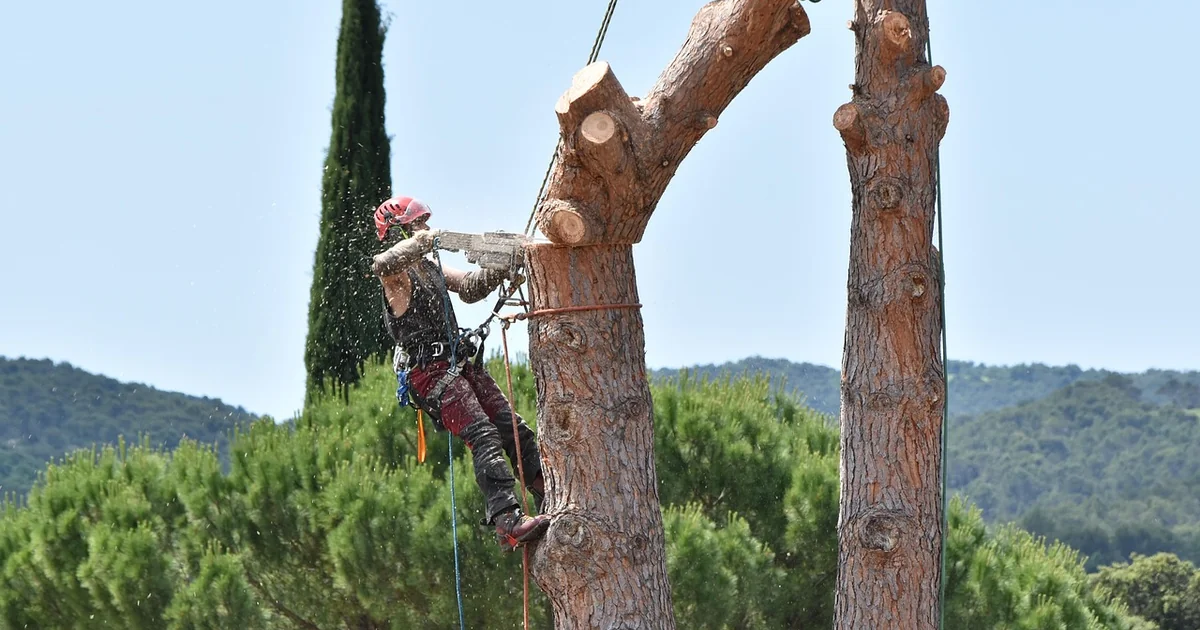
Different plants have different pruning tolerances. Some bloom on old wood, meaning the buds for next spring formed shortly after this season’s flowers faded. Others bloom on new wood and can handle a later trim. The seven plants covered here all benefit from a June haircut — but each requires a slightly different approach. With clean shears, a little planning, and the timing right, you can set these plants up for stronger growth, richer blooms, and fewer pest problems.
Bigleaf Hydrangeas
Why Should You Prune Bigleaf Hydrangeas in June?
Bigleaf hydrangeas (Hydrangea macrophylla) are among the most beloved flowering shrubs in American gardens. Their large, rounded flower heads shift from pink to blue depending on soil pH, adding drama to borders and foundation plantings. However, their pruning schedule trips up many gardeners. These hydrangeas form flower buds on growth from the previous season. If you cut them back in late summer or fall, you slice off next year’s blooms.
June offers the ideal pruning window. By June, the shrub has finished its spring bloom cycle. The faded flower heads are still visible, making it easy to identify which stems carried flowers. Using a clean pair of shears, remove the spent flower heads by cutting just above a healthy pair of leaves or a dormant bud. Then lightly cut back a few of the longer, older shoots to encourage branching. This selective trimming keeps the plant compact and stimulates fresh growth from the base. Because they bloom on old wood and pruning after flowering encourages branching and fuller growth, June is the safest and most effective time to shape your bigleaf hydrangeas.
Forsythia
When Is the Best Time to Prune Forsythia?
Forsythia is the herald of spring in many regions. Those arching branches covered in bright yellow bell-shaped flowers appear before the leaves, signaling that winter is finally over. But once the blooms fade and the shrub leafs out, forsythia can look messy and sprawling. Left unpruned, it becomes a tangled thicket with fewer flowers each passing year.
Because forsythia flower buds grow on old wood, pruning too late in the summer removes the buds already set for the following spring. The best time is immediately after flowering finishes, which in many regions falls in June. When pruning, remove a quarter to a third of the oldest branches. These are the thickest stems at the shrub’s base. Cutting them all the way to the ground opens up the center of the plant, improving airflow and allowing sunlight to reach the inner growth. This technique, called renewal pruning, keeps forsythia vigorous and productive. In June, right after flowering, trimming avoids cutting next year’s buds and keeps your shrub blooming abundantly for seasons to come.
Lilacs
How Does June Pruning Benefit Lilacs?
The heavy, sweet fragrance of lilacs (Syringa vulgaris) is one of spring’s greatest pleasures. But once the panicles of purple, white, or pink flowers fade, the shrub can quickly become an unruly tangle of leggy branches. Dense, crowded foliage restricts airflow, and damp conditions inside the canopy invite powdery mildew. This fungal disease covers leaves in a white, dusty coating, weakening the plant and reducing bloom quality in future years.
Pruning your lilacs immediately after flowering ends — again, June in most climates — addresses both issues. First, remove any dead, broken, or diseased branches, cutting them back to healthy wood. Then thin the remaining growth to keep at least 12 healthy, established canes. These should be strong, well-spaced stems that receive good light and air circulation. It’s also wise to remove suckers sprouting from the base, as they drain energy from the main plant without contributing flowers. This June routine prevents leggy growth, reduces powdery mildew risk, and encourages lush blooms next spring. Your lilac will look tidier through summer and return stronger the following year.
Weigelas
What’s the Key to Pruning Weigelas?
Weigelas (Weigela florida) are valued for their trumpet-shaped flowers, which appear in clusters along the stems in late spring. The blossoms attract hummingbirds and butterflies, making weigela a wildlife-friendly choice for mixed borders. After the bloom cycle winds down in early summer, the shrub’s growth can become lopsided or dense in patches, with some branches stretching far beyond the plant’s natural outline.
The key to pruning weigelas is light, selective shaping. Avoid heavy shearing that removes large amounts of foliage at once. Instead, focus on cutting excessively long, weak, or awkwardly crossing branches. These branches rub against one another, creating wounds where pests and diseases can enter. Snip them back to a healthy side shoot or to just above a leaf node. You can also remove a few of the oldest stems at ground level to encourage fresh growth from the base. Light pruning in June after flowering, focusing on long, weak, or crossing branches, preserves the shrub’s natural form and ensures a full, even bloom next season.
Camellias
When Should Camellias Be Pruned?
Camellias (Camellia japonica) are among the few shrubs that begin blooming in autumn, and depending on the variety, flowers can persist into late spring. Their glossy, evergreen leaves provide year-round structure, making them a staple in southern gardens and mild coastal climates. Because the blooming season is long and variable, the pruning window can be easy to miss.
Camellias should be pruned once the blooming season ends but before July. After the last flowers drop, grab your shears. Thin out the bush as needed, removing any damaged, diseased, or crossing branches that crowd the interior. Take care not to remove more than a third of the branches in a single year; camellias are slow growers, and heavy pruning can stress them. Focus on opening up the center of the plant to improve air circulation, which reduces the risk of leaf spot and petal blight. Pruning camellias in June, after their blooms have faded but before the heat of July arrives, keeps the shrub healthy, shapely, and ready for the next flowering season.
You may also enjoy reading: 7 Fling and Forget Flower Seeds to Scatter Now.
Joe Pye Weed
Why Cut Back Joe Pye Weed in June?
Joe Pye weed (Eutrochium purpureum) is a towering native perennial prized for its dome-shaped clusters of pink-purple flowers that attract monarch butterflies and other pollinators. In the wild, these plants can reach eight feet or more, but in a cultivated garden, that height often leads to flopping stems and a messy appearance. Many gardeners struggle with staking Joe Pye weed, only to find the stems still leaning after a heavy rain.
The solution is a simple June chop. Cut the stems back by half early in the month, when the plant is about two to three feet tall. This forces the plant to branch lower to the ground, creating a denser, more compact habit. The stems that do grow up from the lower branches are thicker and sturdier, less prone to flopping. While the overall flower heads may be slightly smaller than those on an unpruned plant, the plant produces sturdier stems and bushier growth, even though flowers are smaller initially. The trade-off is well worth it for a tidier, more self-supporting display that draws butterflies all summer.
Spirea
Why Trim Spirea in Early Summer?
Spirea is a diverse genus that includes both spring-blooming and summer-blooming species. The spring-blooming types, such as Spiraea prunifolia and Spiraea thunbergii, produce clusters of white flowers along arching stems in April and May. After the blossoms fade, the shrub can look thin and untidy, and without pruning, new growth concentrates at the branch tips, leaving the center bare and woody.
For these spirea varieties, pruning in June immediately after flowering is the right approach. Use shears to cut back the flowered stems to a healthy bud or side branch. Remove up to a third of the oldest, thickest stems at ground level to encourage fresh shoots from the base. This renewal-style pruning keeps the plant from becoming a leggy tangle and promotes dense, uniform foliage through summer. The following spring, the new wood will produce a profusion of flowers. For spring-blooming spirea, June trimming is a small investment that pays off with a fuller, more floriferous shrub next year.
Frequently Asked Questions
What tools should I use for pruning these plants in June?
For most of the plants on this list, a sharp pair of bypass pruners is all you need. Smoother cuts heal faster than ragged ones, so keep your blades clean and well-honed. For thicker branches on forsythia or old lilac canes, loppers or a small pruning saw provide the leverage needed to make a clean cut. Always disinfect your tools between plants, especially if you are cutting out diseased wood, to prevent spreading pathogens.
Can I prune these plants later in summer if I miss the June window?
Timing matters because many of these plants form next year’s flower buds shortly after the current blooms fade. Pruning too late — after July for camellias, or after midsummer for bigleaf hydrangeas and forsythia — removes those developing buds and drastically reduces next spring’s flowers. If you miss June, it is better to skip pruning for the year than to risk cutting off future blooms. Prioritize removing only dead or diseased wood at that point, and schedule your full pruning for the following June.
Is there a risk of over-pruning any of these plants?
Yes, and the risk varies by species. Camellias are the most sensitive: never remove more than a third of their branches in a single year. Joe Pye weed tolerates the half-height cut well, but cutting it lower than that can weaken the plant. For lilacs, leaving at least 12 healthy canes ensures enough leaf area to support root development and next year’s buds. A good rule of thumb is to take less than you think you need. You can always prune more next year, but you cannot regrow a branch you cut off.
Pruning in June is not about stripping plants down to bare bones. It is about thoughtful removal of specific growth — spent flowers, old wood, crossing branches, weak stems — that frees the plant to direct its energy into the parts that matter most. Each of these seven species responds well to an early-summer trim, and each rewards you with healthier foliage, a tidier shape, and more abundant flowers next season. The timing is precise but simple. As the spring blooms fade, grab your shears, step into the garden, and give these plants the haircut they need to thrive through summer and beyond.