Fall 2026 runway collections feature bold reds and pinks, dramatic trains, botanical details, and cascading ruffles, embracing maximalism in a way that feels both fresh and nostalgic. As James DeMolet notes, fashion feels theatrical again, with bold color combinations dominating the scene. For your ecommerce brand, this means practical strategies to adopt these trends without overcommitting inventory, drawing inspiration from the growth in resale and vintage shopping that influences designers to create pieces that feel lived-in and storied.
The Return of Maximalism: Bold Colors and Dramatic Silhouettes
The 2026 runway is a spectacle of excess – think vivid reds, voluminous skirts, and theatrical ruffles that demand attention. This maximalist shift invites you to move away from quiet minimalism and embrace a more expressive wardrobe. When examining 2026 fashion trends, the dominant mood is bold, playful, and unapologetically dramatic.

Color Forecast: Reds, Pinks, and Contrasting Hues
Fall 2026 runway collections feature bold reds and pinks, complemented by dramatic trains, botanical details, and cascading ruffles. This maximalist fashion direction relies on a vibrant, bold color palette that commands presence. As stylist James DeMolet notes, fashion feels theatrical again, and this is evident in the way bright purples, blues, and reds are paired with neutral tones and shiny gold, as seen in collections like Versace‘s spring/summer 2026. You can adopt this look by starting with one statement piece in a vivid hue and balancing it with grounded neutrals, making the trend wearable for daily life without overwhelming your style.
Silhouette Shift: Volume and Structure
Larger silhouettes are a cornerstone of the runway trends 2026. Think voluminous skirts, structured jackets with pronounced shoulders, cropped blazers, and reinterpreted cargo shorts. These oversized silhouettes add drama and movement, encouraging you to experiment with proportion. For a practical entry point, try a cropped blazer over a simple top and trousers, or swap your standard skirt for a fuller version. This theatrical style doesn’t have to feel impractical—it can be a fun way to refresh your wardrobe with a sense of adventure and personal expression.
Vintage Aesthetics and the Resale Influence
The rise of resale and vintage shopping is reshaping how designers create – and how ecommerce brands can replicate a storied look without sourcing pre-owned goods. As the resale market continues to grow, it pushes designers to incorporate lived-in elements into their collections. This shift is a key part of the 2026 fashion trends landscape, where authenticity and a sense of history matter more than ever.
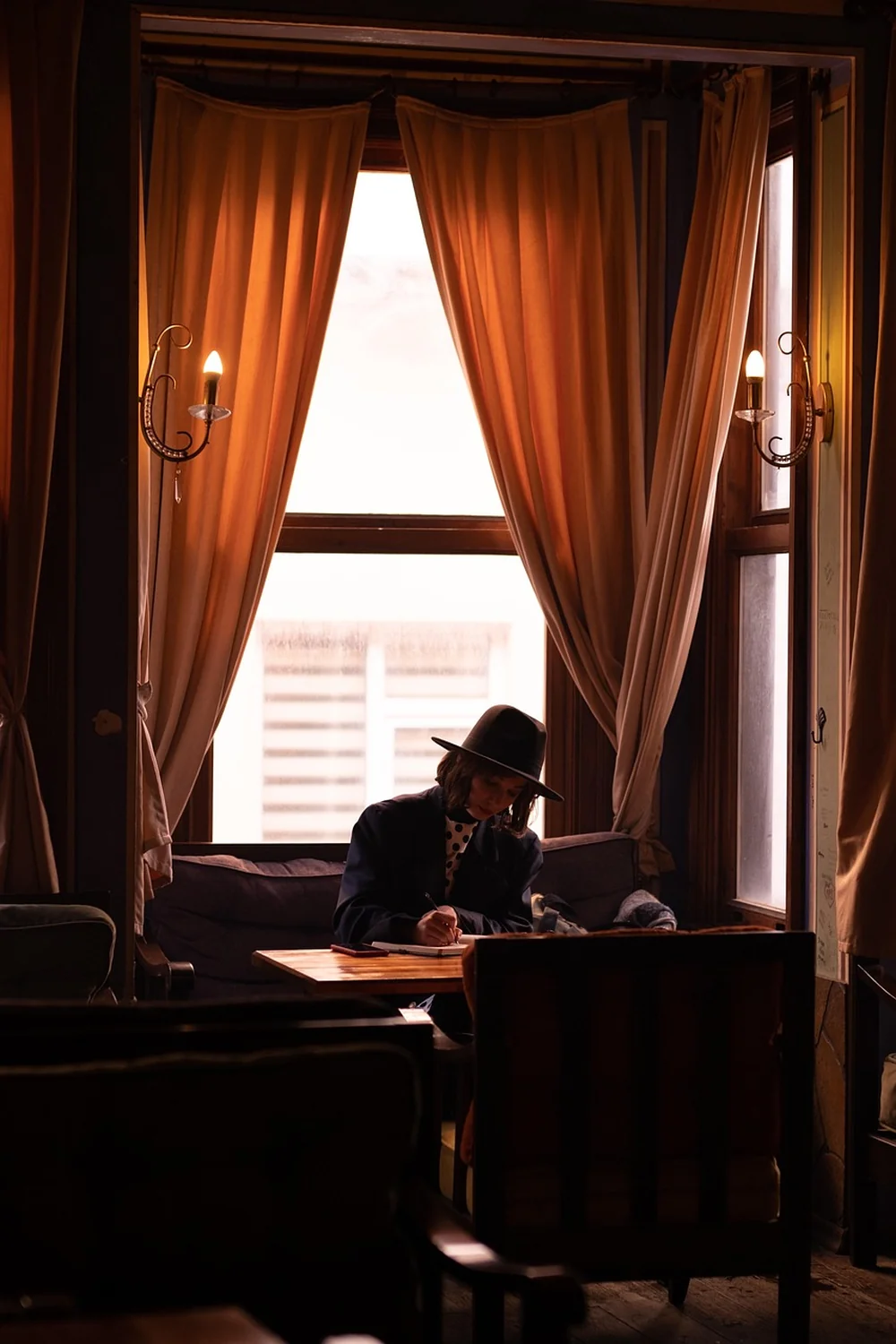
Prada‘s fall/winter 2026 menswear collection exemplifies this approach. The pieces felt unquestionably vintage without being actual pre-worn items. Designers achieve this effect by focusing on texture, finishes, and subtle imperfections that suggest a past life. For ecommerce brands, this means you can offer similar aesthetics by distressing fabrics or using retro prints that evoke nostalgia.
How to Replicate Vintage Styles Without Resale
You don’t need to source secondhand inventory to deliver a vintage-inspired fashion look. Consider these practical methods:
- Distressing techniques: Light sanding, gentle washing, or irregular fading can give new garments a soft, worn feel.
- Retro prints: Use patterns that hark back to earlier decades, such as bold polka dots, animal prints, or washed-out florals.
- Vintage-style hardware: Buttons, zippers, and tags with an antique finish add to the lived-in aesthetic.
Prints and Patterns with a Nostalgic Feel
Current trends include bold patterns like polka dots and animal prints, as well as intimate prints like washed-out florals that have a vintage wallpaper feel. These designs create a welcoming, comfortable vibe that appeals to shoppers looking for something unique. By mixing these motifs with modern silhouettes, ecommerce brands can offer the best of both worlds – a fresh look with a nostalgic heart. This approach helps you tap into the growing demand for retro prints and distressed clothing without the complexity of managing a resale inventory.
Accessories as Statement Pieces: From Oven Bags to Feathered Shoes
Maximalism extends beyond clothing – novelty accessories and dramatic footwear become conversation starters that can elevate any outfit. As 2026 fashion trends continue to embrace bold self-expression, your ecommerce brand can capitalize on the growing appetite for pieces that spark joy and curiosity. These whimsical items are not just embellishments; they are the focal point of a look.
Consider the novelty bag trend, where designers like Betsey Johnson have introduced an oven-shaped bag that turns a practical accessory into a playful conversation piece. These statement accessories are perfect for social media sharing, as customers love showcasing unique finds. However, you must weigh their potential as a fad against a smart investment. A limited run of whimsical fashion items can generate buzz, but overstocking may lead to markdowns if the trend fades quickly. A balanced approach is to offer a small collection of these novelty bags to test the market while keeping your core inventory steady.
Maximalist footwear is another key area. Shoes adorned with feathers, pearls, and florals keep the maximalist spirit alive while remaining practical. Unlike chunky platform styles that can ruin the leg silhouette, these embellished shoes add drama without sacrificing a flattering line. They work well for special occasions or as everyday showstoppers, making them versatile conversation pieces that customers will reach for again and again. When featuring these items, highlight their visual details in product photography and describe how they can transition from day to night with ease.
To minimize risk, treat these dramatic accessories as limited-edition investments. Launch small batches to gauge consumer appetite, and use customer feedback to decide whether to reorder. This way, you can ride the wave of 2026 fashion trends without overcommitting to a single style. Remember, the goal is to offer your customers a dash of surprise and delight while maintaining a practical, profitable product line.
Color Coordination for Ecommerce Merchandising and Photography
Once your product line reflects the bold spirit of 2026 fashion trends, the next step is to present those colors in a way that feels intentional and effortless. The good news: the shift to bold colors actually reduces clashing risks, making it easier for ecommerce brands to merchandise colorful products together without clashing. You can group vivid hues on category pages or in bundles and still get a cohesive look. That is a big time saver for merchandising teams and small store owners alike.
Merchandising Strategies for Maximalist Palettes
One ready-made formula comes from the runways. For example, bold color combinations are dominant, with Versace’s spring/summer 2026 collection mixing bright purples, blues, reds with neutral tones and shiny gold. You can mimic this by pairing your most striking pieces with neutral basics and metallic accessories. This approach works for apparel, accessories, and even home goods embracing maximalist hues. When arranging a collection page, group by color family or create “looks” that alternate a bright hero item with a calm neutral and a small gold or silver accent.
Photography Tips for Bold Color Combinations
Product photography styling requires a bit of finesse to avoid visual clash. Follow these simple tips:
- Use neutral backgrounds. White, cream, light gray, or soft tan let bold colors take center stage without competing.
- Balance dominant colors with smaller accents. If a bag is bright red, style it with a muted scarf or a gold buckle rather than another saturated hue.
- Test combinations in your lighting. Studio lights can shift a color’s appearance. Snap a few test shots to see if a purple top and blue jeans read well together or start to blend.
These photography techniques support your overall ecommerce visual strategy by making bold color coordination look polished and professional. With a little planning, you can turn the maximalist palette into a clear advantage for your brand.
Practical Strategies for Ecommerce Brands: Inventory, Pricing, and Trend Adaptation
Small and large brands alike need actionable steps to embrace 2026 fashion trends without overstocking or losing brand identity. Start with inventory planning that keeps you agile. For small ecommerce brands, pre-orders, capsule collections, and limited drops let you test demand for new styles without tying up capital in unsold stock. This low-risk approach is perfect for gauging which elements of 2026 fashion trends resonate with your audience before you commit to larger orders.
You can also reinvent what you already sell rather than starting from scratch. Add maximalist details such as ruffles, bold colors, or vintage prints to existing pieces. This product reinvention strategy keeps your core offerings fresh while aligning with the season’s theatrical mood. Remember: ecommerce brands should search for inspiration outside of their algorithm, highlight what makes them unique, and reinvent what they already sell. Look at art, architecture, or non-fashion industries to discover new silhouettes or color combinations that set your brand apart.
Maximalism doesn’t stop with clothing. Expand into jewelry with oversized motifs, hair accessories featuring pearls or feathers, and home goods with bold patterns. This cross-category maximalism creates a cohesive brand story and gives customers more ways to engage with the trend. The color shift in the palette this season makes it easier for ecommerce brands to merchandise colorful products together without clashing, so take advantage of that by grouping complementary items in your photography and displays.
Keep an eye on the timeline: peak demand for these 2026 fashion trends hits fall and winter 2026, but some elements like bold colors and vintage prints carry into spring and summer 2027 when rendered in lighter fabrics. When marketing, highlight the story behind each trend—whether its theatrical origins, vintage inspiration, or novelty appeal—to connect with consumer emotions and build loyalty.
Frequently Asked Questions
How can a small ecommerce brand stock trendy items without risking overstock?
Focus on pre-orders or limited drops to gauge demand before committing to large quantities. Partner with suppliers offering smaller minimum order quantities, and use data from your past sales to identify which trend pieces align with your core styles. This keeps your inventory flexible and budget-friendly.
Are 2026 fashion trends more suited to fall and winter, or can they work year-round?
Many 2026 fashion trends are designed to be seasonless, thanks to a focus on layering and versatile textures. For example, a lived-in denim jacket or a soft oversized cardigan can transition from spring to winter by simply swapping base layers. This makes the trends practical for any climate.
If I don’t sell vintage items, can I still create an authentic worn-in aesthetic?
Yes, you can intentionally distress new fabrics through simple techniques like sanding seams or washing them multiple times before styling. Choose natural materials like cotton or linen, which soften and develop character with use, giving your products a welcoming, lived-in feel without needing to source secondhand goods.