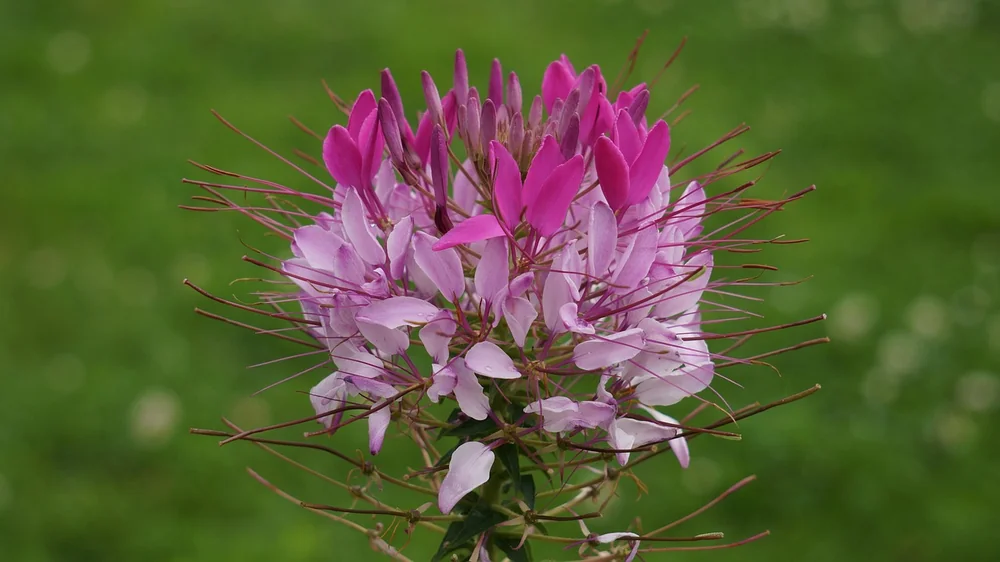
If you are looking for annual flowers that bring height, color, and life to your garden with very little effort, cleome might be exactly what you need. Commonly called spider flowers for their unique, airy blooms, these easy care plants produce clusters of pink, white, or purple blossoms from early summer all the way until frost. As part of any practical Cleome care guide, the most important thing to know is that this plant thrives on simplicity. Give it full sun, and it will reward you with sturdy stems and abundant flowers. Plant it in shade, and you will get leggy growth that flops over and produces far fewer blooms. Once established, cleome is genuinely drought-tolerant and requires minimal attention, making it a wonderful candidate for busy gardeners or anyone new to growing from seed. It grows quickly, self-sows readily, and attracts hummingbirds, butterflies, and hummingbird moths, turning your garden into a welcoming pollinator haven all season long.
Planting Cleome: Sun, Soil, and Sowing
Getting the planting conditions right ensures strong stems and abundant blooms from your cleome. Start by choosing a location that receives full sun. Cleome grows best in full sun; in shade it grows too tall, topples, and blooms less. A sunny spot also helps your plants stay compact and sturdy, making them low-maintenance additions to any garden bed.
Choosing the Right Location
Cleome prefers well-drained soil with acidic to neutral pH. Before planting, test your soil or simply choose a spot where water doesn’t pool after rain. If your soil is heavy clay, mix in some compost or sand to improve drainage. This simple step prevents root rot and keeps your plants healthy through the growing season. For a welcoming pollinator garden, pair cleome with other full sun flowers like zinnias or cosmos.
Direct Sowing vs. Starting Indoors
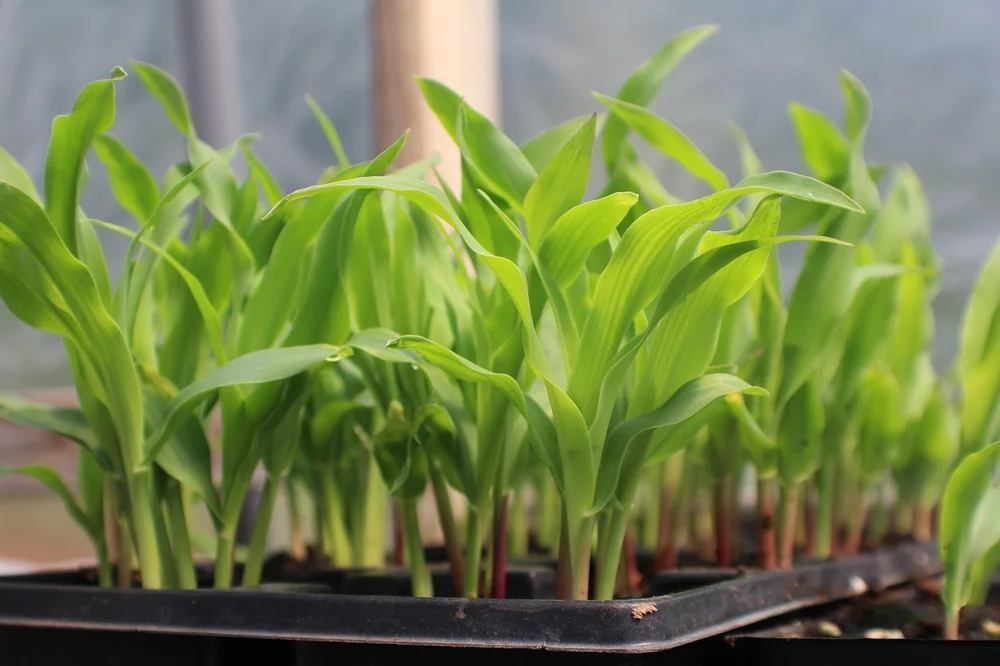
Because cleome does not tolerate frost, wait to sow seeds until after the last frost when soil is 70–75°F. Seeds need light to germinate, so press them gently onto the soil surface without covering them. You have two practical methods: direct sowing cleome seeds into the garden or starting cleome indoors 4–6 weeks earlier. For direct sowing, scatter seeds in prepared soil and water gently. For starting indoors, use seed-starting mix in small pots, place them under grow lights or in a bright window, and keep the soil moist but not soggy.
Water newly planted seeds gently until they sprout, then reduce frequency as plants establish. Once seedlings have two sets of true leaves, thin them to about 12–18 inches apart. Following this cleome care guide ensures strong stems and abundant blooms throughout summer. With the right sun, soil, and sowing method, you’ll have a self-sowing, low-maintenance flower that keeps your garden colorful year after year.
Watering, Feeding, and Maintenance
Once your cleome is growing, minimal care keeps them healthy and blooming profusely. This is where your Cleome care guide gets simple: these plants thrive on neglect once they settle in.
Watering Schedule
Water young plants regularly until they are established. After the first few weeks, reduce watering significantly. Cleome is a drought tolerant annual, so once mature, you only need to water during long dry spells. Overwatering can lead to weak growth and fewer flowers. A good cleome watering schedule is deep watering once a week if rain is scarce, and skipping it entirely if you’ve had rainfall.
Pruning and Deadheading
Deadheading cleome is the main task to keep blooms coming. Snip off spent flower clusters just above a leaf node. This encourages the plant to produce more flowers instead of putting energy into seed production. It also helps prevent excessive self-seeding, which can make cleome spread more than you want. Pruning is light: remove damaged leaves or shape the plant as needed. No heavy pruning is required for this low-maintenance annual.
Supporting Tall Stems
Cleome grows best in full sun. In shade, it grows too tall, topples over, and blooms less. If you notice stems falling over, it may be due to shade or too much nitrogen in the soil. Staking tall flowers can help. Use bamboo stakes or a simple ring support to keep stems upright. With proper placement in full sun, you can avoid this issue entirely. Cleome reaches a mature size of 1.5 to 5 feet tall and 1 to 2 feet wide, so give it room to stand tall without crowding.
Preventing leggy growth is easy with full sun and minimal fertilizer. Stick to this simple routine, and your cleome will reward you with continuous, low-maintenance color all season long.
Overwintering and Self-Seeding
Although cleome is an annual plant, you can enjoy it year after year through self-seeding or seed saving. This low-maintenance approach lets your garden feel established without extra work. Understanding the annual plant lifecycle helps you plan ahead and keep your flower patch full each season.
Letting Cleome Self-Seed
Cleome does not tolerate frost, so plants die after the first hard freeze. However, if you allow some flowers to go to seed, cleome often self-seeds reliably in the same spot. Simply leave a few spent flower heads on the stem as summer ends. The seeds drop naturally, and new seedlings will appear the following spring after the soil warms. This is a simple, hands-off way to maintain your display. If you prefer a tidier garden, you can still allow one corner of the bed to seed freely while deadheading the rest.
Collecting and Storing Seeds
For more control, save seeds yourself. To save seeds, collect dried seed pods in autumn and store in a cool, dry place. Wait until the pods turn brown and crack easily when touched. Snap them off carefully and let them dry indoors for a few days. Remove the tiny black seeds and place them in a paper envelope or a glass jar. Label the container with the variety and year so you remember what you have. In cold climates, you cannot overwinter the plant, but saved seeds can be started indoors the next spring. This practice fits perfectly into cold climate gardening, giving you a head start when planting season returns. For a practical cleome care guide, remember that self-seeding annuals like this one reward you with free plants and minimal fuss.
Container Growing and Companion Plants
As you continue with your cleome care guide, you’ll find that growing these tall beauties in containers opens up new possibilities for even small patios or balconies. Cleome’s airy flower clusters and slender stems create a striking vertical accent when potted, and the practice is quite simple when you follow a few practical steps.
Growing Cleome in Pots
Choose a container that is at least 12 inches deep to give the root system enough room—cleome’s mature size can reach 1.5 to 5 feet tall with a spread of 1 to 2 feet, so depth matters. Make sure the pot has drainage holes to prevent waterlogged soil. Fill it with a well-drained potting mix; a slightly acidic to neutral pH suits cleome best. Place the container in a spot that receives full sun all day. Because pots dry out faster than garden beds, you will need to water more frequently. However, it is important to let the soil dry out slightly between waterings—stick your finger an inch or two into the mix; if it feels dry, it is time to water. This routine keeps roots healthy and avoids rot.
Best Companion Plants
Cleome’s tall, open habit makes it a wonderful companion for other sun‑loving, pollinator-friendly flowers. Pair it with zinnias, cosmos, salvia, and verbena—all of which thrive in the same full‑sun, well‑drained conditions. Together, they create a welcoming spot for hummingbirds, butterflies, and hummingbird moths, turning your container display into a lively butterfly garden. For the best effect, plant cleome toward the back or center of a large pot, with shorter companions around the edges. Avoid placing it near very short or shade‑loving plants; those may be overwhelmed by cleome’s height and dense upper growth. With these simple companion planting ideas, your container garden will stay colorful and buzzing with activity all season long.
Popular Cleome Varieties and Cultivars
With hundreds of species and cultivars, you can find cleome in a range of sizes and colors to suit your garden. There are over 100 different cleome species, and plant breeders have developed many garden cultivars to choose from. This variety means you can easily select a spider flower that fits your space and color preferences.
When selecting cleome varieties, consider the mature size, which typically ranges from 1.5 to 5 feet tall and 1 to 2 feet wide. Cultivars vary in height from compact types that stay around 1.5 feet to tall, dramatic varieties reaching 5 feet. This range makes it simple to find the right fit for borders, containers, or as a stunning backdrop in your flower beds.
Spider flower colors include pink, purple, white, and rose, with some cultivars offering fragrant blooms that attract pollinators. Two popular series stand out for their unique traits. The Senorita cleome series features sterile, non-seeding plants, meaning they won’t self-sow and take over your garden. This is a great low-maintenance choice for tidy beds. The Sparkler cleome series offers compact growth, ideal for smaller gardens or container growing. Both series are widely available and easy to work into your garden plans.
If you prefer traditional blooms, seek out heirloom cleome varieties that have been grown for generations. These often have the classic tall stature and strong fragrance that gardeners love. With so many choices, taking the time to explore different cleome species and cultivars ensures you find colors and heights that create a welcoming, vibrant display in your yard. Use this cleome care guide to match the right variety to your garden’s conditions for the best results.
Frequently Asked Questions
How often should I water cleome after planting?
After planting, water your cleome deeply once a week for the first month to help roots establish. As part of your Cleome care guide, once plants are settled, reduce watering to every 10 to 14 days—they thrive in drier conditions. Always check the soil first; if the top inch feels dry, it is time to water.
Will cleome self-seed in my garden?
Yes, cleome readily self-seeds if you leave the spent flower heads on the plant. This makes them a low-maintenance choice for a welcoming cottage garden look, but be aware that seedlings can pop up in unexpected spots. To control spread, simply snip off seed pods before they open or thin out volunteers in spring.
Why are my cleome stems falling over, and how can I prevent it?
Stems often fall over when plants are top-heavy from too much rich soil or shade. Give cleome full sun and avoid over-fertilizing—they prefer lean, well-draining ground. For taller varieties, use a simple stake or grow them in a sheltered spot to keep stems upright and sturdy.