Neutral bedrooms are out—colorful, layered spaces are in, say top designers. If you have been following interior trends, you might have noticed that the era of all-beige, all-gray, and monochromatic sleep sanctuaries is fading. Designers are increasingly steering clients toward rooms that feel personal, vibrant, and collected over time. This shift means several once-popular bedroom styles are now considered outdated. Understanding which looks are falling out of favor can help you refresh your space without chasing every trend. Here are five bedroom styles designers say are losing their appeal—and what to do instead.
Why Are Neutral Bedrooms Falling Out of Favor?
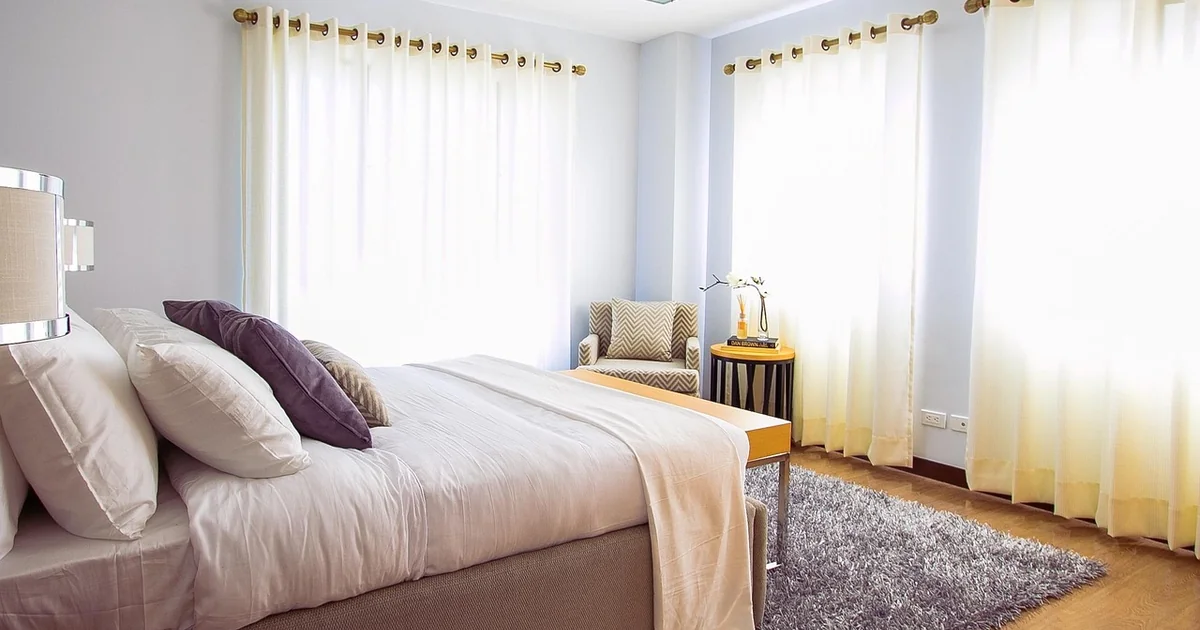
For years, the all-neutral bedroom was the safe choice. White walls, beige linens, and gray furniture promised calm and simplicity. But that approach is now being reconsidered. Designers are moving away from neutral tones and toward colorful, layered bedrooms that feel alive and personal. A room full of beige can feel flat, like a blank canvas that never got painted.
Fiona Leonard, an interior designer, notes that layered bedrooms rich in color are now in vogue. She recommends mixing multiple patterns as well as new and vintage furniture and accessories. This creates what she calls a “rich landscape to rest your eyes.” Instead of a quiet, restrained modern bedroom, the goal is a space that engages you without overwhelming you.
How to Transition Without a Full Renovation
If your bedroom is mostly neutral and you want to add color without repainting every wall, start small. Swap out your bedding for something with a floral print or a vintage quilt. Add a colorful rug under the bed. Introduce a single piece of antique furniture, like a veined marble-topped commode used as a bedside table. These small changes bring warmth and personality without requiring a major overhaul.
You can also layer in colorful throw pillows (but not too many—more on that next) and artwork that speaks to your taste. The key is to move away from the idea that the bedroom must be a colorless retreat. It can still be restful while being visually interesting.
How Many Pillows Is Too Many?
Beds piled high with decorative pillows have been a staple of hotel-inspired bedrooms for decades. But designers say it is time to stop. The trend of covering a bed in pillows is falling out of favor. Not only does it create a cluttered look, but it also makes the bed less functional—you have to remove a dozen pillows every night before you can sleep.
Experts say less is more when it comes to decorative pillows. Instead of relying on pillows to add character, use other elements like wallpaper, rugs, or millwork. These features provide texture and dimension without the daily hassle. A well-chosen headboard or a statement light fixture can do more for the room than a mountain of shams.
Amazon US Verified
Peel and Stick Textured Linen Wallpaper
Removable neutral wall covering providing architectural warmth and tactile depth.
What to Do With the Pillows You Already Own
If you have a collection of decorative pillows, you do not have to throw them all away. Keep one or two that you truly love and rotate them seasonally. Store the rest in a closet or use them in a guest room. The goal is to simplify your bed so it looks inviting, not like a pillow fort. Your bed should be a place you want to climb into, not a display case.
Is Boho Style Still Trendy?
The boho bedroom, with its macrame wall hangings, gallery walls, and eclectic mix of textures, has been popular for several years. But interior designer Taylor Fusco says that look is not having a moment right now. Gone are the busy wall hangings and crowded gallery walls in the bedroom. The boho aesthetic can feel cluttered and chaotic, which works against the restful purpose of a bedroom.
Fusco suggests taking a more minimalistic route to create a zen space. She brings this look to life with Roman clay paint, wooden beams, and bare walls. The result is a calm, grounded environment that still feels warm and personal. This shift away from boho does not mean you have to eliminate all texture or personality—just that you should edit carefully.
What If You Love Boho Style?
If boho style resonates with you, you do not have to abandon it completely. Instead, focus on a few key pieces rather than filling every surface. Choose one statement wall hanging and let it stand alone. Use natural materials like rattan or jute in moderation. The updated version of boho is more curated and less cluttered—think minimalist with a hint of wanderlust, not a full flea market.

Amazon US Verified
Hang-O-Matic All-in-One Picture Hanging Tool
Tape measure, sliding level, and markers in one tool for flawless gallery walls.
What’s Wrong With Coastal Decor?
Coastal decor, with its seashells, driftwood, and blue-and-white color palette, has long been a favorite for creating a beachy retreat. But designer Taylor Bowling says the coastal look is overdone, predictable, and too matchy. It just does not feel original anymore. When every element screams “beach house,” the room can feel like a theme park rather than a personal space.
You may also enjoy reading: Prince Harry Meghan Markle Fans Defend $29m Home Interiors.

Amazon US Verified
Ceramic Fluted Decorative Vase Set
Modern minimalist ceramic vases perfect for shelves, consoles, and dried florals.
Bowling explains that she likes hints and touches of it, but the overly coastal look is too much. She recommends using only one or two subtle coastal design aspects. For example, choose a calm colorway inspired by the ocean but skip the starfish decor. Or bring in a minimal accent like a woven seagrass rug instead of covering every surface with nautical motifs.
How to Keep the Coastal Vibe Without Going Overboard
If you love the serenity of coastal decor, you can still capture that feeling. Focus on texture and color rather than literal symbols of the sea. Use linen curtains, a light blue throw, and natural wood furniture. Avoid shell collections, anchor prints, and anything that reads as a souvenir shop. The goal is to evoke the feeling of a seaside escape without the clichés.
Should Furniture Sets Be Avoided?
Matching bedroom sets—the dresser, nightstand, and bed frame all from the same collection—have been a convenient choice for decades. But designers say bedrooms without mixed pieces are on the way out. A room that looks like it came straight from a showroom floor lacks character and personality. It tells no story.
Taylor Bowling agrees that skipping matching sets is a good rule. She says your home needs to tell your story and show your style. Mix things up. Buy pieces from different eras and sources. Mix old and new to give your room interest. A vintage dresser paired with a modern bed frame creates visual tension and depth. That contrast is what makes a room feel lived-in and personal, not staged.
Why Matching Sets Feel Dated
Overly coordinated decor feels outdated because it suggests a lack of effort or creativity. In an era where individuality is celebrated, a matching set can feel impersonal. It also limits your ability to evolve your style over time. If you already have a matching set, you do not need to replace everything at once. Start by swapping out one piece—perhaps the nightstands—for something different. That single change can break the uniformity and add instant interest.
The Case for Mixing Vintage and New
Combining old and new pieces is one of the easiest ways to add character. Look for a vintage mirror or an antique chair at a flea market or thrift store. Pair it with a sleek modern lamp or a contemporary bed frame. The contrast creates a layered look that feels curated, not random. This approach also allows you to invest in quality pieces over time, rather than buying an entire set at once.
Frequently Asked Questions
How can I tell if my bedroom style is outdated?
A good indicator is whether your room feels “finished” in a way that lacks personal touches. If everything matches perfectly and there are no signs of your own interests or travels, it may be time to update. Look for trends like all-neutral palettes, excessive pillows, or themed decor that feels more like a catalog than a home.
Is it okay to keep a neutral bedroom if I prefer calm spaces?
Absolutely. The goal is not to eliminate calm but to add depth. You can keep a neutral base and layer in texture through natural materials like linen, wool, and wood. Add one or two colorful accents, such as a piece of art or a patterned rug. This way you maintain a serene atmosphere while avoiding the flatness of an all-neutral scheme.
What is the easiest first step to modernize an outdated bedroom?
Start with your bedding. Swap a plain white duvet for something with a subtle
As an Amazon Associate, azuloz.com earns from qualifying purchases.