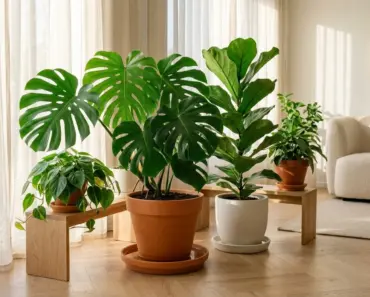
Imagine a vine that practically glows through the hottest stretch of summer, producing trumpet-shaped blooms that seem to laugh at the sun. That is exactly what mandevilla delivers for patio gardeners who refuse to let their container displays wilt during a heatwave. This tropical native thrives when temperatures climb and rewards you with flowers that draw hummingbirds and butterflies to your doorstep. But it is not the only option. A handful of other container plants share this same heat-loving spirit, each bringing something different in shape, color, and form.
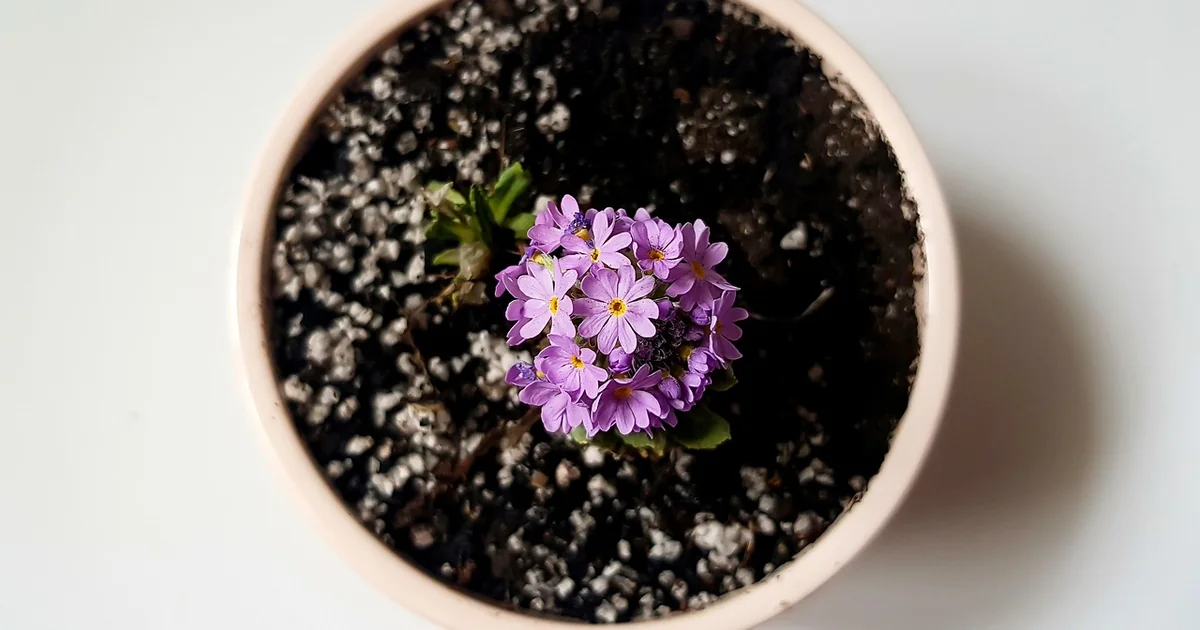
Why Mandevilla Is Perfect for Hot Summers
Mandevilla comes from warm regions where sun and humidity are the norm rather than the exception. Unlike many container plants that stop producing flowers once the mercury rises past 90 degrees, this vine keeps going. In fact, mandevilla will not bloom without some heat. A cool, cloudy summer means fewer flowers, while a hot one brings an abundance of color. This makes it an ideal choice for gardeners in southern climates or anyone experiencing a particularly warm season.
High humidity does not bother mandevilla either. While some plants develop mold or droop when the air feels thick, mandevilla accepts it as part of its natural environment. That resilience is exactly what you want when building a container garden that must survive a heatwave without constant attention.
What Colors Do Mandevilla Flowers Come In?
The blossoms of mandevilla are shaped like small trumpets and measure about two to four inches across. Depending on the variety you choose, the flowers appear in shades of red, pink, or white. Some cultivars produce deep crimson blooms that stand out against the glossy green leaves. Others offer soft blush tones that feel more subtle and romantic. White-flowered varieties create a crisp, clean look that pairs well with almost any other container plant.
These colors do not fade quickly in strong sunlight the way some annuals do. Instead, they hold their intensity throughout the hottest part of the day. That staying power is one reason mandevilla feels so reliable as a patio centerpiece.
How Do You Plant Mandevilla in a Container?
Getting the planting details right makes a big difference in how well mandevilla performs. The container you choose should be at least 12 inches wide. That width gives the roots enough room to spread without becoming cramped. A pot that is too small will restrict growth and reduce the number of flowers the plant produces.
The pot must also have drainage holes at the bottom. Mandevilla does not tolerate soggy roots, and standing water can lead to rot. Place the container on a saucer only if you are willing to empty it after heavy rain or watering. A trellis inserted at planting time gives the vine something to climb. You do not need to tie the stems. Simply wrap them around the trellis, and the plant will take over from there.
What if I do not have a trellis?
Mandevilla can still grow in a container without a trellis, but it will bush out rather than climb. The stems will spill over the edges of the pot, creating a trailing effect. This works fine if you prefer a mounded shape. Just know that the plant will take up more horizontal space without vertical support.
What Kind of Soil Does Mandevilla Need?
Soil quality matters more for container plants than for those planted in the ground because the roots cannot reach beyond the pot to find better conditions. Mandevilla thrives in a potting mix that drains quickly. Regular potting soil holds too much moisture for this plant’s liking.
The fix is simple. Mix in perlite, coarse sand, or fine grit to improve drainage. One common recipe combines two parts standard container soil with one part sand and one part compost. Another option is to use a commercial mix designed for cacti and succulents, which already has the gritty texture mandevilla prefers. Either approach gives the roots the air circulation they need while keeping enough moisture for healthy growth.
Amazon US Verified
Organic Perlite Horticultural Soil Conditioner
Lightweight volcanic mineral that improves root aeration and prevents compaction.
Can Mandevilla Survive Winter in Cold Climates?
Mandevilla is hardy only in USDA zones 10 and 11, which means it cannot stay outdoors year-round in most of the United States. Once temperatures fall below 60 degrees Fahrenheit, the plant needs protection. That is where container planting becomes a real advantage. Because the plant lives in a pot, you can move it indoors when the weather turns cold.
Bring the container inside before nighttime temperatures dip into the 50s. Place it in a dark, frost-free area such as an unheated basement or a garage that stays above freezing. Check on the plant every few weeks. It will drop leaves and go mostly dormant, which is normal. When spring returns and the danger of frost has passed, move the pot back outside. The plant will leaf out again and begin blooming once the heat returns.
Amazon US Verified
Self-Watering Planters with Drainage Aerators
Elevated reservoir design that prevents soggy roots and ensures steady hydration.
Four More Hot Weather Potted Plants to Try
Mandevilla makes a strong case for itself, but variety keeps a patio interesting. The following four plants also handle high heat well and perform beautifully in containers.
Lantana
Lantana is a heat-loving shrub that produces clusters of tiny flowers in colors ranging from yellow and orange to pink and purple. The blooms appear continuously from late spring until the first frost. Lantana handles drought without complaint, making it a low-maintenance choice for gardeners who travel during summer. It grows well in pots of any size and attracts butterflies throughout the season. Deadheading is optional, though removing spent flower clusters can encourage even more blooms.
Portulaca
Portulaca, often called moss rose, is a low-growing succulent that thrives in full sun and heat. Its fleshy leaves store water, allowing the plant to survive dry spells that would kill less resilient annuals. The flowers come in neon shades of pink, orange, yellow, and fuchsia. They open in full sunlight and close at night or on cloudy days. Portulaca works best as a spiller plant along the edges of a mixed container or on its own in a shallow bowl planter.
Bougainvillea
Bougainvillea is a tropical vine that rivals mandevilla in its love of heat. The colorful bracts that surround the tiny white flowers come in purple, magenta, orange, and red. Bougainvillea blooms best when it experiences some stress from dry soil and intense sun, so do not overwater it. The plant grows quickly in a large container with a trellis or obelisk for support. Like mandevilla, bougainvillea must be moved indoors for winter in most climates.
You may also enjoy reading: Cleome Spider Flowers: Grow and Care Guide.
Vinca
Annual vinca, also known as Madagascar periwinkle, is one of the most dependable flowering plants for hot, humid summers. Its five-petaled blooms appear in pink, white, red, or lavender shades, and the glossy evergreen foliage stays clean and mildew-free even in wet weather. Vinca does not require deadheading and continues blooming regardless of how high the temperature climbs. It fills pots with upright growth and pairs nicely with trailing plants like portulaca.
How Container Planting Protects Plants from Temperature Swings
One advantage all five of these plants share is their suitability for container growing. A pot gives you control over soil quality, drainage, and sun exposure in a way that garden beds cannot match. But the biggest benefit is mobility. When a cold snap threatens, you can move the containers to a sheltered spot or bring them indoors entirely.
Containers also warm up faster than ground soil in spring. That means you can place your hot weather potted plants outside earlier and get a head start on the growing season. On the other end of the year, bringing the pots inside extends the life of tender perennials like mandevilla and bougainvillea by months. A little planning around container placement pays off with years of repeated blooms.
The Role of Well-Drained Soil in Keeping Plants Healthy
Good drainage matters for every plant on this list, but it becomes critical when temperatures rise. Heat stresses the roots, and waterlogged soil makes that stress worse by limiting oxygen. A potting mix that drains quickly allows the roots to breathe. It also prevents the buildup of soluble salts that can accumulate from frequent summer watering.
Adding perlite, sand, or grit to standard potting soil creates the loose texture that heat-loving plants prefer. For portulaca and bougainvillea, which come from naturally dry environments, the drainage requirement is even more important. A mix that stays wet for days will damage their roots faster than a missed watering ever could.
Amazon US Verified
Digital 3-in-1 Soil Moisture & pH Meter
Accurate probe to test deep root zone moisture and prevent accidental overwatering.
Why Pollinators Flock to These Bright Blooms
The vivid flowers of mandevilla, lantana, and bougainvillea do more than please the human eye. They also attract a steady stream of pollinators to your patio. Butterflies land on lantana’s flat flower clusters to sip nectar. Hummingbirds visit mandevilla’s trumpet-shaped blooms, hovering in place while they feed. Bees work the small flowers of vinca and portulaca throughout the day.
A patio filled with hot weather potted plants becomes a small ecosystem. The presence of pollinators improves fruit set in nearby vegetable plants and adds a layer of activity that makes outdoor spaces feel alive. Choosing heat-tolerant plants that bloom heavily ensures this activity continues through the hottest weeks of summer when many native flowers have already faded.
Frequently Asked Questions
How often should I water potted plants like mandevilla during a heatwave?
Check the soil moisture every day when temperatures stay above 90 degrees. Stick your finger about an inch into the potting mix. If it feels dry at that depth, water thoroughly until excess runs out of the drainage holes. During extreme heat, you may need to water daily, especially for plants in smaller pots or those in full sun all day.
Can I grow bougainvillea and mandevilla in the same container?
It is possible but not ideal. Both plants grow vigorously and need root space to perform well. A single 14-inch pot can handle only one of them on its own. If you want to combine them, use a very large container at least 20 inches wide and be prepared to prune both vines regularly to prevent crowding.
Which of these plants is the most drought-tolerant for a hot, dry patio?
Portulaca requires the least water of the five. Its succulent leaves store moisture so effectively that the plant can survive several days without watering even in extreme heat. Bougainvillea also handles dry conditions well, though it needs more water than portulaca. Both are excellent choices if you tend to forget watering during busy summer weeks.
Five dependable plants give you plenty of room to experiment with color, texture, and form on your patio this summer. Mandevilla delivers vertical interest and pollinator appeal. Lantana offers continuous clusters of bright flowers. Portulaca spills over pot edges in neon shades. Bougainvillea brings a touch of the tropics. Vinca stays neat and blooms without fuss. Each one proves that hot weather potted plants do not have to struggle through July and August. With the right pot, soil, and a sunny spot, they will thrive when temperatures soar.
As an Amazon Associate, azuloz.com earns from qualifying purchases.