Why is pine bark better for plant health than gravel?
Gravel traps heat and offers no biological value
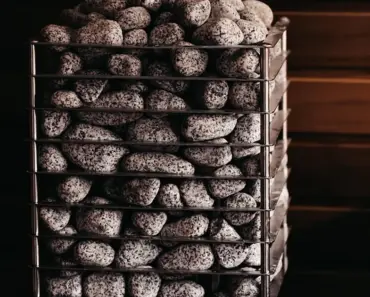
Walk across a gravel path on a hot summer afternoon. You feel the heat radiating upward. That same heat bakes the roots of any plants growing nearby. Many popular landscape plants prefer cool, consistent soil temperatures. Gravel creates a stressful environment for them. It does not decompose. It does not feed earthworms or microbes. It just sits there, offering structure but no life.
Pine bark actively enriches the soil
Pine bark works in the opposite way. As it settles around your plants, it begins a slow transformation. Microorganisms in the soil break down the bark. This process releases organic matter back into the earth. The result is richer, more active soil that supports stronger root systems. This is the fundamental reason to choose pine bark as your weed resistant mulch. It turns your mulch layer into a living part of your garden ecosystem.
How does pine bark control weeds?
A natural light barrier
Weed seeds need light to germinate. When you spread a thick layer of pine bark, you cut off that light supply completely. The bark pieces interlock to form a dense mat. This mat smothers young weed seedlings before they can break the surface. Unlike landscape fabric, which can tear and expose soil, pine bark maintains its coverage naturally as it settles.
Weed control without chemicals
This natural blocking action means you can reduce your reliance on herbicides. Many gardeners want to avoid spraying chemicals around their flowers or vegetables. Pine bark gives you a physical barrier that does the job safely. It stops weeds while allowing air and moisture to reach the soil. Check your beds once a week and pull the few weeds that manage to take root before they establish themselves.
What makes pine bark more cost-effective than other mulches?
Lower upfront cost and less frequent replacement
Garden centers stock many types of organic mulch. Cedar mulch has a pleasant smell and a reputation for durability. But it comes with a higher price tag. Pine bark is often nearly a dollar less per cubic foot. When you are covering a large bed, that difference adds up quickly. And because pine bark settles slower than mixed hardwood mulches, you do not need to buy as much every year to maintain the look.
Savings on watering and fertilizer
Pine bark pays for itself in other ways over time. It retains moisture effectively, which means you run your sprinklers less often. It also releases nutrients into the soil as it breaks down. This reduces the amount of fertilizer you need to apply to keep your plants healthy. The savings on your water bill and fertilizer costs make pine bark an economical long-term choice.
How does pine bark improve water management?
Reducing watering frequency
Water is a precious resource in many regions. Gravel sheds water. It runs off the surface and evaporates quickly under the sun. Pine bark acts like a sponge. It soaks up rainfall or irrigation water. Then it releases that moisture slowly into the soil below. This keeps plant roots consistently hydrated without the need for daily watering.
Keeping the ground cool during heat waves
Summer temperatures stress plants as much as they stress people. Bare soil or gravel beds can reach scorching temperatures. Pine bark insulates the ground. It shades the soil surface from direct sunlight. Studies measuring soil temperature under different mulches find that organic materials like pine bark keep roots significantly cooler. Less heat stress means healthier growth and better blooms.
The natural acidity of pine bark benefits acid-loving plants
Perfect for azaleas, blueberries, and camellias
Some of the most beautiful garden plants require acidic soil to thrive. Azaleas, blueberries, camellias, and rhododendrons all prefer a pH between 4.5 and 5.5. If your native soil is alkaline or neutral, these plants struggle. They develop yellow leaves and stunted growth. Pine bark mulch naturally lowers soil pH as it decomposes. It creates the acidic conditions these plants love.
How to apply pine bark around acid-loving plants
Spread a 2 to 3 inch layer of pine bark around the base of your acid-loving plants. Keep the mulch a few inches away from the trunk or stem to prevent rot. As the bark breaks down over months, it slowly acidifies the root zone. This gradual change is safer and more effective than trying to adjust pH with chemical amendments alone. Your plants will reward you with deep green leaves and abundant flowers or fruit.
You may also enjoy reading: 7 NatPat Mosquito Repellent Stickers for Bug-Free Play.
Pine bark lighter weight simplifies application
Avoiding back strain in the garden
Bagged gravel is heavy. Hauling it from a truck to a flower bed is a workout most gardeners would rather skip. Pine bark is much lighter per cubic foot. Bagging, carrying, and spreading it puts far less strain on your back and knees. This makes it an excellent choice for older gardeners or anyone with physical limitations.
Easier to transport and spread
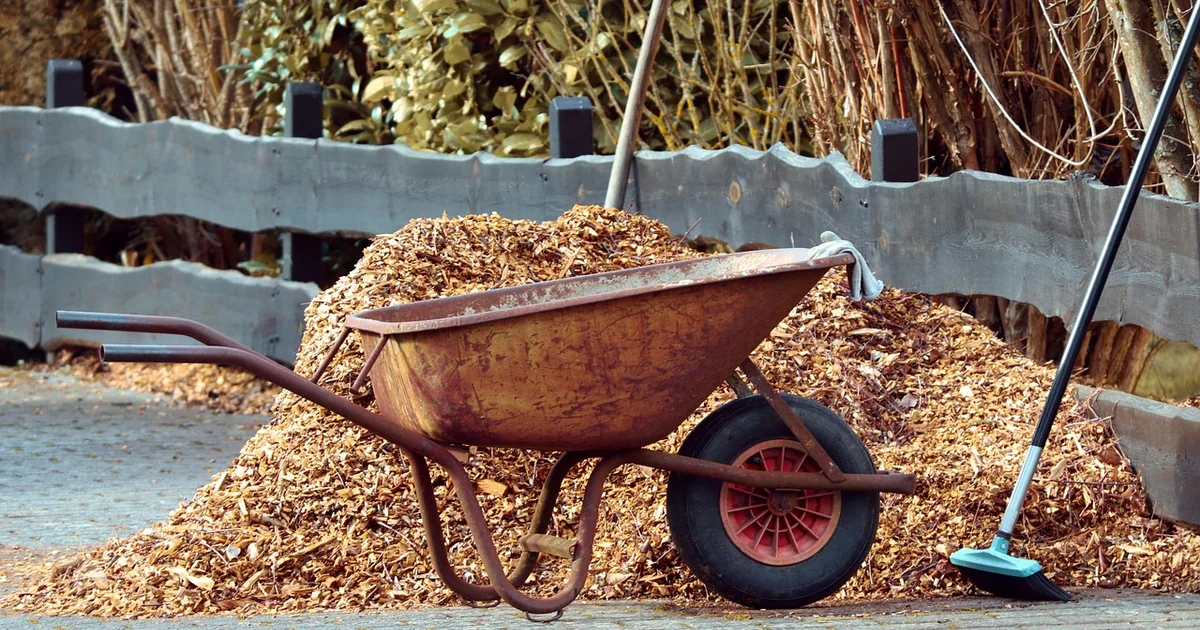
You can buy pine bark in bags or have it delivered in bulk. Its light weight means you can move it around your property with a wheelbarrow or even a sturdy tarp. Spreading it by hand or with a rake takes minutes, not hours. Compare that to gravel, which requires shoveling heavy stones one scoop at a time. The time and effort you save with pine bark is significant.
Unlike gravel, pine bark actively improves soil structure over time
Building healthy soil from the top down
Gravel exists in its own world. It never changes. It never benefits the soil beneath it. Pine bark is the opposite. It slows down the soil. It creates a better environment for earthworms. These worms tunnel through the bark and soil, mixing organic matter deeper. This process improves aeration and drainage over the long term.
Less frequent replenishing than other organic mulches
Some mulches break down too quickly. You have to reapply them every season to keep the bed looking good and suppressing weeds. Pine bark has a slower decomposition rate. It settles slower than mixed hardwood mulches. This means you do not have to buy and spread new mulch as often. A yearly top-up in spring is usually enough to maintain a 2 to 3 inch layer.
Frequently Asked Questions
How often does pine bark mulch need to be replenished compared to gravel?
Gravel does not decompose, so it technically never needs replenishing for depth. However, it accumulates debris and dirt over time. Pine bark does decompose slowly, which is beneficial for the soil. You should plan to top-dress pine bark beds once a year to maintain a consistent 2 to 3 inch depth for effective weed suppression.
What depth of pine bark is needed to effectively block weed growth?
For reliable weed control, you need a layer of pine bark that is at least 2 inches deep. A 3 inch layer is even better for stubborn perennial weeds. If the layer is too shallow, light can reach weed seeds and spur germination. Measure your current depth before adding fresh mulch each spring.
Does pine bark mulch attract termites or other pests to flower beds?
No, pine bark mulch is not known to attract termites when used properly in garden beds. Termites prefer moist, decaying wood, but bark mulch is typically kept away from house foundations. Keep the mulch layer 6 to 12 inches away from your home siding. This practice prevents any moisture bridging that could invite pests inside.