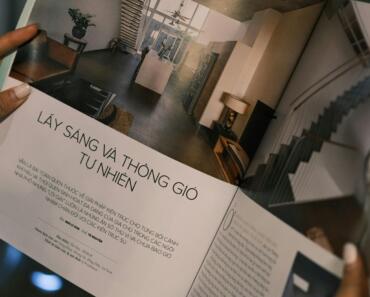
New homes promise modern elegance, but many buyers discover features that spark intense debate. Modern house trends often prioritize aesthetics over safety and everyday function, leading to strong negative reactions from both homeowners and critics. Whether you are shopping for a newly built property or planning a renovation, understanding these home design controversies helps you make informed decisions and avoid buyer frustrations tied to new construction issues.
1. The Vanishing Stair Banister
A crisp, open staircase looks stunning in a showroom, but removing banisters creates safety hazards and often violates building codes. This is one of the most debated controversial home design trends because it prioritizes aesthetics over everyday function. Eliminating railings is a popular look, yet it is heavily criticized for the safety risks it poses to children, elderly family members, and even pets. Building codes typically require railings on stairs and landings, so skipping this feature can cause issues when selling your home later.
Safety and Legal Risks
Before you commit to this sleek style, check your local staircase safety codes. Many areas enforce strict handrail requirements for any stairway with more than a few steps. An open staircase without support can lead to serious falls, especially in a busy household. It is a practical choice to keep your family safe and your property compliant.
Glass Railing Downsides
If you love the see-through look, glass railings are a common alternative. However, they come with their own challenges. Glass railings on stairs or decks get dirty easily and are a pain to install. You will need to clean them frequently to maintain clarity, and the installation process often requires professional help, adding to the cost. For a low-maintenance, welcoming home, a traditional handrail is often the more sensible option. Understanding these stair design controversies helps you balance style with real-world living.
2. Open Concept Bathrooms
An open bathroom may invite natural light and a spa-like feel, but many users feel a primal panic from having no privacy. These controversial home design trends expose users to the rest of the home, often blurring the line between private space and living area. The lack of privacy triggers discomfort and practical concerns, such as the worry about sound, smell, or being seen during use. This is one of the most debated bathroom privacy trends in modern design, and the psychological impact is significant.
The wet room controversy and exposed toilet design often fuel the debate, as many people find the idea of an open shower debate unsettling. Marketability concerns are also real, as most buyers prefer enclosed bathrooms. Home resale privacy issues can make an open bathroom a tough sell, potentially lowering the property’s value. While the concept looks stunning in photos, the everyday reality of using a bathroom without walls can feel awkward and impractical. If you love the look but value your privacy, consider a compromise: use frosted glass or partial walls to maintain a light-filled space without sacrificing the sense of security most people need.
3. Missing Bathroom Doors in the Master Suite
Removing the door between the main bedroom and main bathroom is meant to create a seamless suite, but it often becomes an annoying trend in recent homes. Yes, it looks sleek in photos, but in daily life it compromises noise and odor control in ways that many people find uncomfortable. If you are exploring controversial home design trends, this one might stop you in your tracks. The lack of a simple partition makes it hard to use the bathroom without disturbing a sleeping partner, and it offers no privacy for guests who see the space during a tour.
Why Builders Omit Doors – In many new builds, leaving out the door is a style choice tied to master suite layout trends. It saves a few dollars and makes the room feel larger, but it ignores how most families actually live. If you already own a home with a bathroom door omitted, you are not stuck with the openness. DIY Fix Options include installing a pocket door, a barn door, or a simple curtain track. These post‑move‑in modifications can restore privacy in primary bedroom without a full renovation. The key is to plan carefully: measure the opening, choose a low‑maintenance material, and hire a handyman if the task feels beyond your skill level. This small change makes a big difference in comfort and practicality.
4. Storage Shortages and Excessive Bathrooms
One of the more practical controversial home design trends is the sacrifice of storage space in favor of extra bathrooms. Modern floor plans often cut back on closets and pantry space, leaving families scrambling for places to put everyday items. For example, one homeowner moved into a brand‑new house only to find a single storage closet upstairs. That kind of closet shortage forces you to get creative with furniture and shelves, but it rarely feels like enough. New home storage problems like this can turn a seemingly spacious layout into a frustrating puzzle. Without a dedicated place for linens, coats, or seasonal gear, your living spaces quickly feel cluttered and cramped.
At the same time, builders are padding the bathroom count—sometimes to an extreme. A five‑bedroom house with five bathrooms might sound luxurious, but it often means more cleaning burden and less usable square footage. Each extra toilet, sink, and shower demands your time and supplies, and a rarely‑used guest bath can become a dust‑collecting chore. This imbalance between excessive bathroom count and missing storage hurts room layout efficiency and long‑term satisfaction. For many families, a sensible mix of closets and bathrooms makes daily life far more comfortable than a long list of bathrooms you barely use.
5. Built‑In Fixtures: Integrated Appliances and Excessive Pot Lights
Integrated appliances promise sleek lines, and pot lights provide uniform illumination, but both trends introduce maintenance headaches and visual excess. When you choose built‑in appliances, you might love the seamless look at first. However, if that refrigerator or dishwasher ever needs repair, you face a frustrating reality: you need both a repairman and possibly a carpenter just to access the unit. This built-in appliance repair challenge adds time and cost to what should be a simple fix. Similarly, recessed lighting overkill has become a hallmark of modern design. Installing pot lights every four feet in every room creates a harsh, ridiculous look that feels more like a showroom than a welcoming home. These fixed features are difficult and expensive to change later, locking you into a style that may quickly feel dated. If you are exploring controversial home design trends, remember that custom kitchen maintenance and lighting design controversy are real concerns. A more flexible approach—using plug‑in appliances and a mix of lighting sources—keeps your home practical and easy to update. After all, home fixture limitations can turn a dream kitchen into a costly headache. For most families, a little foresight now saves a lot of frustration down the road.
6. The Agreeable Gray Takeover
Agreeable gray has become the default neutral in new homes, but its ubiquity leads many to question if it’s a safe choice or a boring cop‑out. This gray paint trend is seen everywhere in new home design, making many interiors feel surprisingly similar. While some buyers appreciate the clean, versatile backdrop, others perceive it as a builder cost‑saving move rather than a reflection of personal style. The neutral color controversy centers on whether such widespread use drains a home of its unique character. Overuse of this shade may dull a home’s personality and potentially reduce its resale appeal among buyers seeking warmth or distinction. Why do builders love it so much? Gray works with almost any finish and hides wear well, which keeps projects on budget. However, as a homeowner, you might prefer something more expressive. Simple alternatives like warm greige, soft beige, or creamy white offer similar versatility without feeling like a builder default color. This debate around personal style versus trends makes it one of the most recognized controversial home design trends in recent years. Before painting every wall agreeable gray, consider how your color choice reflects your personality while still keeping home resale color preferences in mind.
Lesetipp: In unserem Beitrag 5 Bedroom Styles Designers Say Are Falling Out of Favor finden Sie weitere praktische Anregungen.
7. Front‑to‑Back Material Inconsistency
This list of controversial home design trends would not be complete without addressing what is happening around the back of the house. High‑end communities often have beautiful stone and brick fronts but cheap vinyl siding on the back of homes. It can feel deceptive when builders spend heavily on street‑facing curb appeal while quietly cutting corners on the rear facade. This disparity shortchanges the overall quality and integrity of the structure.
These exterior finish disparities directly affect long‑term maintenance and durability. The materials on the sides and back of your home face the same weather as the front, yet they are often much less robust. Vinyl siding criticism is common because it can crack, warp, or fade faster than stone or brick, eventually raising upkeep costs. A simple, actionable step is to walk around the entire property before making an offer. Insist that your home inspection includes a thorough check of every exterior surface for consistency. If you are planning a new build, ask your builder directly about matching materials on all elevations to avoid future surprises.
Frequently Asked Questions
How can I avoid ending up with a home that has these annoying features?
Focus on the basics during your house search: a sensible floor plan, separate rooms for privacy, and traditional fixtures that are easy to repair. Ask your agent to highlight any controversial home design trends in the listing, like an open-concept bathroom or an integrated appliance that can’t be removed. A pre-purchase inspection by a qualified home inspector will catch hidden problems tied to these trends, so you can decide if the house is right for your family.
Are there any legitimate benefits to open concept bathrooms or integrated appliances?
Open concept bathrooms can make a small master suite feel more spacious and airy, which appeals to some homeowners. Integrated appliances, such as a refrigerator hidden behind cabinetry, create a seamless, minimalist look that many find visually clean. However, these trends often sacrifice privacy and easy maintenance, so weigh the aesthetic gain against the practical downsides for your daily life.
How do these trends affect the long-term value of my home?
Highly controversial home design trends can narrow your pool of future buyers, which may lower resale value. Features like a bedroom without a door to the bathroom or an appliance that can’t be replaced without custom work often feel like a hassle to a typical family. Sticking with timeless, flexible layouts protects your home’s appeal and makes it easier to sell when the time comes.