How Can You Make Your Patio Feel Cohesive with Your Indoor Style?
1. Transition Styles from the Inside Out
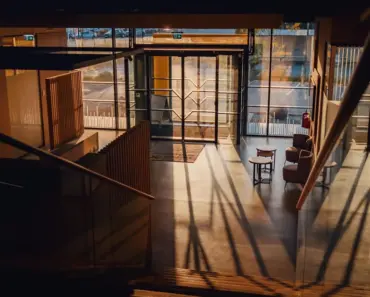
Your patio should feel like a natural extension of your home, not a disconnected afterthought. Susan McCurry, director of outdoor furnishings for Father Nature, suggests transitioning styles and colors from the interior to the patio. This means looking at the wood tones, upholstery colors, and decorative accents you already use indoors and finding ways to echo them outside. When you mirror the dining room’s darker-hued upholstery on the patio, the two spaces begin to flow together seamlessly. A floor-to-ceiling folding glass door can amplify this effect, making the transition almost invisible.
2. Mix Materials for Depth and Character
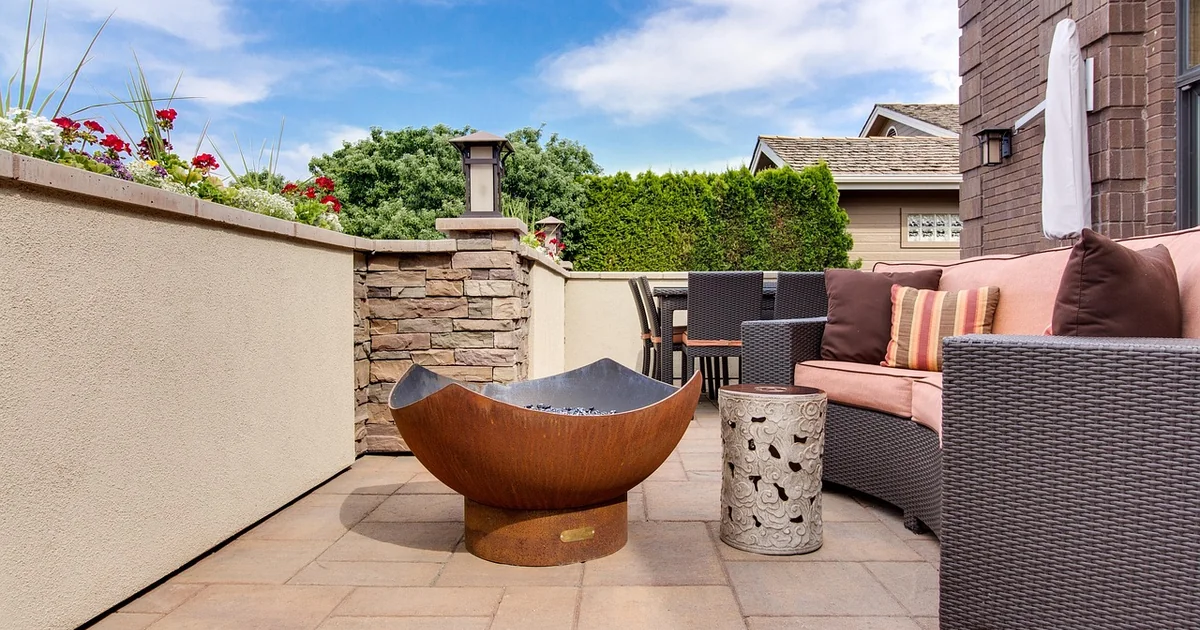
Uniform furniture sets can make a patio feel flat and impersonal. Interior designer Leah O’Connell recommends mixing materials such as wood, rattan, metal, and stone for outdoor spaces. The beauty of a well-designed patio comes from the contrast between a ceramic pot, a wooden table, and rattan seating. Varying textures, heights, and colors adds visual interest that a single material cannot achieve. In one of O’Connell’s projects, she paired rattan chairs with a gray wood table and a ceramic planter filled with bright blooms to create a layered, lived-in look.
3. Avoid the Matching Furniture Set Trap
Leah O’Connell advises against purchasing an entire furniture set from a showroom. When every piece matches perfectly, the space lacks the character that comes from thoughtful curation. Instead, choose individual items that complement each other without being identical. A metal coffee table can sit beside a rattan sofa, and a stone side table can anchor a grouping of upholstered chairs. This approach gives your patio a collected-over-time feel that is far more inviting than a catalog spread.
What Is a Simple Way to Refresh Old Metal Patio Furniture?
4. Apply a Fresh Powder-Coat Finish
Vintage metal furniture often has intricate shapes and charming details that modern pieces lack. If you have old wrought-iron chairs or a rusty table, do not discard them. O’Connell suggests updating vintage metal furniture with a fresh powder-coat finish. This process involves applying a dry powder electrostatically and then curing it under heat, which creates a durable, smooth surface that resists chipping and fading. A powder-coat finish can make a worn-out piece look brand new while preserving the original design that drew you to it in the first place.
How Can Lighting Double as Décor on a Patio?
5. Install Large Pendants and Sconces
Lighting fixtures on a patio do more than illuminate the space after dark. Monique Miller, creative director and founder of Calimia Home, advocates using large pendants over dining areas and sconces flanking doorways for lighting. These fixtures become sculptural elements that draw the eye upward and define the room’s boundaries. A woven pendant in natural fiber adds warmth, while a sleek metal sconce introduces a modern edge. Outdoor lamps that mimic their surroundings, such as stone-based designs, can also offer a touch of unexpected luxury during the day.
What Is an Inexpensive Trick to Customize Patio Furniture?
6. Reupholster with Contrast Welting
Replacing an entire furniture set is expensive, but reupholstering gives you a fresh look at a fraction of the cost. O’Connell says reupholstering patio furniture with fabric like denim blue Sunbrella and a navy contrast welt is an inexpensive way to make furniture look custom. The contrast welt, a thin cord covered in fabric that is sewn into the seams, adds a tailored detail that elevates a simple cushion. You can choose a bold color for the welt, such as yellow or coral, to create a playful accent against a neutral base fabric.
7. Choose Solution-Dyed Acrylic Fabrics
When selecting fabrics for outdoor cushions, durability matters as much as appearance. O’Connell prefers solution-dyed acrylic for floral outdoor fabrics as they stand up best to the elements. Unlike printed fabrics where the color sits on the surface, solution-dyed fibers have pigment embedded throughout the thread. This means the color will not fade, bleed, or wash out even after seasons of sun and rain. Florals on a tablecloth or chair cushion become a long-lasting investment rather than a seasonal decoration.
How Can You Add Color to a Neutral Patio Without Replacing Furniture?
8. Layer Pillows and Lumbar Cushions
If your larger furniture pieces are neutral, pillows are the easiest way to inject personality. McCurry suggests using pillows for sofas and adding lumbar pillows to lounge chairs to inject vibrancy on larger patios. A sofa with beige cushions can be transformed with a mix of indigo, terracotta, and mustard throw pillows. Lumbar pillows provide extra back support for lounge chairs while introducing a contrasting color or pattern. Swapping covers seasonally keeps the space feeling fresh without buying new furniture.
9. Incorporate Teak for Natural Warmth
Teak brings a warmth that synthetic materials cannot replicate. Miller states that teak is timeless for outdoor seating due to its natural warmth and patina development. Over time, teak weathers from a golden brown to a soft silver-gray, which adds character and a sense of age to the space. Teak chairs with creamy white accents and slim silhouettes can anchor a dining area without overwhelming it. The natural oils in teak also make it resistant to rot and insects, so it holds up well in humid or rainy climates.
10. Add Upholstered Swivel Chairs
Seating that moves with you changes how you use a patio. McCurry recommends upholstered swivel chairs for patios because they are comfortable, soften the space, and allow easy communication. Guests can turn to face the conversation without scooting furniture around. An ideal layout places four swivel chairs around a coffee table, which encourages drinks and conversation to flow naturally. The upholstered back and seat also add a layer of softness that complements harder materials like metal or stone.
You may also enjoy reading: How Long Potatoes Take to Grow and What Slows Them.
11. Bring Life with Potted Plants
Plants are the most direct way to make a patio feel alive. Potted plants blend with the environment and bring the space to life on patios. Large ceramic urns with tall grasses create vertical interest, while low bowls of succulents soften the edges of a dining table. Mixing different pot materials, such as terracotta, glazed ceramic, and woven baskets, adds another layer of texture. Choose plants that thrive in your climate zone so they require minimal maintenance and stay vibrant throughout the season.
12. Use Outdoor-Friendly Velvet Pillows with Seasonal Covers
Velvet may seem like an indoor-only fabric, but modern outdoor velvets are engineered to resist moisture and UV rays. Using outdoor-friendly velvet pillows on sofas and lumbar pillows on lounge chairs adds a touch of luxury that is unexpected on a patio. The soft texture invites people to settle in and stay longer. Swapping the covers seasonally, for example using warm earth tones in autumn and crisp whites in summer, keeps the look current without requiring a full furniture overhaul.
What Is the Best Lighting Solution for Patios Without Outlets?
13. Use Cordless Zafferano Lamps and Candlelight
Not every patio has built-in electrical outlets, but that does not mean you have to dine in the dark. O’Connell recommends cordless Zafferano lamps and candlelight via hurricanes or votives for patio lighting. These portable lamps can be placed on a dining table, side table, or even on the ground to create pools of warm light. Zafferano lamps are rechargeable and come in a range of colors and sizes, so they function as both a light source and a decorative object. Layering in candlelight from hurricane lanterns or clustered votives adds a flickering, intimate glow that electric lights cannot replicate. These two sources together give you a flexible, outlet-free lighting scheme that adapts to any gathering.
Frequently Asked Questions
What is the most durable fabric for outdoor patio cushions?
Solution-dyed acrylic fabrics, such as Sunbrella, are widely considered the most durable option for outdoor cushions. The color is embedded throughout the fiber rather than printed on the surface, so it resists fading, mold, and staining far better than cotton or polyester blends. These fabrics also hold up well to repeated rain and sun exposure, making them a smart long-term investment for any patio.
How can I make a small patio feel more spacious without major renovations?
Choosing furniture with slim profiles and visible legs, such as teak chairs or metal bistro tables, keeps the sight lines open and prevents the space from feeling crowded. Using mirrors on a wall or fence can also reflect light and create the illusion of depth. Sticking to a cohesive color palette that mirrors your indoor decor helps the patio feel like a natural extension of the home rather than a cramped add-on.
Is it worth investing in cordless lamps for patios that lack electrical outlets?
Yes, cordless lamps like the Zafferano models offer a practical and stylish solution for patios without built-in power. They are rechargeable, portable, and produce warm, adjustable light that can be moved wherever it is needed. When combined with candlelight from hurricanes or votives, cordless lamps create a layered, intimate atmosphere that rivals any hardwired lighting system.
Each of these thirteen patio decor ideas draws from the experience of designers who know what works in real outdoor spaces. Whether you start with a single powder-coated chair or a full set of layered pillows, the goal is to build a patio that welcomes your family and friends for years to come.